
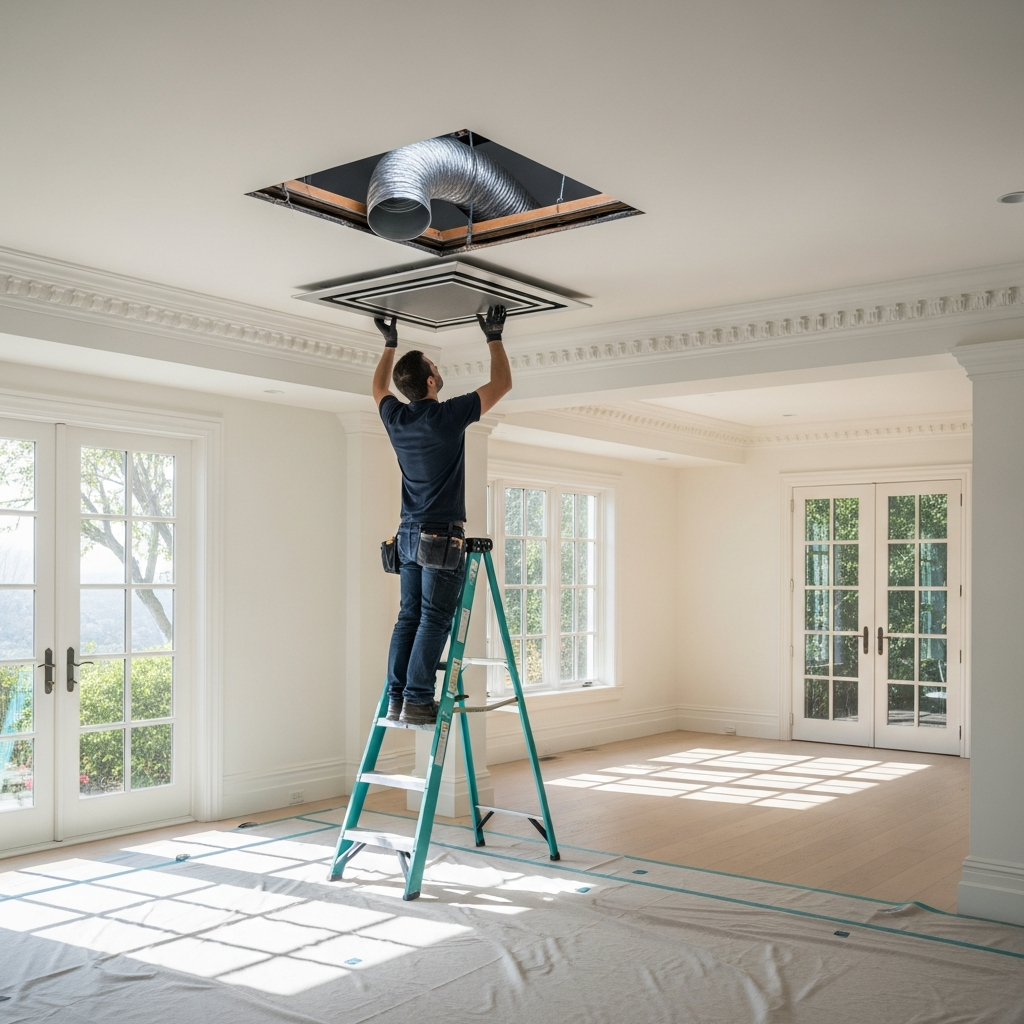
When a Beverly Hills home stops feeling as comfortable as it once did—perhaps the primary suite warms up in late afternoon, or the guest rooms are noticeably stuffier—attention often turns to the ductwork that quietly connects every lived-in space. For homeowners, the real question is not solely about numbers; it is about outcomes. What does a thoughtful upgrade deliver for day-to-day life, and how should you think about the overall investment in a way that aligns with your home’s architecture and your family’s priorities? Starting with a clear view of how residential duct systems work in our local context helps you make decisions confidently. Early in the journey, a short conversation with a specialist in duct replacement can clarify options tailored to your property’s layout, finishes, and comfort goals.
Residential ductwork is more than a series of tubes carrying tempered air. It is the circulatory system of the home, responsible for delivering comfort, ensuring healthy air exchange, and supporting quiet, steady operation. In Beverly Hills, architecture ranges from Spanish Revival estates with thick plaster walls to modernist homes with glassy pavilions and flat roofs. Each typology introduces unique routing and acoustic considerations. The most successful projects embrace those constraints, turning them into a framework for results that feel effortless the moment you step back inside.
Because every residence is unique, “what it takes” depends on careful assessment and customized design. Two neighboring homes built within the same decade can have dramatically different duct realities based on previous renovations, additions, and how the envelope performs. The point of a replacement is to harmonize the system with how the home is used today—by the people living there now—so that morning routines, late-night movies, and weekend entertaining all happen in quiet, consistent comfort.
The elements that define a residential plan
Begin with airflow needs room by room. A south-facing office with afternoon sun, a north-facing bedroom that runs cool, and a window-lined living room all want different airflow strategies. Next, consider returns. Many older systems were built with limited return capacity, which forces equipment to draw harder than it should and can make some rooms feel starved of air. Adding or resizing returns smooths system breathing, reduces noise, and supports better filtration.
Material selection aligns with the goals of each area. Flexible duct, when installed with broad curves and proper support, can deliver excellent performance and speed installation in accessible attics. Rigid metal is the go-to for long runs, tight transitions, or places where acoustics are critical—such as theaters or primary bedrooms. Hybrid systems are common, combining rigid trunks for control and short flex branches for gentle delivery.
Routing and access are the practical bookends. In single-story homes with generous attic space, new ducts can be routed with grace and minimal disturbance. In hillside residences with partial flat roofs and low mechanical cavities, careful planning and sometimes creative openings are necessary. Restoration work—patching plaster, painting, and protecting finishes—belongs squarely in the plan so the project ends looking as quiet as it sounds.
From discovery to design: how your home guides the work
A thorough discovery process sets the stage. A technician documents each register and return, maps current duct routes, measures static pressure, and listens closely as you describe rooms that are too warm, too cool, or too loud. Those lived experiences matter because they reveal what numbers alone cannot: how comfort ebbs and flows during the day and where the system fails to keep up with your routine.
Design then translates those findings into a plan with specific diameters, lengths, and materials. The aim is balanced delivery—enough airflow for every room without creating a noisy rush or a draft. In many Beverly Hills homes, designers will also account for thick plaster ceilings, built-in cabinetry, and unique architectural features so new ducts travel cleanly and discreetly. Good design does not fight the house; it partners with it.
Once installation begins, craftsmanship takes the lead. Gentle radius turns, well-supported spans, and tightly sealed joints form the backbone of a high-performing system. Each boot is set with an eye toward final register appearance and throw. Plenums and trunks are built or set to minimize turbulence. Insulation is installed carefully to avoid compression that would reduce its effectiveness. The difference shows up later not just in readings on a gauge but in how the home feels on a Saturday afternoon when doors open to the garden and friends gather.
Comfort, quiet, and clean air: the residential wish list
Homeowners usually start with comfort, but they quickly appreciate secondary benefits. Quieter operation can make bedrooms and media rooms feel truly serene. Cleaner air—achieved by tight sealing and correct return strategy—helps reduce dust settling on surfaces and supports households with sensitivities. And because distribution finally matches the equipment’s intent, the system tends to run in a calmer rhythm instead of short, noisy bursts.
Zoning and future readiness also fit within residential priorities. If your lifestyle would benefit from treating guest suites differently from everyday spaces, replacing ducts is the best moment to prepare for that. Properly sized trunks and thoughtful branch organization make later add-ons straightforward. If smart controls or advanced filtration are in the future, the backbone you install now sets the stage.
In a city known for design, aesthetics matter even when the work is hidden. Register placement, grille style, and how transitions are concealed all add up to a finished experience that looks purposeful and clean. A well-executed project respects both the view line and the airflow line.
Living through the project without turning life upside down
Replacing ducts does not have to mean chaos. With a clear schedule, daily communication, and robust protection of floors and furnishings, most families remain at home throughout. Sensitive rooms can be sequenced to minimize impact. When openings are required, they are planned, contained, and restored with professional patch and paint so that, once complete, the home looks undisturbed.
For estates with staff areas or multiple structures, coordination extends to gates, deliveries, and parking. Experienced teams move discreetly, protect landscaping and hardscapes, and leave each day tidied so you are never stepping over tools to make breakfast. Small courtesies during staging make a big difference in how the week feels.
Commissioning: where promises become comfort
No residential project should end without verification. Commissioning confirms airflow by room, measures static pressure, and checks temperature delivery so the system performs as designed. If a room reads light, dampers are adjusted. If a transition creates turbulence, a small routing change can smooth it. These last steps are how “good on paper” becomes “great in the living room.”
Documentation also matters. Photos of routing before ceilings are closed, notes on damper positions, and a clear diagram of the new layout help any future maintenance proceed quickly and gently. Your investment is more than materials and labor—it is the confidence that comes from a system you understand.
Choosing the right partner for a residential project
Look for a team with deep experience across Beverly Hills home styles and a communication style that makes complex topics feel approachable. A strong proposal will describe not just what will be installed but why, connecting choices to your goals: quieter bedrooms, a fresher-smelling great room, or a balanced temperature at the top of a sunny staircase. When you can see the logic, you can trust the result.
Equally important is respect for the home. Crews that protect finishes, move thoughtfully, and coordinate with painters, plaster experts, or millworkers show their professionalism in the quiet way a project proceeds. That same mindset shows up in commissioning, where attention to detail turns small adjustments into big quality-of-life improvements.
Frequently asked questions
Q: How long does residential duct replacement usually take?
A: Many projects fit into a window of a few working days, depending on access, home size, and the need for restoration of openings. Phased work is possible when households prefer to keep certain wings fully functional each day.
Q: Do new ducts change how quiet my home feels?
A: Yes. Correct sizing, gentle routing, and acoustical attention where needed often reduce background noise significantly, especially in bedrooms and media spaces. Many homeowners remark that comfort becomes something they no longer notice—because it simply works.
Q: Will I see differences in dust and freshness?
A: Proper sealing and return strategy limit infiltration of attic particulates. When paired with appropriate filtration at the equipment, homes often feel cleaner and smell fresher within days of completion.
Q: Are there special considerations for older homes?
A: Older estates with plaster, unique framing, or layered additions benefit from careful planning and restoration. The right team protects finishes, plans discreet access, and restores surfaces so the work leaves no visual footprint.
Q: Can I prepare my home to make the project smoother?
A: Clearing access routes, identifying parking or gate details, and discussing daily routines with your project lead all help. Your contractor can provide a simple checklist so the first morning starts on time and stress-free.
Q: What if I plan future upgrades like zoning or advanced filtration?
A: Share those goals now. The duct backbone can be designed to support later features gracefully, avoiding rework and ensuring new components perform to their potential.
Bring residential comfort back to center stage
Your home should feel calm, clean, and consistent from morning coffee to lights out. A thoughtful residential duct replacement aligns architecture, materials, and commissioning to deliver that feeling every day. If you are ready to explore a plan that respects your finishes and elevates comfort, connect with a Beverly Hills expert in duct replacement. From the first walkthrough to the final airflow reading, you will have a clear path to a home that supports the way you live now.