
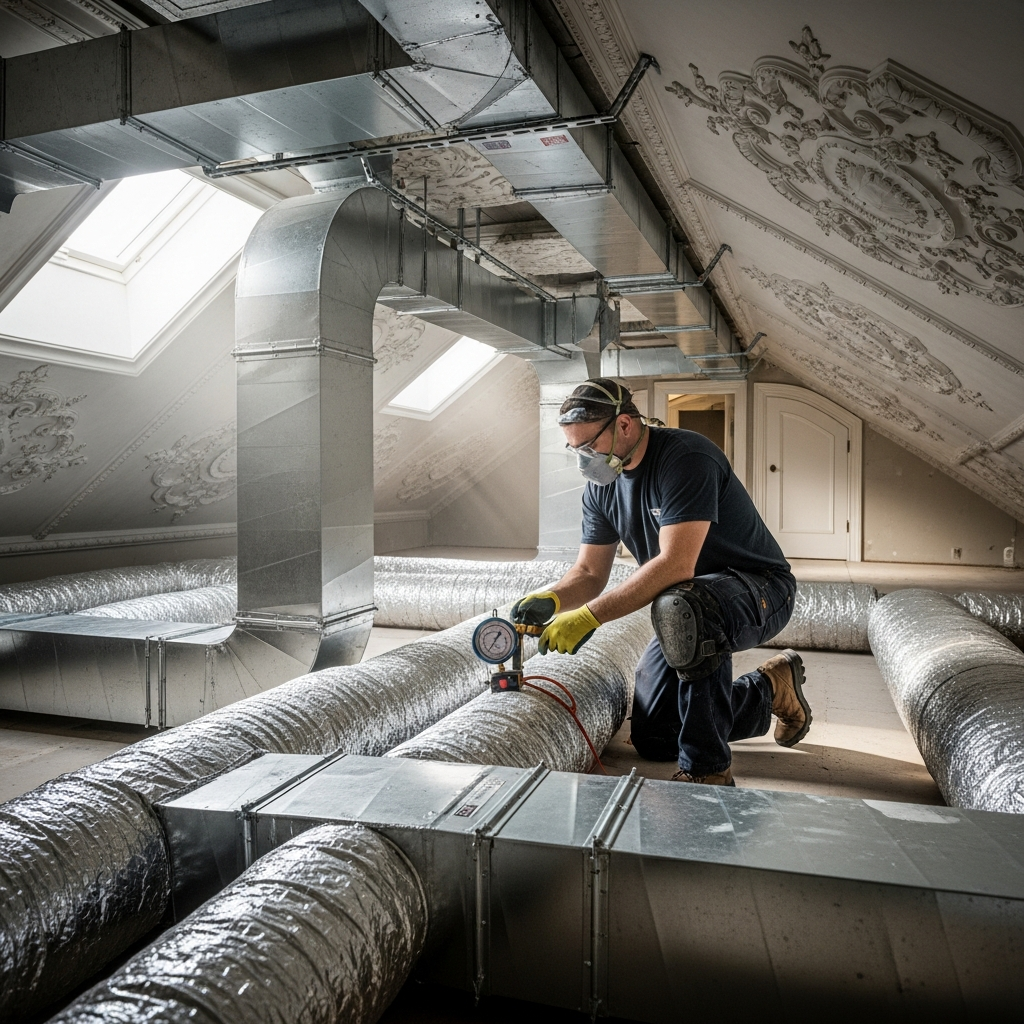
When neighbors in Beverly Hills swap stories about comfort, air quality, and how their homes feel throughout the hottest afternoons and the chilliest desert evenings, the conversation often turns toward the hidden network that makes modern living possible: the ducts. Thinking through the overall investment behind air duct replacement can feel like peering into a maze of materials, methods, and building realities unique to our hillsides and canyon homes. If you are starting to plan, one of the best first steps is understanding the factors that shape that investment and how to align them with your goals for comfort, efficiency, and peace of mind. Early in the process, it is helpful to speak with a knowledgeable local team about duct replacement approaches that respect both performance and the architecture of your home.
Unlike visible finishes you can see and touch, ducts live behind drywall and above plaster ceilings, weaving through attics, crawlspaces, and sometimes tight interstitial spaces in flat-roof mid-century designs. Because they are out of sight, the condition of a duct system can be easy to overlook until a drafty primary suite, an overly warm second-floor office, or a persistent layer of dust sends up a red flag. The right plan takes the mystery out of the project by pairing careful diagnostics with design choices that suit the character of Beverly Hills homes—from classic estates to sleek new builds.
In this community, climate and lifestyle both matter. Mild, dry seasons punctuated by short heat waves and cool winter nights create distinctive comfort patterns. Open-concept living, expansive glazing, and high ceilings influence how air moves. Home theaters, home offices, and fitness spaces introduce their own temperature and ventilation needs. The investment you make in new ducts should support all of that—delivering even temperatures, quiet operation, and air that feels fresh and clean from the foyer to the furthest guest room.
What really shapes the overall investment
The biggest driver is not a single line item but how several conditions intersect: the size and layout of the home, the current state of the ductwork, the accessibility of attics and crawlspaces, and the design and materials chosen for the replacement. In Beverly Hills, we also consider architectural sensitivity—how to work without disturbing plaster, custom millwork, built-in cabinetry, or historic finishes. Each of these considerations affects scope, which in turn influences labor time, coordination, and the depth of testing and balancing that ensures your system performs as designed.
Design is a powerful lever. An expertly designed system follows industry standards for airflow and friction rates, sizes each run properly, and ensures returns are adequate and well-located so every room can “breathe.” When returns are undersized or poorly placed, rooms get stuffy or noisy. When supplies are too small or overly long with tight bends, airflow falls short. Replacing ducts is the moment to correct those legacy issues so the equipment can finally operate within its ideal range, promoting longevity, quiet operation, and cleaner air.
Material selection also plays a role. In some homes, insulated flexible duct routed with gentle sweeps is ideal. In others, especially where long straight runs or high static pressure demand a rigid approach, sheet metal trunks with carefully sealed seams and short, optimized branches can be the right call. Duct board plenums, lined metal, and acoustical considerations in media rooms are additional options. The point is not that one material is universally superior, but that the chosen approach should match the architecture, performance goals, and maintenance preferences of the household.
The realities of access and architecture in Beverly Hills
Many Beverly Hills residences conceal tight mechanical pathways above lath-and-plaster ceilings, in low-slope attics with limited headroom, or in crawlspaces that twist around grade beams. Access conditions determine how crews stage the work, protect finishes, and sequence each step to minimize disruption. In a simple ranch with open attic space, routing new ducts can be relatively straightforward. In a hillside property where space is pinched and rooflines are complex, crews may need creative solutions and additional coordination with carpenters or finish trades to open and restore discreet access points.
Architectural stewardship is just as important as airflow math. Preserving historic crown moldings, matching paint sheens, and avoiding visible patchwork takes planning and patience. Experienced teams anticipate where dust can travel, set up containment, and clean as they go, all while documenting pathways so future maintenance remains straightforward. The investment you make includes this craftsmanship and care, as well as the behind-the-scenes coordination that keeps projects on schedule.
Homes here also frequently include additions layered over the decades. A kitchen expansion from the 1990s, a second-floor suite from the 2000s, or a converted garden-level studio can create a patchwork of duct strategies with mismatched diameters and ad-hoc returns. Replacement is your opportunity to knit those elements together, so the system behaves like a coherent whole—balanced, quiet, and responsive to today’s lifestyle.
From assessment to commissioning: the process that protects your comfort
Good outcomes begin with a thorough assessment. A technician documents the current system layout, measures static pressure, checks for leakage, evaluates insulation quality, and notes any hot or cold spots reported by the household. That information feeds into a duct design that aligns with equipment capacity and the building’s envelope. It also highlights obstacles, such as framing constraints or tight chases, that might call for creative routing.
During installation, the focus shifts to craftsmanship: running ducts with minimal kinks, using wide-radius turns, supporting long spans correctly, and sealing every joint. These details determine how quietly and efficiently your system runs. After installation, testing and balancing verify airflow room by room, adjusting dampers or boots to fine-tune delivery. Commissioning is where plans become lived comfort—when the numbers on paper translate into a primary suite that finally feels as serene at dusk as it does at noon.
Midway through planning, many homeowners appreciate a clear conversation about trade-offs. Do you want the quietest possible system in a home theater? Is your priority indoor air quality for sensitive occupants? Do you entertain frequently and need consistent comfort across open entertaining spaces? Aligning the design with those priorities ensures your ductwork serves your household elegantly. If you are exploring scope choices or phasing, a seasoned local pro can outline how each option influences performance and timeline and how it fits into a broader plan for duct replacement in a Beverly Hills setting.
Indoor air quality, sealing, and insulation
In an area where outdoor air can vary seasonally, tight, well-sealed ducts are your ally. Leaks invite attic dust, insulation fibers, and unconditioned air into the system while losing conditioned air to spaces that don’t benefit. The result is a system that works harder and delivers less. Modern sealants, mastic, and tapes designed for HVAC applications, paired with correct mechanical fasteners, create robust, durable connections. Quality insulation, properly installed and protected from compression, helps keep supply air at target temperatures as it travels through the network.
Return air deserves special attention. Too few returns, undersized returns, or returns placed where they pull air from closets or kitchens can compromise both comfort and air quality. Thoughtful return placement quiets the system while maintaining healthy air circulation. For households sensitive to allergens, filtration strategies at the equipment—paired with clean, sealed ducts—reduce particulates so indoor spaces feel and smell fresher.
Noise control is another benefit of a well-executed replacement. The hum and rush that once made late-night movie screenings distracting can fade to the background with properly sized runs, acoustical lining where appropriate, and gentle transitions into rooms. The net effect is comfort that you don’t have to think about because it simply works.
Why replacing ducts can elevate efficiency and daily living
For many, the headline benefit is reduced energy waste. Less leakage, right-sized runs, and balanced delivery mean equipment cycles more naturally and avoids struggling against high static pressure. Over time, that helps protect the life of your system while making day-to-day living more pleasant. What you feel is more important than any spec sheet: steadier temperatures, fewer drafts, cleaner surfaces, and spaces that support sleep, focus, and entertaining.
There is also a real aesthetic benefit to getting distribution right. When a formerly warm guest bedroom becomes consistently comfortable, it welcomes family and friends without fuss. When a home office avoids afternoon heat build-up, productivity comes easier. And when a primary bath clears steam quickly after a shower, mirrors stay bright and the space feels spa-calm. Ductwork, though unseen, sets the stage for these daily moments.
Another advantage is future readiness. If you plan to upgrade equipment down the road—adding zoning, variable-speed systems, or advanced filtration—starting with a robust duct backbone ensures those investments pay off. It’s similar to upgrading wiring before adding smart lighting; the infrastructure matters because it enables the features you want to enjoy later.
Coordination, scheduling, and living through the project
Every household wonders how intrusive the work will be. A thoughtful plan sets expectations early: which rooms will be touched, how protection is set up, daily start and stop times, and the sequence from demolition to reinsulation and testing. In many cases, families remain at home during the project with minor routine adjustments. Sensitive areas, such as nurseries or recording studios, can be scheduled for quieter windows. Clear daily updates maintain momentum and keep surprises at bay.
When ceilings or walls need to be opened, professional patch and paint restore finishes so the project leaves no visual trace. Trusted teams photograph cavities before closing, a courtesy that simplifies any future service. And because Beverly Hills often means tight neighbors and delicate landscaping, crews that treat access paths, driveways, gates, and hedges with respect make a noticeable difference.
A word about compliance and verification
California’s energy standards encourage duct systems that are efficient and low-leakage. While you do not need to be an expert on codes, you benefit when your contractor is. Proper documentation, testing, and verification help ensure your new ductwork not only feels great day-to-day but is also recognized as meeting modern performance expectations. That diligence supports resale conversations and provides a record of quality for the long term.
Verification goes beyond paperwork. Airflow readings, static pressure, and temperature splits indicate whether the system is operating inside healthy parameters. If the commissioning step reveals a room out of balance, small adjustments—moving a damper, modifying a boot angle, or tweaking a transition—can perfect the result. Skipping this step is like buying a tailored suit and never having it fitted; the final touches matter most.
Choosing a partner you trust
Experience with diverse Beverly Hills properties counts. A team that has worked in hillside estates, flats with mature trees crowding rooflines, and modern architectural statements will anticipate challenges and protect your time and finishes. They also know when to involve allied trades, from plaster specialists to millworkers, and how to plan staging so everything fits within your life rather than the other way around.
Communication style matters too. You want straight talk, clear explanations, and thoughtful options rather than a one-size-fits-all proposal. A good partner will walk you through alternatives, explain their design thinking, and show how each choice supports comfort, air quality, and long-term reliability. That clarity removes stress, so your attention can stay on the results you care about most.
Frequently asked questions
Q: How long does a typical duct replacement take in Beverly Hills?
A: Many projects fit comfortably into a few working days, depending on home size, access, and whether ceilings or walls need to be opened. Complex estates, tight attics, or phased work to minimize disruption can extend the schedule. The best predictor is a site visit and a clear scope agreed upon before work begins.
Q: Will I need to leave my home during the project?
A: Most households remain in place. Dust control, floor protection, and daily clean-up keep living areas comfortable. If a critical room is involved, your team can sequence the work to give you predictable windows of quiet and full access.
Q: What are the signs that my ducts are due for replacement rather than repair?
A: Persistent uneven temperatures, excessive dust, musty odors from registers, visible kinks or crushed sections, and rooms that never stabilize despite equipment checks all point toward duct issues. A thorough assessment can confirm whether strategic repairs will suffice or whether a holistic replacement will deliver better results.
Q: Can new ductwork improve indoor air quality?
A: Yes. Properly sealed and insulated ducts reduce infiltration of attic particulates, while correct return sizing and filtration strategies help keep indoor air clearer. For sensitive occupants, those improvements are often as valuable as the comfort gains.
Q: What materials are best for Beverly Hills homes?
A: The right material depends on layout, access, and performance goals. Flexible duct is excellent when installed with generous radii and support, while rigid metal shines in long or high-static runs. Hybrid systems are common, using each material where it performs best.
Q: How do I know the system is balanced correctly?
A: Commissioning includes measuring airflow at key registers and returns, verifying static pressure, and confirming that temperatures meet targets. If a room reads low, the installer can adjust dampers or transitions to fine-tune delivery until the home feels even.
Q: Will replacing ducts reduce noise?
A: Proper sizing, smooth routing, and acoustical lining where appropriate often quiet the system significantly. Many homeowners are pleasantly surprised by how unobtrusive their HVAC becomes after a thoughtful replacement.
Q: What preparation should I handle before crews arrive?
A: Clearing access paths, relocating delicate items under work zones, and confirming parking or gate instructions all help the first morning go smoothly. Your contractor will provide a simple checklist tailored to your home.
Ready for a more comfortable home
If you are weighing the benefits of upgrading your ducts, a conversation with a local expert can turn a maze of technical details into a clear, confident plan. The right partner will honor your architecture, protect your schedule, and deliver a result you feel every day—cleaner air, quieter rooms, and temperatures that hold steady. When you are ready to begin, reach out to discuss options for duct replacement that fit your home and your expectations. From the first walkthrough to the final airflow reading, you deserve a process as refined as the neighborhood you call home.