
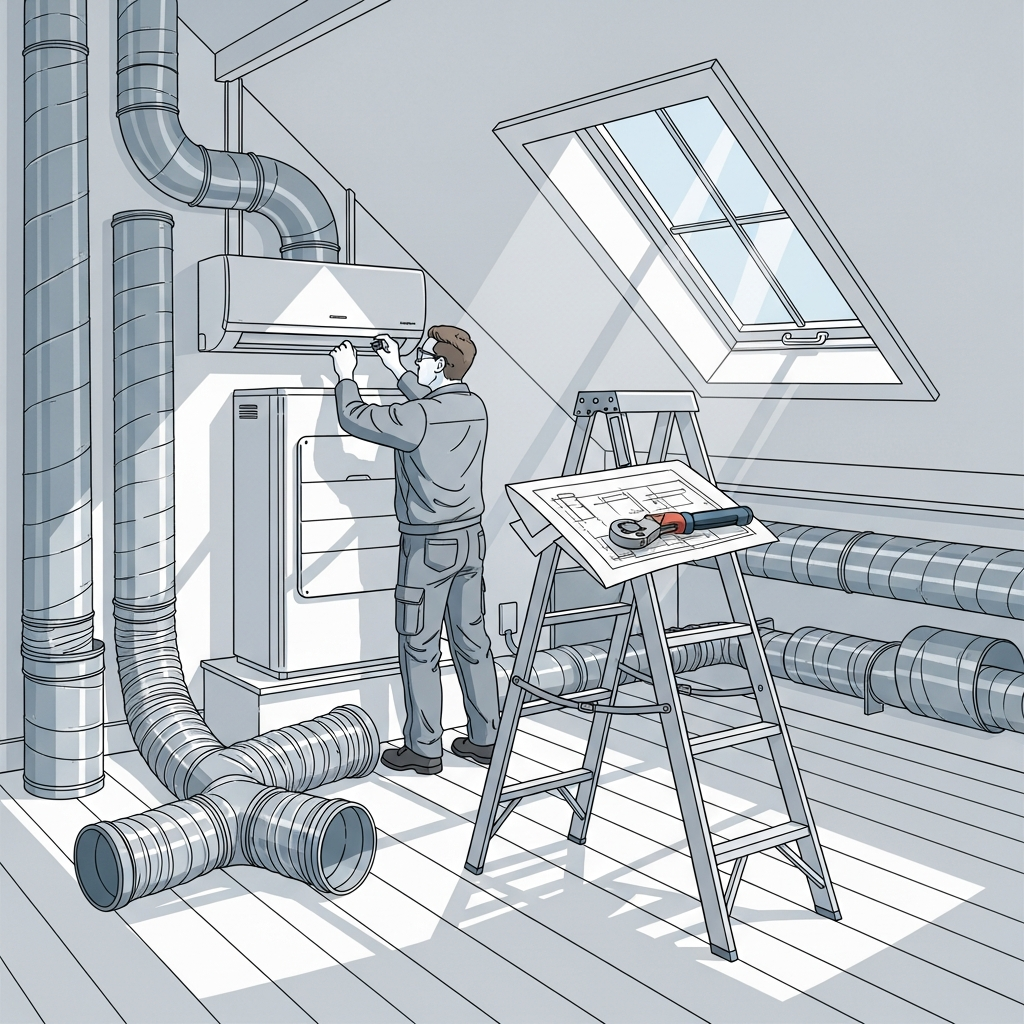
There is a unique rhythm to summers in Beverly Hills: serene mornings, streaming sunlight by midafternoon, and long, warm evenings when a perfectly balanced home feels like a private oasis. Achieving that balance starts long before a new system is switched on. Efficient air conditioning installation is equal parts design, craftsmanship, and local know-how—a carefully choreographed process that considers your home’s architecture, how you live day to day, and the neighborhood’s microclimate. As a local specialist who has helped homeowners refine comfort without excess noise or energy waste, I’ve learned that the best results happen when you focus on fundamentals: accurate sizing, clean duct design, proper airflow, meticulous commissioning, and thoughtful controls. Early planning not only leads to a quieter, more efficient system; it also preserves finishes, protects indoor air quality, and gives you long-term confidence. If you’re thinking ahead to your project, an excellent first step is to talk with a Beverly Hills team that lives and breathes air conditioning performance in homes like yours.
Start with a thorough home assessment
Every successful installation begins with an on-site evaluation that goes far beyond square footage. Window orientation, glazing type, shading from trees, ceiling height, insulation levels, and air leakage all influence the cooling load. Older homes may have charming features—arched openings, niche windows, thick plaster—that affect airflow and heat gain in specific rooms. Meanwhile, remodeled properties may carry legacy ductwork sized for a different era. A careful assessment maps these realities to design goals: even temperatures, quiet operation, healthy humidity, and a system that doesn’t intrude on the home’s aesthetic. When a proposal is rooted in real measurements and observations, the plan moves from guesswork to tailored engineering.
Correct sizing is essential
Oversized systems cycle on and off too quickly, leaving rooms with uneven temperatures and sticky humidity. Undersized systems run long and hard, struggling on hot days and wearing out sooner than they should. Accurate load calculations consider not just the hottest day of the year, but how your home gains and sheds heat throughout the day. In Beverly Hills, late afternoon solar exposure on west-facing windows and the thermal mass of stucco can be decisive. The right capacity, paired with variable-speed components when appropriate, ensures your system modulates gracefully instead of lurching from off to on.
Ductwork: the hidden highway of comfort
Even the most advanced equipment will disappoint if air can’t travel efficiently. Ducts should be sized to deliver the required airflow at reasonable static pressure, sealed to prevent leakage, and insulated where they pass through hot attics or garages. In existing homes, the supply and return layout may not match how you use rooms today. Rebalancing registers, adding return paths to closed-door bedrooms, or correcting bottlenecks can transform comfort. Because many Beverly Hills homes prize quiet, pay special attention to duct design near bedrooms and living areas; wide, smooth-turning paths reduce turbulence and noise.
Placement matters indoors and out
Outdoor condensers appreciate space and gentle breezes. Tucking them too close to a wall or hedge limits airflow and raises noise. Placing them under bedroom windows or near patios invites distraction. A thoughtful site plan hides equipment without suffocating it, and it anticipates landscaping growth over time. Indoors, air handlers and duct chases should be accessible for service but discreet in daily life. Closet air handlers need proper clearance and ventilation to avoid overheating. Rooftop units require stable mounting and careful attention to penetrations that must be watertight. The right placement boosts both efficiency and longevity.
Airflow verification is non-negotiable
Great installation teams measure, not just guess. They verify total external static pressure, confirm fan speeds, and balance supply and return flows to match design targets. That means instruments come out before and after the system is commissioned. The result is a system that breathes easily: coils transfer heat as intended, compressors aren’t overworked, and rooms get the right amount of conditioned air. If you’ve ever heard a system roar in the hallway yet felt barely a whisper in the far bedroom, you’ve experienced what happens when airflow is overlooked.
Refrigerant charge and commissioning
Commissioning is the quiet ceremony of bringing a system to life correctly. Technicians confirm that refrigerant charge is dialed in using manufacturer methods—evaluating subcooling or superheat depending on the configuration—and that sensors, safeties, and controls respond as they should. Condensate drainage is tested, pumps are primed where installed, and overflow protection is verified. Electrical connections are torqued to spec, and vibration checks are performed to keep the system quiet from day one. Proper commissioning is the difference between a system that merely runs and one that hums with efficiency and reliability.
Choosing the right equipment for your lifestyle
Some homes benefit from variable-capacity systems that ramp up or down to match demand, keeping temperatures stable and humidity under control with exceptional quiet. Others may be better served by two-stage equipment that balances performance and simplicity. Ductless solutions can shine in rooms that resist cooling, home offices over garages, or guest suites added during a remodel. Filtration and air quality accessories—such as high-MERV filters, dedicated fresh air supplies, or air cleaning technologies—should be matched to sensitivity levels in your household. The best system is the one that fits your life seamlessly, not just the one with the longest spec sheet.
Noise control: the luxury of quiet
In a neighborhood where outdoor spaces host dinner conversations and indoor rooms celebrate calm, acoustics are part of comfort. Proper line set routing, vibration isolation, and gentle duct transitions reduce mechanical noise. Thoughtful condenser placement prevents fan noise from reflecting off hard surfaces. Indoors, avoiding sharp turns and undersized ducts reduces whistling. These details create the refined soundscape you expect in a Beverly Hills home.
Integration with smart controls
Smart thermostats and home automation systems provide precise scheduling, remote access, and energy insights. When integrated properly, they do more than adjust temperature; they coordinate ventilation, humidity, and zoning strategies. During installation, the control wiring and sensor placement should be mapped to avoid interference from sunlight, drafts, or electronics. A short tutorial at handoff ensures you are comfortable with the features that matter most: vacation modes, room prioritization, and gentle setpoint changes that let efficient systems do their best work.
Respecting architecture and aesthetics
Hidden returns, discreet grilles, and carefully placed registers protect the home’s design vision. In historic properties or art-filled spaces, teams collaborate with homeowners and designers to ensure placements that enhance rather than distract. Paintable diffusers, custom grilles, and slim duct pathways can integrate comfort beautifully. The most successful projects make the technology feel invisible—what you notice is the atmosphere, not the equipment.
Permitting, verification, and peace of mind
Well-run projects move smoothly through permitting and inspections, with clear documentation and code-compliant workmanship. Pressure tests on refrigerant lines, sealed ductwork, and proper electrical labeling instill confidence. While these steps are behind the scenes, they underpin safety and long-term performance. You’ll sleep better knowing your system was installed with diligence at every turn.
Seasonal nuances unique to our area
Our microclimate shifts gently but meaningfully across the year. Spring brings pollen and plant debris that can clog outdoor coils faster than expected. Late summer afternoons add radiant heat that lingers after dusk. During these periods, an efficient system responds gracefully without thundering into action. Design for those edge cases—sun-baked rooms at the top of the stairs, a guest wing that sits idle most weeks—and your system will feel as if it anticipates your needs.
Preparing the home for installation day
A little preparation pays off. Clear access to mechanical closets, attics, or rooftops; move vehicles to free up workspace; and secure pets comfortably away from open doors. If any walls will be opened to adjust ducting, plan for light dust control and quick patching afterward. An organized day means fewer surprises and a cleaner handoff when it’s time to turn the system on.
Commissioning walkthrough: your guided tour
When installation wraps, a thorough walkthrough sets you up for success. Your installer should demonstrate filter access, thermostat features, how to recognize normal operating sounds, and when to schedule routine service. You’ll learn how to change settings gently so a variable system can modulate smoothly. Understanding your system isn’t about memorizing technical details; it’s about gaining comfortable control.
Long-term efficiency and care
Efficiency is earned over years through small habits. Change filters on schedule, keep shrubs trimmed around outdoor units, and schedule pre-season tune-ups that clean coils and verify performance. If rooms drift from balance, ask for a quick reassessment—sometimes a family’s patterns change, and the system should follow suit. A modest investment of attention keeps efficiency high and surprises rare.
Renovations and future-proofing
If a remodel is on your horizon, flag it during design. Ducts can be routed for future access, line sets protected, and electrical provisions planned for potential add-ons like zoning or advanced air cleaning. This foresight saves disruption later and ensures your system grows with your home.
Environmental stewardship and comfort
A well-designed installation trims energy use while elevating comfort. Better airflow reduces compressor strain. Accurate charge and sealing curb waste. Smart controls temper peaks and let equipment cruise efficiently. The cumulative effect is felt each evening when your home stays quietly, consistently comfortable with surprisingly little effort on your part.
Frequently asked questions
Q: How long does a typical installation take?
A: Most single-system projects are completed within a day or two, depending on accessibility, duct modifications, and control integration. More complex homes or multi-system setups can take longer, but careful planning keeps timelines predictable.
Q: What size system do I need?
A: The right capacity depends on a formal load calculation that considers orientation, window area, insulation, and air leakage—rules of thumb are not reliable in our diverse housing stock.
Q: Should I choose variable-speed equipment?
A: Variable-speed systems often provide exceptional comfort and efficiency, especially in homes with varying daily loads. Whether it’s right for you depends on lifestyle, acoustic goals, and the duct system’s ability to deliver smooth airflow.
Q: Do I need duct changes for a new system?
A: Many homes benefit from at least minor duct adjustments to improve airflow and balance. Upgrading equipment without addressing ducts can limit comfort and efficiency.
Q: How can I keep the system quiet?
A: Prioritize gentle duct transitions, adequate return air, vibration isolation, and careful equipment placement. These choices reduce mechanical and airflow noise.
Q: What should I prepare before installation day?
A: Clear paths to equipment areas, secure pets, and identify parking or access needs. Share any design priorities so grille and thermostat placements align with your vision.
Let’s craft comfort that lasts
If you’re ready to elevate your home’s cooling with a system tailored to how you live, partner with a Beverly Hills team that prizes precision and care. From first measurement to final verification, we’ll bring quiet, reliable comfort to every room. Start the conversation and schedule expert air conditioning installation guidance today, and enjoy a home that feels effortlessly cool all summer long.