
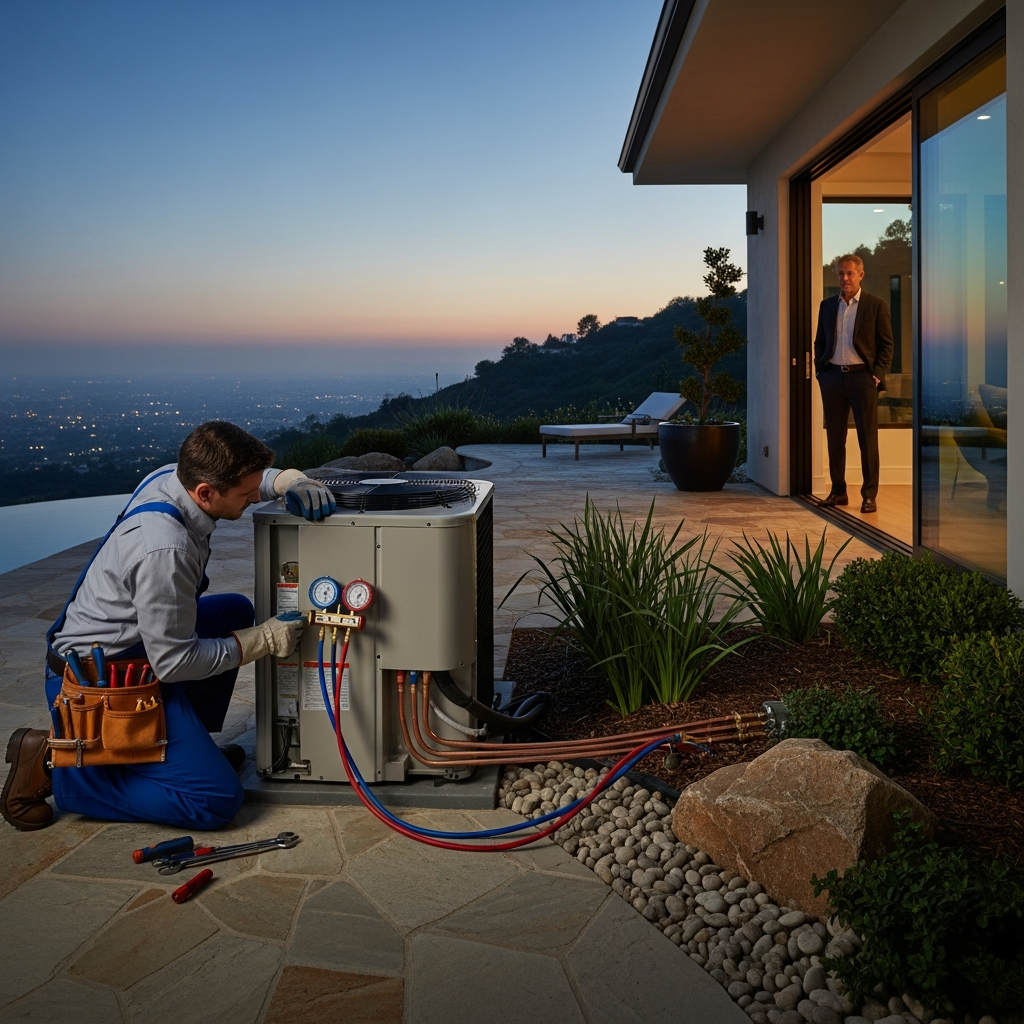
When the afternoon sun reflects off manicured stucco and glass in Beverly Hills, the heat can feel deceptively mild outdoors yet stifling indoors the moment your air conditioner falters. Emergencies rarely check calendars; they arrive on the hottest Saturday, the evening of a dinner party, or just as you’re trying to sleep. As a local who has seen countless frantic calls turn into swift, measured solutions, I can tell you that navigating an air conditioning crisis is as much about calm decision-making as it is about technical skill. The goal is to stabilize the home’s comfort, protect your system from further harm, and get life back to normal as quickly as possible. Whether you’re in a canyon home where temperatures linger longer after sunset or on a tree-lined flat where homes hold heat in their walls, the first hours matter. That’s why it’s essential to know whom to call, what to check, and how to avoid compounding the problem while waiting for professional help. If you need a reliable place to start, consider scheduling local air conditioning support before the next heat wave catches you off guard.
What qualifies as an emergency in Beverly Hills homes
Air conditioning emergencies come in a few common forms: a complete loss of cooling during peak heat, persistent breaker trips, electrical odors, visible sparking at the condenser or air handler, water leaking through ceilings or down walls, or a unit that runs but blows warm air while indoor humidity rises. In our climate, an outage on a hot day doesn’t just impact comfort; it can raise indoor temperatures to levels that are stressful for pets, older adults, and anyone sensitive to heat. Another red flag is unexplained noise—metal-on-metal scraping, high-pitched squealing, or a sudden grinding sound—especially if it begins after the system starts. These noises often point to failing motors, loose fans, or misaligned components that can escalate quickly if ignored. In multi-story homes, moisture on ceilings or near closet air handlers can travel fast, so shutting things down appropriately and calling for emergency service is prudent.
First steps before the technician arrives
When your AC fails, take a brief walk-through to gather details you can share. Check the thermostat settings and ensure the system is in cooling mode with an appropriate setpoint. Look at your breaker panel to see if the HVAC breaker is tripped; if so, reset it once only. If it trips again, leave it off—repeated resets can worsen an electrical fault. At the outdoor unit, verify the area is free of obstructions like yard bags or leaves; clear a foot or two of space if you can do so safely. Indoors, replace or remove a heavily clogged filter if you have a spare on hand; restricted airflow can trigger unusual icing and shutdowns. If you see ice on the refrigerant lines or the indoor coil area, switch the system to fan-only for an hour to help thaw, then switch it back to cooling once ice has melted. Most importantly, if you smell burning or see smoke, turn the entire system off and avoid further attempts to restart. Share everything you observed when you call—it helps the responder prioritize the right parts and tools.
Why rapid response matters in our microclimates
Beverly Hills is compact on the map but diverse in its microclimates. Canyons can trap heat and limit breezes, making homes warm quickly when the AC drops out. Flat neighborhoods experience radiant heat from pavements and low, still air in late afternoons. Add to this the thermal mass of plaster and high-end finishes that store warmth, and you have an environment where indoor temperatures can continue rising even after sunset. Quick stabilization—ventilation when safe, shading windows, and prompt professional triage—reduces the strain on furnishings, hardwood floors, and built-in cabinetry. For sensitive households that include infants, elderly family members, or pets, swift attention simply keeps everyone safer and more comfortable.
Common emergency failures and what they mean
Electric control failures, especially contactors welded shut or relays that won’t engage, are frequent culprits behind sudden outages. Another recurring issue is a failed capacitor, which your system needs to start and run efficiently; this failure can present as a humming outdoor unit with a fan that does not spin. Low refrigerant due to a leak can cause icing, erratic performance, or warm air at the registers. Condensate backups, especially in closet air handlers, can trigger float switches that stop the system to prevent water damage, or they may overflow in older setups lacking such protection. Thermostat miscommunication can also mimic a major failure, as can a tripped service disconnect or a damaged wire at the outdoor unit caused by landscaping. While homeowners can often identify symptoms, accurate diagnosis comes from pressure readings, electrical tests, and a trained eye for cause-and-effect that prevents the same issue from returning.
Staying safe while you wait
Safety decisions are straightforward. If you detect electrical odors or see sparking, keep the system off and leave the area around the equipment accessible but undisturbed. If water is pooling at the air handler, place towels or a tray beneath the unit if possible and turn the system off to stop further accumulation. Open windows during the cooler times of day to ventilate without letting in excess heat or outdoor particulates during peak traffic hours. Use fans to circulate air, but avoid pointing a powerful fan directly into a return grille if the air handler is off; that can blow dust into sensitive components. In homes with advanced control systems, disabling automated schedules prevents the system from trying to restart unexpectedly while a fault exists.
Temporary comfort measures that really work
Start by reducing indoor heat gains. Draw shades or drapes on sun-facing windows, especially in the late afternoon. Limit oven use, intense cooking, and running heat-generating appliances. If you have multiple levels, spend time on the lowest floor where it’s naturally cooler. In the evening, cross-ventilate by opening opposite windows to create a mild breeze; in the early morning, do the same before temperatures climb. Hydration and light clothing matter more than you think. Portable air cleaners with a fan setting can help circulate air in bedrooms at night. Remember that these are temporary steps to bridge the hours before service arrives; they’re not substitutes for repair, but they make those hours more bearable.
How technicians triage true emergencies
Experienced technicians use a methodical process. They interview you first: when did the issue start, what changed in the home, and what noises or smells have you noticed? Then they check power supply integrity, low-voltage control circuits, and safety switches. If the system is iced, they’ll allow defrosting before measuring refrigerant pressures to avoid misleading readings. Electrical components like capacitors and contactors are tested under load, and motors are inspected for heat damage or bearing issues. If a leak is suspected, the technician may perform pressure decay tests or use an electronic leak detector at common failure points such as flare fittings, service valves, or evaporator coil seams. For water issues, they’ll inspect traps, drain pans, and secondary protection devices and clear blockages with vacuum or nitrogen if necessary. The aim is to address the urgent symptom first while advising on any underlying conditions that, if ignored, will lead to future emergencies.
Why proactive planning reduces emergency risk
In my experience, many late-night calls could have been prevented with earlier tune-ups and simple housekeeping. Changing filters on a regular schedule keeps airflow stable and reduces stress on motors. A professional cleaning of the condenser coil before summer improves heat rejection and lowers the likelihood of overheating on the first real heat wave. Clearing vegetation around the outdoor unit ensures uninterrupted airflow and discourages pests from nesting in wiring compartments. For homes with attic ductwork, an inspection for separation, kinks, or crushed sections can raise delivered airflow and reduce short cycling. These tasks extend the life of components and give you a fighting chance of riding out a hot spell without incident.
The role of smart controls in emergencies
Smart thermostats and monitoring devices can be highly useful during a crisis. Alerts for rising humidity, unusually long runtimes, or temperature drift signal that something is off before full failure. In rental or second homes, remote monitoring lets you act quickly even when you’re not in town. However, in emergencies, it’s best to simplify: disable schedules and keep the thermostat steady so the system isn’t constantly starting and stopping. If you’ve added zoning or advanced humidity control, share the model information with your technician so they can evaluate those accessories as part of the diagnosis.
Local insights: homes, hills, and hidden challenges
Beverly Hills homes range from mid-century bungalows with modest duct runs to expansive estates with concealed air handlers and labyrinthine ductwork. Finishes are high-end, meaning water control is critical. Some properties, especially those with older remodels, have equipment tucked into tight closets that are hard to access; that complicates both routine maintenance and emergency service. Neighborhood foliage can blanket outdoor units in leaves and petals in spring, and Santa Ana conditions bring fine dust that clogs coils quickly. These factors make local familiarity valuable—professionals who know the nuances of our architecture and seasonal rhythms resolve problems faster because they anticipate where to look first.
Keeping the night comfortable when AC fails after dark
If your system fails late, prioritize sleep. Close unused rooms to reduce the volume you are trying to keep tolerable. In bedrooms, run ceiling fans to move air across your skin, which improves comfort even if the actual temperature has not dropped much. Chilled water bottles, breathable bedding, and a timed portable fan can all make the night manageable. In the morning, reach out early; getting on the first service route of the day can mean repairs are underway before the home has a chance to build heat again. If you already have a service relationship, you’ll often be prioritized for rapid response.
Coordinating access and information speeds everything up
Share gate codes, parking instructions, and the exact location of equipment when you call. If your home has multiple thermostats or zones, let the dispatcher know. If you recently had electrical work, landscaping near the condenser, or a renovation that modified ducting or returns, mention it—changes often correlate with new issues. Having the filter size handy saves time if a replacement is needed. And if you can gather a short video of the system noise or behavior, texting that ahead helps the technician arrive with the right mindset and components.
The middle of the emergency: choosing the right next step
Once a technician has stabilized the system or identified the likely fault, you’ll decide what to do next. If a part needs replacement that isn’t on the truck, discuss safe operation in the meantime and any temporary modes that prevent further damage. Ask what conditions would warrant shutting the system off again and how to recognize them quickly. If your equipment is older and the fault exposes a pattern of decline, you may consider a broader plan for reliability. Whatever you choose, remember that a well-documented service record is your ally. For continuity of care, it helps to work with a trusted local team for ongoing air conditioning needs so they know your system’s history when minutes count.
After the fix: validating performance
When cooling returns, a good practice is to validate performance over the next day. Note how quickly the home returns to setpoint, whether humidity feels right, and if any noises persist. Make sure the condensate line is draining and that there is no new moisture around the air handler. If you have a smart thermostat, review the runtime graphs for any anomalies. Keep the outdoor area around the unit clear and double-check that filters are seated properly; even a slight gap can bypass dust into the coil.
Building resilience for the season ahead
Schedule a full system check ahead of the next heat surge. Coils should be cleaned, electrical connections tightened, refrigerant charge verified by measured subcooling or superheat according to your system type, and airflow confirmed with static pressure measurements. If your home tends to overheat in specific rooms, ask about duct balancing or evaluating for hidden restrictions. Consider simple building-side upgrades too: window films, improved shading, or attic insulation can reduce load and keep your system out of the emergency zone during the roughest days.
Communication matters
The best emergency outcomes happen when everyone is aligned. A clear explanation of symptoms, openness about recent home changes, and prompt decisions when options are presented all speed resolution. If a temporary fix is implemented, follow the instructions precisely and schedule the final repair promptly. Keep records and document the date and nature of each issue; patterns in these notes can be incredibly revealing the next time you need help.
Knowing when to consider replacement
Not every emergency ends with a repair decision; sometimes the event is a sign that the system is at the end of its reliable life. Frequent electrical failures, persistent refrigerant leaks in older coils, or severe compressor issues can signal that even a successful fix may not buy much time. In those cases, it’s reasonable to explore a long-term plan that matches your home’s architecture and comfort goals. Still, there is usually a practical, immediate path to restore cooling safely while you weigh that choice thoughtfully.
Frequently asked questions
Q: How do I know my AC issue is a true emergency?
A: If there is a complete loss of cooling during extreme heat, signs of electrical trouble like burning odors or sparking, water leaking from the air handler or ceiling, or repeated breaker trips, treat it as urgent. Vulnerable occupants, such as infants or older adults, also make timely service more critical.
Q: What should I check before calling?
A: Confirm the thermostat is set to cool, verify the breaker has not tripped, look for an excessively dirty filter, and note any unusual noises or smells. Do not repeatedly reset breakers or continue running a system that smells like burning.
Q: Can I run the fan if the system is iced?
A: Yes, switching to fan-only can help melt ice on the coil. After an hour or so, when ice is gone, try cooling again. If ice returns, schedule service; low airflow or refrigerant issues may be at play.
Q: Is a refrigerant leak dangerous?
A: Small leaks usually present more of a performance and equipment health concern than an immediate safety hazard. Still, they require professional diagnosis and repair to prevent further damage and restore proper cooling.
Q: How quickly can emergency service arrive?
A: Response times vary with demand and time of day. Sharing detailed symptoms, access instructions, and your availability helps dispatch prioritize and ensures the technician arrives prepared.
Q: Will a temporary fix hold through a heat wave?
A: Temporary solutions are meant to stabilize comfort and protect the system until a permanent repair is completed. Follow your technician’s guidance closely and schedule final service as soon as possible.
Q: What can I do to prevent future emergencies?
A: Regular maintenance, clear airflow around the outdoor unit, timely filter changes, and pre-season inspections dramatically cut risk. Address minor symptoms early rather than letting them snowball into urgent failures.
Ready to restore comfort
When the heat builds and your home needs immediate relief, you deserve swift, thoughtful care that prioritizes safety and long-term reliability. If you’re facing an urgent cooling problem—or want to prepare before the next hot spell—reach out to a trusted Beverly Hills specialist who understands our homes and climate. For prompt scheduling, expert diagnostics, and attentive follow-through, book local air conditioning service today and feel the difference from the first call to the final cool, quiet exhale.