
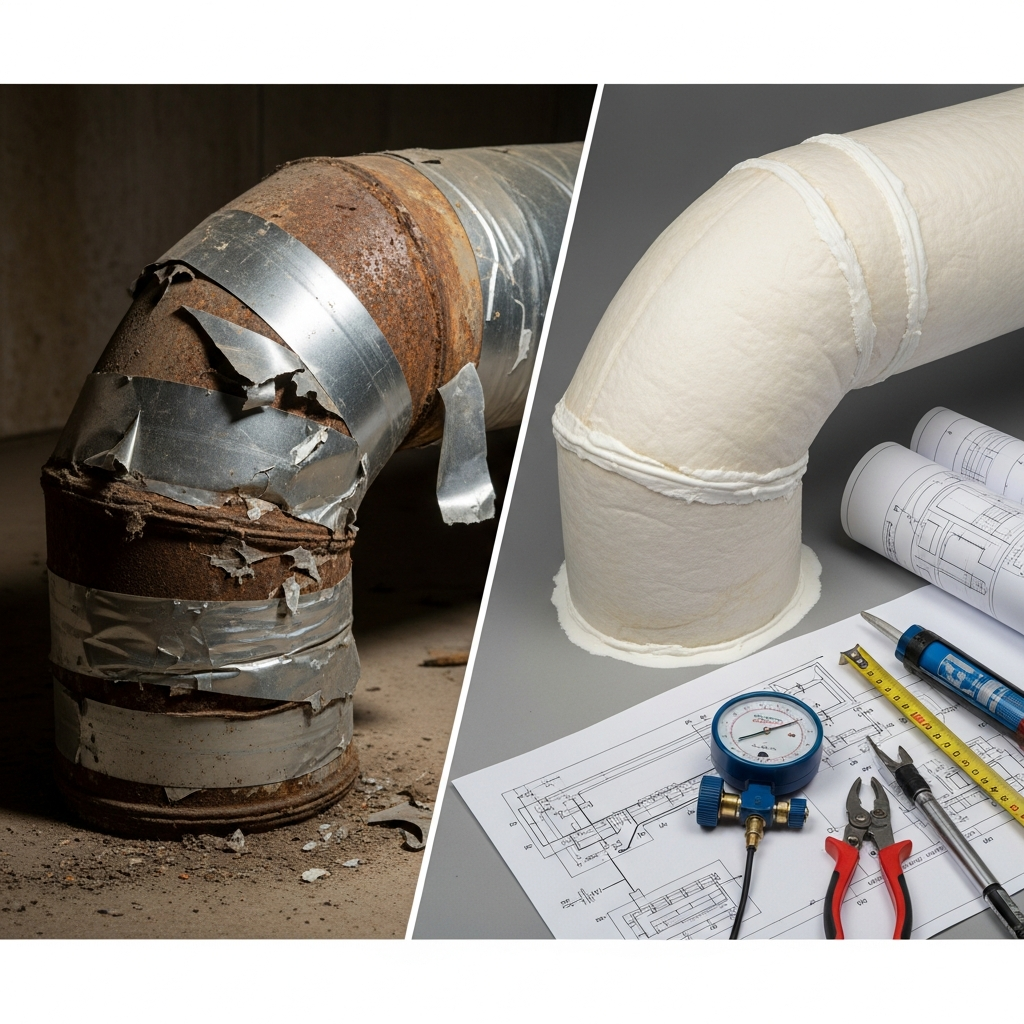
Choosing between repairing existing ductwork and replacing it entirely can feel like standing at a fork in a winding Beverly Hills canyon road. Both paths promise progress, yet one will bring you to a smoother, more scenic drive for years to come. The right choice depends on your home’s architecture, the condition of the current system, and the comfort and air quality you expect. In our neighborhoods, where homes range from compact classics to sprawling hillside estates, the answer is rarely one-size-fits-all. This guide walks you through the cues, tradeoffs, and practical steps that bring clarity. If you want a concise primer while you read, many homeowners begin with local insights into duct replacement so the factors we discuss have a clear, real-world backdrop.
Start with what you feel day to day
Your home’s comfort patterns offer the first hint. Consider rooms that are consistently too warm or too cool, registers that whistle at certain blower speeds, and the fine dust that sometimes appears near supply grilles. Odors when the system starts or a stale quality to the air can also signal issues in the return path. If you have already tuned the equipment and kept filters fresh, persistent symptoms often point to duct layout, sizing, or leakage rather than the air handler or condenser.
Document these experiences room by room. Note times of day, weather conditions, and activities in the space. These details help an assessor correlate complaints with physical causes—long trunk runs overheating under afternoon sun, for instance, or a return placed in a stagnant alcove. When observations match measurements, the path forward becomes clear.
Inspection: put eyes and instruments on the problem
A proper assessment blends visual inspection with measurements. The team should map existing runs, photograph tight turns or crushed sections, and take static pressure and airflow readings. They will check return placement and look for signs of leakage—dust streaks at joints, peeling tape, or loose boots at ceilings and floors. Insulation integrity is another key piece; thin or damaged jackets allow heat gain or loss that undermines comfort. This investigative phase turns your observations into a working diagnosis.
In many Beverly Hills homes, older renovations introduce puzzle pieces: layered soffits, hidden beams, and additions that created strange detours for ducts. Recognizing these patterns early helps distinguish problems repair can realistically solve from those that call for a more comprehensive redesign.
When repair makes sense
Repair is a strong option when the system’s bones are sound. If duct sizing, routing, and returns are fundamentally correct but a few sections leak or a register location is suboptimal, targeted repairs can deliver excellent results. Re-sealing joints with mastic, replacing a crushed branch, or relocating a supply a few feet to improve throw may calm noise and even out temperatures. Repairs can also include upgrading a filter rack for better access, which in turn encourages timely filter changes that protect airflow.
Repairs shine when the causes of discomfort are localized and measurable. For example, a consistently warm home office might trace to a sharply bent run that can be straightened or a boot that never fit the register properly. Once corrected, the broader system performs as intended.
When replacement is the wiser path
Replacement becomes compelling when issues are systemic: widespread leakage, undersized or poorly located returns, labyrinthine routing that creates high static pressure, or insulation that has degraded throughout. If design flaws are baked into the layout, repairing pieces tends to chase symptoms without resolving root causes. In these cases, a new, measured design that right-sizes branches, optimizes returns, and minimizes turns yields the quiet, even comfort homeowners expect.
Homes that have undergone multiple additions often benefit from a fresh design. Piecemeal changes can leave the system with conflicting priorities—a nursery stolen of airflow by a media room branch, or a primary suite at the end of an overburdened trunk. A replacement project rebalances these relationships so each room receives its share without forcing the blower to work harder than it should.
Health and cleanliness as decision drivers
Air quality sits alongside comfort in importance. If ducts are contaminated beyond practical cleaning—by persistent dust ingression, damaged interiors, or odors that do not resolve—replacement offers a clean slate. Properly sealed returns, smooth interior surfaces, and secure filter racks keep air fresh and reduce the load on your equipment. In a region where pollen seasons and occasional smoke events visit each year, the benefit of starting from clean, tight ducts is immediate and ongoing.
Another health-forward consideration is avoiding unconditioned air mixing with supply or return streams. Replacement allows a thorough sealing strategy and verification testing to ensure that the system operates as a closed, controlled pathway.
Noise, placement, and the feel of your home
Sound is a frequent tipping point. If the system must strain against high resistance, it speaks through registers and returns. Replacement creates an opportunity to reduce static pressure with right-sized ducts and gentler routing, which often lowers noise noticeably. Bedrooms and media rooms in particular benefit when long runs receive smoother transitions and returns gain breathing room. Even small shifts in register angle or boot style can quiet the sensation of air rushing where you wish to relax.
Placement also shapes the home’s aesthetic. New routing can hide ducts more gracefully, protect finishes, and provide filter access that does not compete with artwork or furnishings. These practical touches translate into a system that complements the home rather than calling attention to itself.
Access, finishes, and managing the work
Whether repairing or replacing, work inside a finished Beverly Hills home calls for thoughtful planning. Protecting floors and millwork, staging materials, and coordinating noisy phases with your schedule are part of a respectful process. Tight attics and shallow crawlspaces require care to prevent damage and preserve cleanliness. Discuss logistics early—parking, pet safety, elevator access in multi-level builds—so the project integrates smoothly with daily life.
When opting for replacement, staging often happens in phases: removal of old ducts, rough-in of new trunks and branches, sealing and insulation, balancing, then testing. At each phase, a short walkthrough keeps you informed and invites small adjustments before finishes are closed.
Verification: the difference between hoping and knowing
In both repair and replacement, testing is your ally. Airflow readings, static pressure measurements, and duct leakage tests provide objective data to guide adjustments and confirm results. For repairs, testing verifies that targeted fixes closed the gap between symptoms and performance. For replacements, testing proves that the new design delivers the comfort and quiet promised in the plan. Documentation also creates a helpful baseline for future maintenance.
Commissioning is also a teaching moment. Learn where balancing dampers live, how to replace filters, and what healthy readings look like. A 10-minute tutorial empowers you to notice changes early and keep the system performing quietly and consistently.
Thinking ahead: how your home may evolve
If you anticipate changes—a new home office over the garage, an enclosed patio, or a shifted wall in a primary suite—those plans can influence today’s choice. Replacement provides flexibility to position trunks and returns for future branches, whereas repair may only solve for the present layout. Communicating your vision helps the team leave the system ready to accommodate tomorrow with minimal disruption.
Even without structural changes, lifestyle shifts matter. If a room will host frequent workouts or late-night film screenings, design can shape airflow and register selection accordingly. These conversations yield a system that feels tuned to your life.
Comparing proposals with a clear framework
When proposals arrive, evaluate them by their clarity about design, materials, sealing methods, insulation levels, return strategies, and verification steps. Ask how noise will be handled near bedrooms, how finishes are protected, and how daily communication is managed. For repair proposals, look for specific locations, readings, and the rationale behind each fix. For replacement proposals, expect room-by-room airflow targets and a commissioning plan. This framework helps you compare ideas rather than just line items.
Responsiveness is telling. A partner who answers questions promptly and explains tradeoffs stands out. That collaborative style becomes the foundation for a project that feels well-managed and rewarding.
Frequently Asked Questions
How do I decide between repair and replacement?
Start with an assessment that includes measurements and photos. If issues are localized and the core layout is sound, targeted repairs can work well. If problems are systemic—widespread leakage, undersized returns, or convoluted routing—a new design and replacement typically deliver better comfort and reliability.
Will repair fix hot and cold spots?
When a specific cause is identified—like a crushed branch or a poorly placed register—repairs often solve the issue. If multiple rooms struggle due to overall layout or return limitations, replacement is more likely to restore even temperatures.
Is noise a sign I should replace?
Noise points to stress in the system. If it stems from sharp bends, high static pressure, or undersized returns across much of the home, replacement with a right-sized, smoother design usually quiets operation. If the source is a single run or register, a targeted repair may suffice.
Can repairs improve indoor air quality?
Yes, sealing specific leaks and upgrading filter access can reduce dust and odors. However, if contamination or leakage is widespread, replacement offers a clean slate with tight returns and smooth interiors that help keep indoor air fresh.
How disruptive is full replacement compared to repair?
Replacement is more involved, with phases that include removal, installation, sealing, balancing, and testing. A considerate crew manages dust, protects finishes, and communicates daily so you can plan around noisier windows. Repairs are typically faster and more localized, but they still benefit from careful staging.
If you are ready to choose the path that brings lasting comfort, quiet operation, and fresher indoor air, start with a thoughtful assessment and a conversation about your goals. From there, decide confidently whether a precise repair or a comprehensive redesign will serve you best. When you are prepared to take action, connect with a Beverly Hills specialist who will measure first, plan carefully, and stand behind the result—beginning with a tailored plan for duct replacement that turns your decision into day-to-day comfort you can feel.