
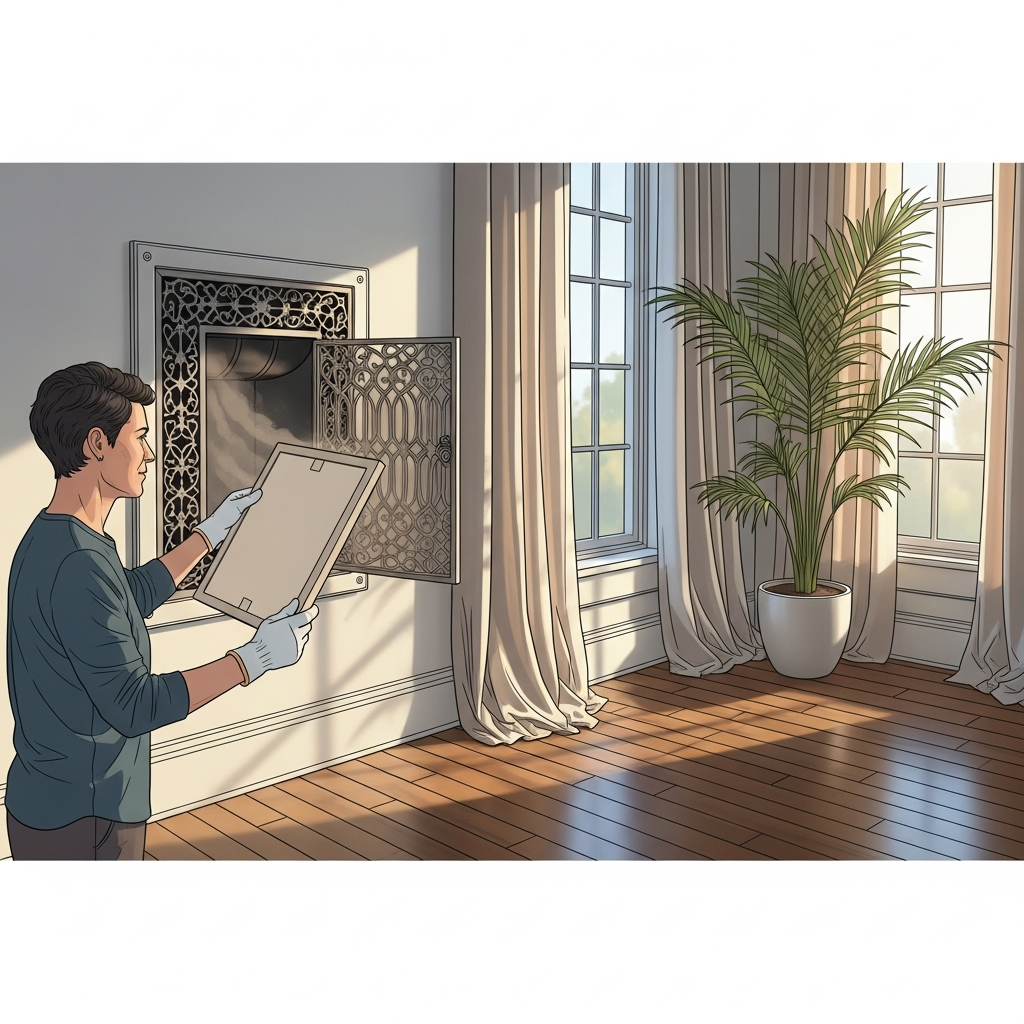
Caring for a Beverly Hills home is an art of small, steady gestures. Floors get their quiet polish, stone is sealed before the season, and fabrics are cleaned in ways that respect their fiber and dye. Air deserves the same thoughtful attention. The ducts that move it—hidden above ceilings, behind walls, and under floors—benefit from a rhythm of care that keeps comfort effortless and interiors serene. Over years of working in homes from the Flats to Trousdale and the canyons, I have watched how a simple, reliable approach to duct maintenance makes every other part of life at home easier.
This is not about drama or drastic measures. It is about aligning routine tasks with the season, with family life, and with the quirks of Beverly Hills microclimates. Done well, your home smells like itself, temperatures feel even room to room, and fabrics and finishes need less fuss. Here is a practical, lived-in guide to ongoing duct care, plus when and how to fold in professional air duct cleaning so the system remains quietly excellent.
Start with a Baseline Cleaning
If you have not cleaned your ducts in the past few years—or after a renovation—start with a thorough, source-removal service. Think of it as clearing the canvas. Once the interior film and old debris are gone, filters stay clean longer, odors lift, and you can sense what the system is actually doing without the distortions of dust. After that reset, ongoing care is simpler and more predictable.
Create a Local Seasonal Rhythm
Beverly Hills has its own weather music: marine layers, generous spring blooms, dry Santa Ana winds. Align your care with that rhythm. A filter change ahead of spring pollen keeps returns from loading up with local olive and jacaranda traces. A quick inspection after a week of brisk winds ensures registers are free of lint or visible dust that can become a stubborn film if ignored. Small acts, done on time, prevent bigger tasks later.
Mind the Returns—the Lungs of the House
Returns pull in everything: dust lifted by foot traffic, microscopic kitchen grease from a lively dinner, and fine ash that can drift in during regional fires. Keep the path clear. Avoid hanging textiles right over returns and vacuum grilles gently during regular housekeeping. If a return is tucked behind a door or inside a closet, make a habit of checking it. The cleaner the returns, the fresher the baseline between professional services.
Filter Changes with Purpose
Filters are not a set-and-forget item. Check them more often during pollen bursts, after entertaining weeks, and following nearby construction. A squeaky-clean duct system makes filter life more predictable, but life still throws curveballs. Trust your eyes. If you find yourself changing filters unusually often, consider whether a professional cleaning is due or if a nearby project is stirring up more dust than usual. Adjust the schedule; your home will tell you what it needs.
Protecting Finishes and Fabrics
We care deeply for the materials in our homes. Airborne particulate is the silent wear agent on lacquer, stone, and silk. Clean ducts reduce the steady trickle of dust that tries to land everywhere. As part of care, coordinate with housekeeping to dust gently and less aggressively. Microfiber and soft brushes, used less frequently than before, will be enough if the air pathway is kept clean. The reward is the slow, beautiful aging of surfaces that look like themselves for years.
Vent Etiquette in Busy Rooms
Kitchen family rooms see it all—school projects, pets, delivery drops, an impromptu charcuterie board on a coffee table near a register. Encourage a small etiquette: keep register faces free of paper, fabric, or baskets that block flow. If you hear a hiss, feel for a magazine or toy that has slid over the grille. These tiny checks preserve airflow patterns and reduce noise. They are also the places where dust tries to collect first, so a weekly glance keeps things fresh.
Cooking, Fireplaces, and Odor Management
We want a kitchen that smells like dinner when dinner is happening—and only then. Run range hoods effectively, and give them another minute at the end to clear lingering vapors before the system redistributes air. After a fireplace evening, crack a terrace door briefly to vent the room before shutting down for the night. These habits prevent odor compounds from homesteading in returns and, by extension, inside ducts. Combined with periodic cleaning, they keep the house smelling like itself.
Pet-Friendly Practices
Pets make homes lovelier, and their dander makes ducts busier. Regular grooming, washable throws where they like to nap, and a gentle vacuum over return grilles make a visible difference. Between cleanings, consider a slightly tighter filter schedule during peak shedding seasons. The goal is not perfection; it is a soft, steady equilibrium where the home stays fresh without feeling fussy.
Renovation Reality
Even small projects release fine dust. If you are painting a room, sanding a floor, or swapping built-ins, seal returns in the work zone and ask your contractor to use dust collection whenever possible. When the project wraps, remove temporary coverings and check nearby registers. If the work was substantial, plan a post-remodel cleaning. It is one of the quickest ways to make a refreshed space feel truly complete.
When to Call in the Pros Again
Every two to four years suits most Beverly Hills homes, with the shorter interval for canyon properties, pet households, heavy entertaining, or those affected by wildfire ash or nearby construction. Beyond the calendar, trust the cues: a faint mustiness after a weekend away, registers that soil faster than they should, or rooms that feel a little out of sync with the thermostat. Those are gentle signals that professional air duct cleaning will reset the baseline.
What Good Service Looks Like
Look for source-removal methods, careful protection of floors and finishes, and clear communication. A good team explains what they are doing without drama, documents the work, and leaves without a trace—except for air that feels lighter and rooms that settle into a quieter hum. If small repairs are needed, like sealing a return gap or re-insulating a short run, bundling them during cleaning maximizes value and minimizes disruption.
Aftercare: Noticing the Subtle Wins
Following a thorough cleaning, take a week to enjoy the small differences. Dusting lasts longer. The background noise softens as registers stop fluttering. The home’s scent turns to neutral. Make a note of these impressions; they become your reference for timing the next service. Duct care is a conversation with your home, and it gets clearer each time you listen.
Children, Guests, and Daily Life
Busy schedules and lively households are not the enemies of clean air. They are the reason to care. Encourage a habit of closing doors gently so pressure changes do not cause registers to chatter. Teach children to keep paper off grilles and to notice if a room feels different than usual. These light-touch practices, combined with professional care, make the home feel composed even on the most active days.
Estate Management and Documentation
For homes with staff or managers, fold duct care into the property manual. Keep service reports with images, track filter changes, and note seasonal cues like the first jacaranda bloom or the first Santa Ana week. The goal is a graceful pattern: predictable work that keeps surprises to a minimum and aligns with the home’s events calendar, from holiday gatherings to summer travel.
Respect for Materials, Always
Behind the scenes, many ducts pass by or through spaces finished in plaster, stone, and lacquer. Good care protects them. During service, look for padded protection, quiet equipment, and patient removal of decorative grilles. Afterward, expect registers to sit true and surfaces to look untouched. This respect is part of care. It makes the difference between a task completed and a home that feels cherished.
Frequently Asked Questions
How often should I schedule professional duct cleaning?
Every two to four years is a sensible cadence for most Beverly Hills homes, with a reset anytime a renovation wraps. Homes in the canyons, pet households, or residences affected by nearby construction or wildfire ash often benefit from the shorter interval.
Does duct cleaning add a scent to my home?
No. Proper cleaning relies on mechanical removal and containment, not perfumes. Your home should smell like itself when the work is finished—quiet, fresh, and neutral.
Can I do any of this myself?
You can gently vacuum register faces, keep returns unobstructed, and manage filter changes. The interior duct surfaces, coils, and plenums are best left to trained technicians with the right tools and containment to protect your home.
Will cleaning help with pet dander?
Yes. Removing accumulated dander and dust from ducts reduces the load that recirculates. Paired with grooming and sensible filter changes, you will notice a fresher baseline.
What if I still notice an odor after cleaning?
Then we look for other contributors—perhaps a fireplace flue, a drain, or an appliance gasket. Duct cleaning removes a major reservoir; addressing secondary sources completes the picture.
How do I time cleaning around entertaining?
Schedule ahead of major events or early in a quieter week so the home can settle and you can enjoy the full benefit. The work is minimally disruptive when planned, and the house feels wonderfully reset afterward.
Call to Action
If you are ready to fold air care into the graceful rhythm of your home—calmer mornings, fresher rooms, and finishes that age beautifully—schedule professional air duct cleaning with a Beverly Hills team that respects design, timing, and the way you live. The best maintenance is almost invisible, yet it elevates every ordinary day.