
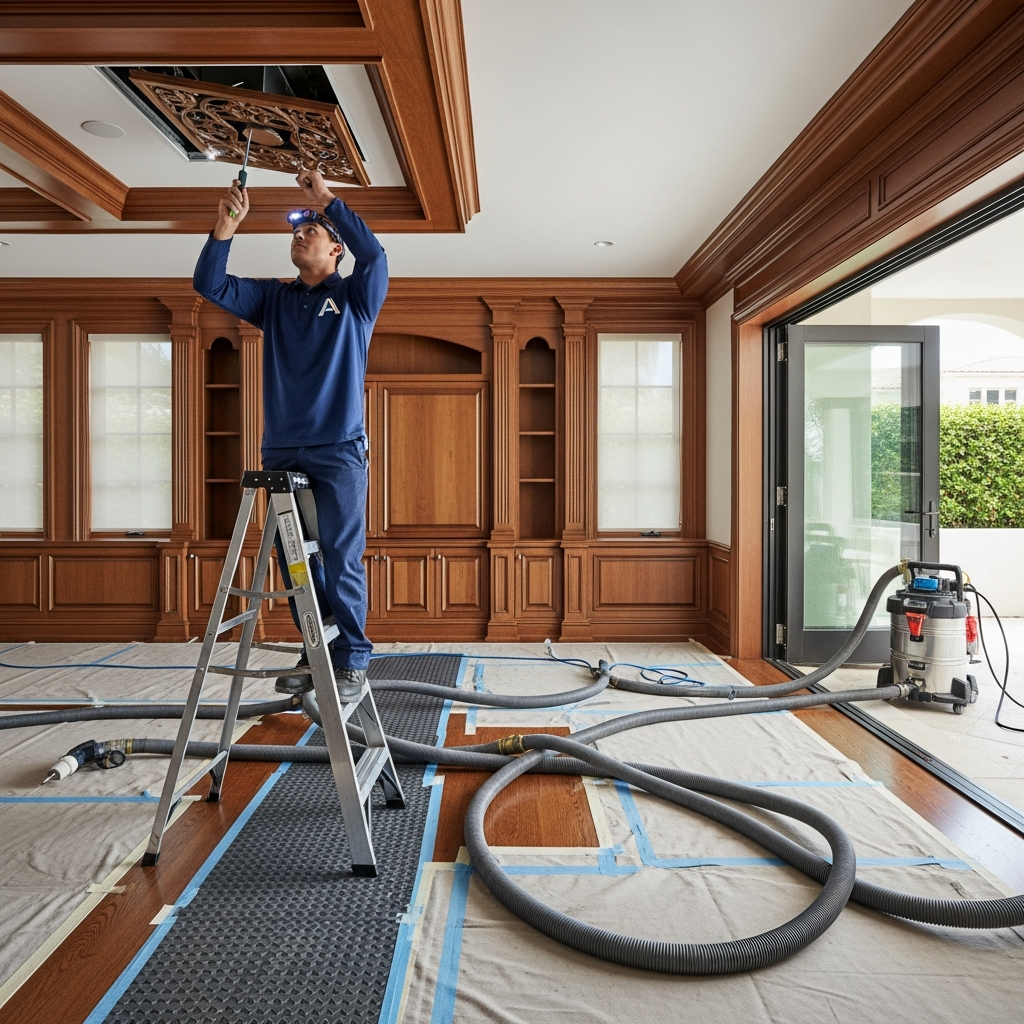
When neighbors in Beverly Hills start comparing notes about their homes, the conversation often wanders from landscaping to lighting to the quieter systems that keep everyday life comfortable. Chief among those is the HVAC system, and it does not take long before someone asks what they should expect when planning for a thorough air duct cleaning. While every home is different, there are consistent patterns in our area—shaped by architecture, microclimates, and lifestyle—that determine what a typical project looks like and how to approach it wisely.
Before we dive into the nuances, it helps to understand what defines a complete service and why local details make such a difference. If you are beginning your research, a strong starting point is speaking with a provider who understands our buildings and climate. When you explore air duct cleaning with a Beverly Hills focus, you can frame expectations around the realities of hillside lots, high-end finishes, and multi-zone HVAC systems that are common here.
What shapes the typical investment for Beverly Hills homes
The phrase “average” can be misleading in a city where a 1930s Spanish Revival on a shaded street stands next to a new, glass-forward contemporary with a fully finished basement. Still, there are recurring elements that influence planning. The first is system size and complexity. Many residences have multiple air handlers to manage temperature disparities across square footage, sun exposure, and floor count. Each air handler comes with a web of trunks and branches, and the more extensive the network, the more time and care required to clean it thoroughly without disrupting daily life.
Access is another driver. In flats neighborhoods with generous attic space, technicians can set up negative pressure equipment and move efficiently. In the hills, you often see tight mechanical rooms, low crawlspaces, or long runs that travel through architectural features. Navigating these conditions safely adds thoughtful setup and protection for surrounding finishes. Homes with intricate millwork, custom registers, or delicate plaster benefit from additional masking and post-clean verification to ensure every vent is returned to its exacting look.
Then there is the home’s story. Renovations—especially those involving new hardwood floors, kitchen reworks, or basement conversions—create fine particulates that nestle inside supply trunks and returns. Properties that hosted construction within the last couple of years typically need deeper agitation and more passes to lift and remove that accumulation. Likewise, homes that weathered late-summer wildfire smoke or frequent Santa Ana winds can exhibit odor and residue patterns that respond best to targeted cleaning along specific runs.
Home and system specifics that matter
Even when two homes share similar square footage, their HVAC layouts can be worlds apart. Some Beverly Hills properties rely on older sheet metal ducts that, when sealed well, respond beautifully to rotary brushing and negative air methods. Others mix modern flex runs with sheet metal trunks, where technique selection and tool pressure must adjust to protect the duct’s integrity. Zoning matters, too. With multiple thermostats controlling dampers throughout a system, cleaning teams isolate and treat each zone, ensuring registers that seldom open receive full attention.
Return pathways are a frequent surprise for homeowners. Large central returns in hallways may look straightforward, but many houses hide secondary returns behind cabinetry or inside closets, especially on upper levels. Thorough mapping before setup prevents missed sections and supports a complete outcome. Filtration upgrades add another dimension. High-MERV media filters, electronic air cleaners, and UV lights all affect particle capture; during cleaning, technicians evaluate how those components have interacted with your indoor air over time and recommend simple maintenance habits to keep momentum going.
Pets, seasonal entertaining, and home gyms also influence accumulation. Beverly Hills living often means open doors to patios and courtyards, increased traffic on weekends, and periodic gatherings that keep systems cycling longer hours. These patterns do not just change airflow; they shift where dust, dander, and outdoor particulate settle within the system. A seasoned local technician reads these clues and adapts the approach so that cleaning isn’t just general, but targeted to how you truly live.
What a thorough cleaning actually includes
Clarity about scope helps set balanced expectations. A comprehensive service begins with a walkthrough to identify supply and return registers, locate air handlers, and note construction details worth protecting. After setup, negative pressure is established on the ductwork so contaminants travel in the right direction—out of the home, not into rooms. Agitation tools then dislodge adhered material along each branch. Technicians may use whip lines, soft brushes, or rotary systems calibrated to the duct type. Registers are removed, cleaned, and reinstalled; plenums and accessible trunk interiors receive close attention.
For air handlers, cleaning typically focuses on blower compartments, evaporator coil cabinets if accessible, and drain pans. The goal is not to transform equipment into factory-new condition but to reset performance by removing buildups that hinder airflow. Where appropriate, technicians may recommend coil washing or replacement filters after the ductwork has been addressed. Careful providers will document progress, often with before-and-after images, to make the invisible visible and give you confidence that no section was skipped.
At about the midpoint of a project, many homeowners appreciate a quick status update, especially in larger properties or when family schedules are tight. This is also a good moment to confirm that any optional services you discussed—such as deodorizing treatments after a smoke event—are still desired. If you are comparing approaches, look for teams experienced in Beverly Hills air duct cleaning who prioritize cleanliness around work areas, thoughtful containment, and clear communication throughout the day.
Timing, preparation, and aftercare
When to schedule depends on how you use your home. Many residents prefer late spring or early fall to catch shoulder seasons when doors and windows are less likely to be open and HVAC cycles are moderate. If you are planning a remodel, consider cleaning after the bulk of dusty work wraps up but before final painting and furnishings. On service day, straightforward preparation goes a long way: move fragile items from below registers where feasible, clear a path to the mechanical room, and plan pet access so doors can remain closed when vacuums are running.
After the work, what you notice first is subtle: an evenness to room temperatures, a faint freshness replacing stale undertones in hallways, and a quieter hum as the blower no longer fights through buildup. Your technician should review filter changes, recommend a reasonable interval for follow-up, and point out any ductwork or sealing opportunities that were revealed during cleaning. These suggestions are not upsells; they are insights from spending time with your system in detail.
Homeowners often ask how long results last. The answer depends on daily habits, outdoor conditions, and renovation plans. In a well-sealed home with quality filtration and routine housekeeping, the benefits persist noticeably. If you anticipate frequent entertaining, high-traffic weeks with guests, or landscaping projects that kick up dust, you may opt for earlier check-ins to maintain that fresh baseline. Ultimately, it is about aligning the service rhythm with the way you live so your home stays comfortable without constant thought.
FAQs about air duct cleaning in Beverly Hills
How do I know my ducts are due for cleaning?
Common signs include more frequent dusting, faint odors when the system starts, rooms that never feel quite as comfortable as others, and visible buildup on return grilles even after you clean them. Post-renovation homes and properties exposed to regional smoke benefit from a review sooner rather than later.
Will cleaning disrupt my routine or mark up walls and finishes?
Professional crews prepare carefully, setting down protection where equipment travels, masking delicate moldings, and coordinating register access around family schedules. With the right setup, the process is orderly, and rooms are left as tidy as they were found.
Is this something I should plan around allergy seasons?
If allergies are a concern, schedule before your worst months begin. Pairing duct cleaning with upgraded filtration and a fresh filter install can create a noticeable difference in comfort during high-pollen periods.
What about homes with multiple systems?
Multi-handler properties are common in Beverly Hills. Each system is addressed zone by zone to ensure complete coverage. Your technician will outline the sequence so you know which areas of the home are active at any given time.
Do I need additional treatments after cleaning?
Most homes do well with a thorough mechanical cleaning alone. In cases of smoke odor, water events, or specific sensitivities, optional treatments may be discussed. The key is customizing decisions to your home’s story rather than defaulting to one-size-fits-all add-ons.
If you are ready to reset your indoor air and want a plan tailored to your home’s architecture and lifestyle, reach out to a team that understands our neighborhoods. Start the conversation about premium care with experienced local professionals in air duct cleaning and enjoy the quiet confidence that comes from a system performing at its best.