
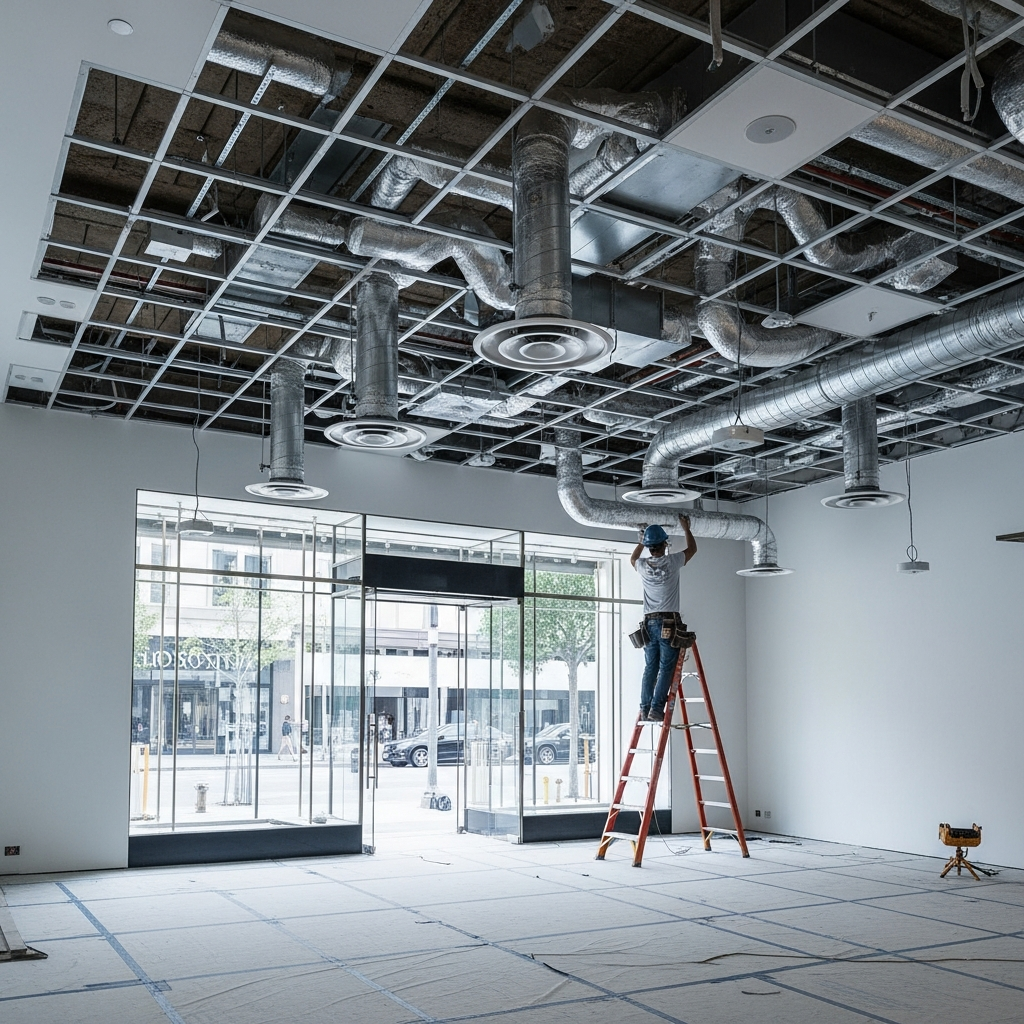
In Beverly Hills, the expectations for commercial spaces are exacting, whether you manage a boutique on Brighton Way, a discreet professional office above Wilshire, or a hospitality venue in the Golden Triangle. When the discussion turns to commercial duct replacement cost, owners and facility managers want more than a line item; they want a plan that respects brand standards, occupant comfort, and regulatory obligations while keeping operations running smoothly. The best outcomes begin with a practical understanding of how air moves within your specific space, how your ceiling plenum or mechanical rooms are organized, and what your business needs from the environment day to day. Early planning, respectful phasing, and clear communication transform a generic idea of duct replacement into a tailored strategy aligned with your hours of operation, acoustical goals, and aesthetic expectations.
Commercial tenants and owners often think in terms of productivity and perception. Staff should feel energized, clients should feel welcome, and products should live in the right conditions. Ductwork is critical to those outcomes yet is largely invisible when it works well. That invisibility is the standard we aim for: even temperatures, quiet air, and dependable ventilation matched to occupancy. Getting there means decoding pathways above the ceiling grid, confirming diffuser counts and types, assessing return strategies, and understanding how existing structural and architectural elements influence routing. Once the space is mapped, the conversation about scope and schedule becomes specific, calm, and grounded in reality.
Factors That Shape Commercial Duct Replacement
Ceiling type and plenum depth are decisive. Open ceilings with exposed structure invite different routing and hanger strategies than shallow plenum spaces packed with lighting and cabling. In retail settings, spotlighting and decorative elements often sit in the same plane as diffusers, requiring precise coordination to keep sightlines clean. In offices, acoustical ceilings can hide a dense ecosystem of data lines, fire sprinklers, and old ductwork, making demolition and replacement a surgical exercise. Rooftop units and vertical shafts, if present, guide the trunk layout and influence whether cranes or after-hours deliveries are required.
Operational continuity is next. Most Beverly Hills businesses cannot fully shut down for mechanical work. That’s where phasing pays off: performing loud or messy tasks after hours, isolating zones for short windows, and maintaining fresh air delivery throughout. Clear daily goals, an agreed-upon sequence, and visible protection of merchandise and finishes foster trust and keep momentum. It’s not merely about swapping ducts; it’s about staging the work so that staff can do their jobs and clients barely notice.
Materials, Acoustics, and Brand Experience
Material selection carries both technical and brand implications. Sheet metal trunks with internal lining can deliver quiet, stable airflow over long runs, while well-specified flexible branches can serve short, unobtrusive connections to diffusers. In spaces where the brand narrative depends on calm—think luxury retail fitting rooms or private consult rooms—air velocity, diffuser design, and internal lining choices repay attention. Background sound should be felt as comfort, not heard as hiss. The placement of returns can also shape perception; returns tucked thoughtfully away from customer-facing areas preserve the serenity of retail vignettes and meeting rooms.
Diffuser aesthetics matter, especially when ceilings are visible. Linear slot diffusers, round supply diffusers, or discreet perforated options can reinforce a design language. Even in a grid ceiling, the layout of diffusers relative to lighting and signage affects the overall impression. These details are not superficial; they’re part of the sensory experience that your customers and staff have every hour the business is open.
Code Compliance, Inspections, and Documentation
Commercial work in Beverly Hills demands a disciplined approach to code compliance and inspections. Energy standards shape insulation and leakage targets, and mechanical codes govern fire and smoke control strategies, including the selection and placement of dampers where required. Kitchens or specialty uses must be isolated from general return systems to preserve indoor air quality. Documentation should be crisp: plans that coordinate with other trades, submittals that confirm materials and ratings, and inspection checklists that anticipate the questions an authority having jurisdiction will raise.
Testing and verification are as critical in commercial spaces as in homes. Airflow measurements, sound level checks in sensitive areas, and commissioning of controls confirm that the system performs the way it was conceived. When documentation and testing track the design from the outset, inspections feel like validation rather than a cliffhanger. This approach also streamlines tenant improvement timelines, helping projects meet opening dates or seasonal milestones without drama.
Phasing and After-Hours Work
After-hours work is often the bridge between high standards and uninterrupted business operations. The playbook might include early-morning deliveries to avoid daytime congestion, protective coverings that vanish by opening bell, and designated windows for noisier activities like demolition or coring. Communication with property management, neighboring tenants, and security ensures that everyone understands the plan and that access and life-safety rules are respected. When crews treat your space as an active environment rather than a construction site, the project feels less like a disruption and more like an artful changeover.
For multi-tenant buildings, coordination with base-building systems is essential. Rooftop access, elevator reservations, and temporary shutdowns of shared systems must be negotiated and scheduled. A clear matrix of responsibilities—the line between tenant work and building work—prevents scope gaps and aligns expectations. It’s the kind of clarity that owners and managers appreciate because it translates directly into schedule reliability.
Mid-Project Discoveries and Decision-Making
Above a ceiling grid or behind an architectural soffit, the past lives of a building often linger. Old junction boxes, abandoned duct runs, or unexpected framing can appear. The difference between a project that stalls and one that glides through these surprises is the decision-making framework. When teams surface options quickly—reroute a branch with a smoother bend, relocate a return to reduce noise, or adjust hanger strategy for structure—the project absorbs the discovery without losing the thread. Owners remain confident because they see their priorities reflected in each adjustment.
In the heart of a commercial upgrade, a quick review of the fundamentals keeps the plan aligned: target airflows for zones, noise criteria for sensitive spaces, and verifications required for closeout. This is also an appropriate moment to revisit any brand directives around diffuser styles or exposed elements. Mid-course refinements are normal and can even elevate the outcome when they are paired with orderly documentation and approvals for duct replacement.
Commissioning and Handover
Commissioning gives your team confidence that the space is ready. Diffusers are balanced to achieve design airflows, returns are verified for placement and function, and duct leakage results are documented. In acoustically sensitive environments, sound checks confirm that background levels align with expectations. Staff training on filter schedules and access points rounds out the process so that facility teams can support the system day to day. A thoughtful handover reduces callbacks and gives managers a clear picture of maintenance touchpoints.
When the dust is gone and the store opens or the office hums along, the best compliment is silence—the kind where comfort is assumed and the only thing your clients notice is the experience you designed. That’s the measure of a successful commercial duct replacement in Beverly Hills.
Frequently Asked Questions
How do business hours affect a commercial duct replacement plan?
Business hours shape phasing and labor windows. Loud or messy work is often scheduled after-hours, while quieter activities and protected zones proceed during the day. The plan should minimize downtime by sequencing areas and communicating daily goals so staff can operate normally and customers see a polished environment.
What special code considerations apply in commercial spaces?
Beyond energy code requirements for insulation and leakage, commercial projects must address fire and smoke control, proper classification of spaces, and separation of specialty exhaust systems from general returns. Documentation and inspections are more formalized, and coordination with base-building systems is common in multi-tenant properties.
Can we reuse existing diffusers and grilles?
Sometimes, provided they match the new airflow targets and meet aesthetic goals. In many upgrades, diffuser types or placements change to improve comfort and noise. If a brand standard specifies a particular style, selections can be made early so the layout integrates them gracefully.
How disruptive is demolition in a retail or office environment?
With proper containment, strategic timing, and purposeful cleanup, demolition can be performed with minimal impact on business operations. Clear protection of merchandise and finishes, along with coordinated haul-out schedules, keeps spaces ready for customers and staff at opening time.
What does commissioning include for a commercial project?
Commissioning typically includes verifying airflows at diffusers, confirming duct leakage performance, and reviewing controls and schedules for occupied and unoccupied periods. Acoustic checks may be added in sensitive areas. Documentation is provided so facility teams understand maintenance needs and access points.
How should we plan for future changes in tenant layout?
Designing with flexibility in mind—extra access points for balancing, clear labeling, and modular diffuser layouts—makes future reconfiguration easier. Good documentation of as-builts and photos of above-ceiling conditions also accelerate any later tenant improvements.
Ready to Coordinate Your Commercial Upgrade
If your Beverly Hills space is due for a thoughtful mechanical refresh, the next step is a calm, thorough assessment and a phased plan that respects your hours, brand, and building rules. With clear documentation, measured coordination, and performance verification, your team can move from intention to a result that simply works. Start the conversation today and explore expert duct replacement options that keep your business quiet, comfortable, and on schedule.