
Replacing ductwork in a Beverly Hills home is like resetting the foundation for comfort and air quality. Once the new runs are in place—sealed, insulated, and balanced—you hold a fresh baseline against which every season will perform better. The key, as any local pro will tell you, is caring for that system so it keeps delivering whisper-quiet airflow, even temperatures, and clean indoor air. Smart upkeep is the companion to good installation, and it begins the day your project wraps. If you’re new to owning a recently upgraded system, the following guidance reflects how we maintain ducts in estates along the flats, hillside contemporary builds, and classic properties tucked into canyon streets. Right from the start, align expectations and systems by scheduling a post-install walk-through, confirming filter specs, and discussing a realistic cadence for checkups. Whether you’re a hands-on owner or prefer white-glove service, a little structure prevents small issues from becoming big ones. And if you need a starting point for planning or a sanity check on your existing routine, this practical take on duct replacement maintenance should help you protect your investment.
Start with airflow and filtration basics
Filtration is your first line of defense in Los Angeles air. With new ducts, the system is usually tight enough to support more efficient filters, but that only helps if you keep a consistent replacement schedule. Ask your installer to label the return grille or mechanical room with the exact filter size and recommended MERV rating. In a home with pets, frequent cooking, or proximity to busy corridors like Wilshire or Santa Monica Boulevard, you may find a monthly check and a 60-to-90-day change keeps the system breathing smoothly. During wildfire season or after a dusty landscape project, shorten that interval temporarily to avoid starved airflow.
When filters become loaded, the fan works harder, static pressure rises, and even brand-new ducts can’t overcome the bottleneck. You’ll notice subtle clues: a longer time to reach setpoint, cooler or warmer air that feels oddly weak at familiar registers, or a slight change in tone from the air handler. Those early tells are your cue to swap filters before comfort dips.
Respect balance and diffuser settings
Fresh ductwork is balanced to distribute air gently and evenly. Over time, homeowners sometimes adjust supply registers in a well-meaning attempt to redirect comfort, inadvertently stressing the system. If a room feels off, start by verifying windows are closing properly, blinds or draperies aren’t blocking returns, and doors aren’t creating pressure imbalances. If the issue persists, schedule a balancing check rather than cranking down diffusers across the house.
In luxury properties with art walls or gallery spaces, diffusers are chosen to minimize drafts that could disturb canvases or microclimates. Any DIY changes to those finishes—even swapping a grille for a different aesthetic—should include a conversation about throw distance, spread, and noise, so you don’t undo the grace your new ducts were designed to provide.
Keep returns and mechanical areas clean
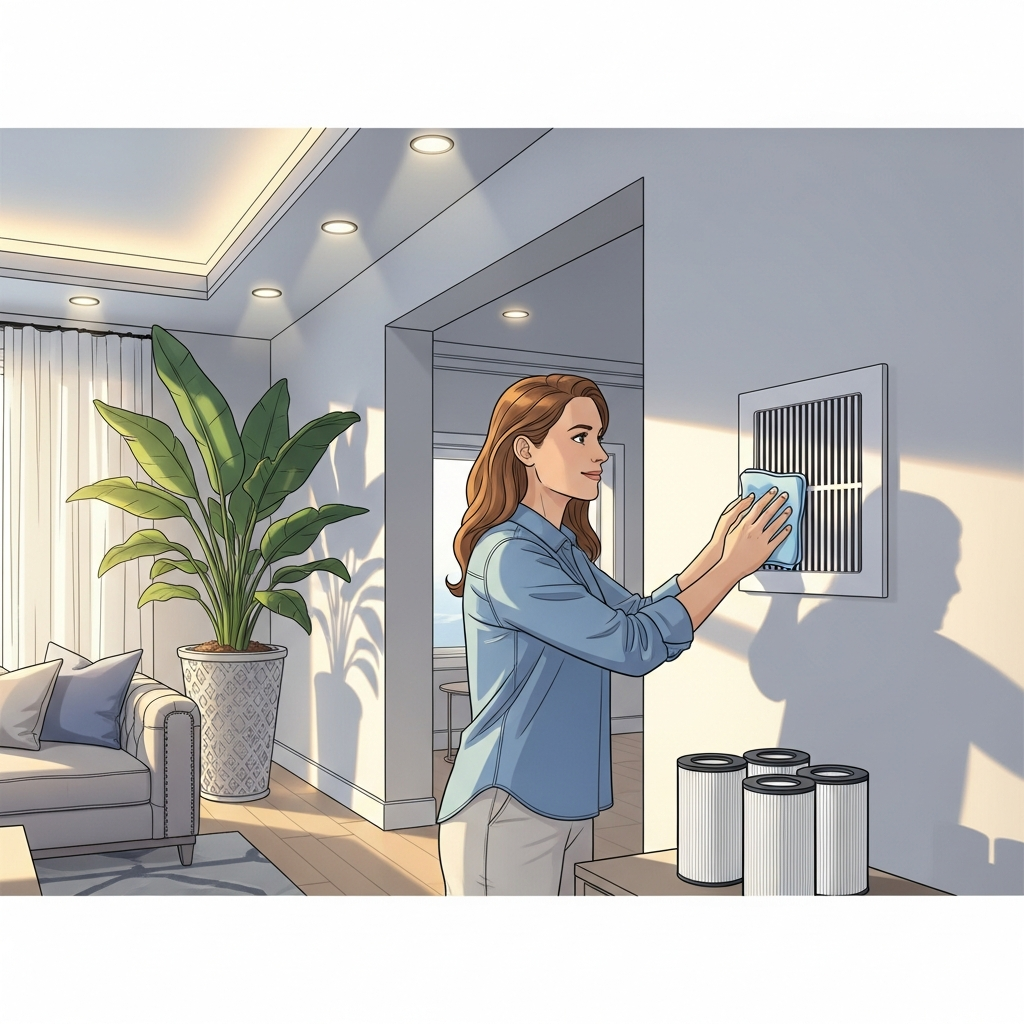
Returns are the lungs of your system. A return grille blocked by a decorative screen, a tall plant, or a freestanding bookcase will reduce airflow and cause noticeable imbalances. Once a month, take a slow lap through the house and verify each return is clear by several inches. Wipe grilles gently with a microfiber cloth to prevent dust from getting pulled into the frame edges where it can accumulate. In attic or crawlspace mechanical rooms, keep walkways clear and avoid stacking seasonal storage next to insulated duct runs. Compressing insulation—even slightly—reduces R-value and invites condensation on the hottest days.
Be proactive in the shoulder seasons
Our Beverly Hills climate gifts us with mild spring and fall stretches. Use those windows to schedule checkups and minor adjustments. Technicians can recheck static pressure, confirm damper positions, and verify that sealing tape and mastic at joints remain intact after summer heat expansion or winter contraction. If your home includes smart sensors or zoning, this is also the moment to fine-tune schedules as your daily patterns change with school calendars, travel, or entertaining.
For hillside properties, winds can push fine dust into every possible gap. A quick visual inspection of accessible ducts in the attic or mechanical spaces helps you catch any abrasion or loosened straps before they become issues. Fresh eyes on supports, hangers, and transitions ensure your ducts remain precisely where the designer intended them, preserving airflow and sound performance.
Respond rather than react during wildfire events
On smoke days, your priority is filtration and sealing. Close windows, set the system to circulate air through the filter, and verify doors to attics or mechanical spaces are shut. Resist the urge to overshoot thermostat setpoints; instead, let the system run a bit longer at a moderate setting so the filter can capture particulates effectively. After the event passes, inspect filters and consider an extra changeout. If your home includes dedicated fresh air or energy recovery ventilation, consult your installer on recommended temporary settings for smoky conditions.
Remember that brand-new ducts don’t prevent infiltration by themselves; they create the pathway for clean air to reach every zone. Your habits during these events—along with solid sealing and insulation—keep indoor air pleasant and protect finishes and textiles from odor absorption.
Watch for early signs and trust the data
Most modern systems can provide simple metrics like runtime, supply air temperature, or filter life estimates. If you’ve invested in smart home integration, enable notifications that align with your preferences, not generic factory defaults. For instance, if your home gym is sensitive to heat buildup, you might create a threshold alert that nudges you to check returns and diffusers in that zone after big gatherings or hot days.
Physical signs still matter. A faint rattle near a register could mean a poorly seated grille, not a duct issue, but it’s worth investigating. A warm spot in a ceiling on a cool day could suggest insulation compression over a duct run. Odors after long travel might simply be stale air, solved by a few hours of circulation, but persistent mustiness deserves a closer look to rule out a detached section in a rarely accessed chase.
Coordinate with other trades
Luxury homes see frequent updates—lighting changes, new millwork, added built-ins, or AV upgrades. Each of these can intersect with ducts. Before a contractor opens a soffit or carves space for a speaker array, review drawings that show duct paths and clearances. A clean notch on paper can become a crimped run in practice, and even a slight squeeze creates noise and robs airflow. Make a habit of sharing mechanical plans with any trade that might work near ducts, and ask them to flag conflicts early.
Frequently Asked Questions
How often should I schedule professional maintenance after duct replacement?
At least annually, with a spring or fall visit preferred. Homes with higher usage, multiple zones, or heavy entertaining schedules benefit from semiannual visits to confirm balance, inspect sealing, and verify insulation integrity.
Do new ducts reduce the need for duct cleaning?
They do. Tight, sealed ducts with proper filtration accumulate far less debris. Rather than routine cleaning, focus on filter changes, return cleanliness, and occasional inspections. Cleaning is generally reserved for specific events like construction dust infiltration.
What filter rating should I use?
Follow the rating your installer paired with your equipment and duct design. Many Beverly Hills homes comfortably run mid-to-high MERV filters thanks to improved sealing and low static. If you want to step up filtration, confirm that static pressure remains within design limits.
Why does my new system feel different room to room?
Some variance is normal in complex floor plans. If differences feel pronounced, it may be diffuser positioning, return placement, or thermostat zoning. A balancing visit can usually smooth those edges without hardware changes.
Can landscaping or exterior work affect my ducts?
Indirectly, yes. Dust from hardscape projects and plant pollen surges can load filters. Alert your HVAC provider before major exterior work so they can suggest filter changes or temporary settings that protect indoor air.
A well-maintained duct system rewards you every day with subtle, effortless comfort. If you want to put an expert maintenance plan in place—or simply confirm your settings align with your lifestyle—reach out to a trusted Beverly Hills team for tailored duct replacement guidance and schedule support that keeps your home performing at its quiet best.