
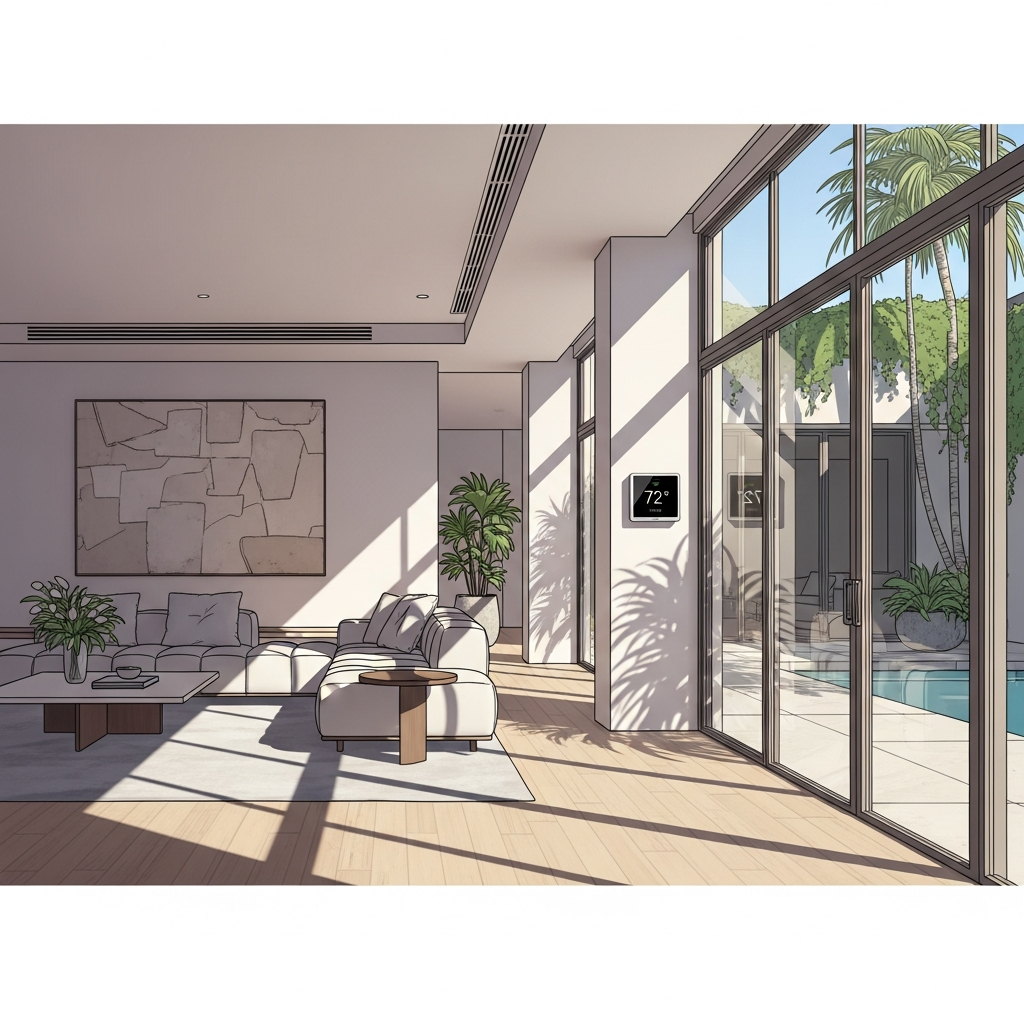
Choosing the best AC for a Beverly Hills home is a bit like tailoring a suit: the cut, the fabric, and the finish must match the wearer perfectly. Our city’s microclimates fold together warm canyon afternoons, shaded streets near the Flats, and the gentle marine influence that sometimes slips in by evening. Against that backdrop, the systems that shine here share a few traits: quiet confidence, flexible output, and the ability to shape airflow with finesse. Having evaluated equipment in villas with clay-tile roofs and contemporary residences with walls of glass, I can tell you that the best selections start with how you live and how you want each room to feel the moment you walk in. That process naturally leads to refined, resilient air conditioning solutions that turn hot days into quiet, comfortable ones.
Variable-Capacity Systems: Comfort That Adapts
In a climate where mornings are gentle and afternoons can lean warm, variable-capacity condensers paired with variable-speed indoor blowers deliver exceptional results. These systems modulate output in small steps, meeting real-time needs instead of powering on and off at full tilt. The experience is unmistakable: longer, quieter cycles, steadier temperatures, and better humidity control. Rooms hold their composure even when west-facing windows start to glow. For homes that prize serenity—libraries, bedrooms, or quiet conversation areas—this calm operation feels luxurious without calling attention to itself.
Thoughtful Zoning for Real-Life Living
Larger homes benefit when comfort is divided by use. A primary suite can be dialed in gently overnight while a detached studio or guest wing receives attention only when occupied. With good design, dampers and sensors orchestrate airflow like a conductor leading a symphony—no instrument overpowering the others, each coming in at the right moment. The result is comfort that feels personal rather than generalized, the very definition of a system chosen to fit the home and its rhythms.
Ductless Mini-Splits: Precision for Specialty Spaces
For rooms that resist ducted solutions—glass-enclosed additions, home gyms above garages, studios with sound isolation—ductless mini-splits offer pinpoint comfort. Today’s models operate quietly and integrate cleanly with modern or classic aesthetics. They shine in Beverly Hills’ many guest quarters and pool houses, spaces with unique schedules and loads that do not make sense to tie into the main system. Placement and line-hide strategies preserve the architecture while delivering immediate, calibrated cooling.
Heat Pumps: A Year-Round Ally
Because our winters are mild, heat pumps merit strong consideration. With a simple reversal of the refrigeration cycle, they provide heat when needed and cool efficiently all summer. In well-insulated homes or those with radiant heat that lacks summer cooling, a heat pump brings the advantage of one footprint for two comfort modes. Modern units operate with grace in our shoulder seasons, ramping gently to keep temperatures level without fuss.
Quiet by Design: The Sound of Comfort
The best system is the one you hardly notice. Outdoor units with sound-dampening features, compressors that start softly, and fans that move air with poise create a soundscape that never intrudes on garden dinners or late-night reading. Indoors, a variable-speed blower smooths out the rush of air. Ducts sized with care and routed with elegant turns prevent hissing at vents. In the best Beverly Hills installations, you experience the space, not the system.
Airflow Craftsmanship and Duct Strategy
Even the finest equipment stumbles without thoughtful ductwork. That means supply runs proportioned to each room, returns that let the system breathe, and joints sealed so cooled air reaches its destination without detours. In homes with long hallways or multilevel layouts, strategic returns prevent pressure mismatches that otherwise drive air to the easiest, not the right, path. The payoff is that subtle sense of equilibrium: the corner reading chair is as comfortable as the center of the room.
Controls that Complement Architecture
Controls become the interface between technology and daily life. Discreet thermostats or remote sensors positioned away from direct sun and drafts make smarter decisions. Scheduling aligned with your habits—cooler in the late afternoon, gentler overnight—lets equipment glide instead of sprint. When integrated well, controls do not call attention to themselves; they simply reflect the way you live and keep every space ready.
Indoor Air Quality: Clear, Calm Air
Clarity in the air defines quiet luxury. High-efficiency filters capture fine particulates and protect coils. When homes are sealed tightly, dedicated ventilation refreshes indoor air without sacrificing comfort. These elements are not afterthoughts; they are integral to the feeling of a home, influencing how fabrics rest, how rooms smell after a gathering, and how steadily comfort holds during a run of warm days.
Performance in Our Microclimates
From tree-shaded streets to sun-soaked canyons, performance priorities shift slightly. Homes that collect afternoon sun benefit from equipment that modulates deeply and ducts that deliver with precision to west-facing rooms. Properties tucked into canyons might emphasize filtration and coil cleanliness to counter seasonal dust. The common thread is agility: systems that respond softly yet decisively to changing conditions, maintaining that poised indoor calm Beverly Hills homeowners expect.
Installation Quality: Where “Best” Is Earned
Brand names attract attention, but the way a system is selected, installed, and commissioned defines real-world results. Load calculations, duct surveys, and a plan that respects architecture are the prelude. On installation day, careful routing, clean sealing, and exact measurements shape the outcome. Commissioning—verifying refrigerant levels, checking electrical health, testing airflow, and walking each room to confirm distribution—turns high-quality components into high-quality comfort.
Longevity and Care
The best system is also the one that ages gracefully. Filter access should be easy, condensate paths clear, and outdoor units placed so routine rinsing is simple. Annual checkups confirm that performance stays aligned with design. In practice, that means summers that feel smooth year after year, with only the gentlest touch-ups to keep everything in tune.
Real-World Scenarios from Local Homes
Consider a hillside home with large west-facing glass. A variable-capacity system paired with targeted returns and a touch of zoning transformed late-day heat spikes into even, quiet comfort. Or a classic Spanish with thick plaster walls and limited attic space: a hybrid plan using a compact ducted system for the core rooms and a ductless head for a sun-drenched studio achieved balance without architectural compromise. Each success began with listening—to the house and to the way its owners move through it—and then choosing technology that supports that rhythm.
Bringing It All Together
When equipment, ducts, and controls act as one, the home feels settled. You notice it most in the moments between moments: returning from a stroll along Beverly Drive and stepping into a living room that already feels right; winding down in a bedroom that holds its cool with ease; welcoming guests to a patio dinner without the drone of machinery nearby. Midway through summer, this harmony affirms that the system belongs, not as a feature but as a foundation, a quiet partner in daily living and gracious hosting. It is in these moments that a thoughtfully chosen system proves itself as the best choice, one that curates indoor life with refined air conditioning in every season.
Frequently Asked Questions About Choosing the Best System
Is a larger AC always better for faster cooling?
No. Oversized systems shut off too quickly, leaving humidity unchecked and creating temperature swings. Right-sizing matched to your home’s load delivers steadier, more satisfying comfort.
Do variable-speed systems really feel different?
Yes. They run longer at low levels, which smooths out temperature and sound. You experience fewer drafts at start-up and a more even cool across rooms.
What if my home has limited space for ducts?
Ductless mini-splits or compact ducted solutions can serve key rooms gracefully. A blended approach often preserves architecture while delivering precise comfort.
How important is installation quality compared to brand?
Installation quality is decisive. Even premium equipment underperforms if ducts are leaky or sensors are misplaced. A careful, well-commissioned install unlocks the full potential of any brand.
Can one system handle my whole home?
Sometimes, yes. In other cases, zoning or a combination of systems yields better results, particularly in homes with complex layouts, varied use patterns, or specialty spaces.
Start Designing Your Ideal Comfort
If you are ready to match technology to the way you live, let’s map your rooms, study your sun and shade, and build a plan that feels effortless day after day. From first walkthrough to final test, we will help you choose and commission a solution that blends into the home while elevating every moment. Begin the conversation and enjoy the ease of finely tuned air conditioning made for Beverly Hills.