
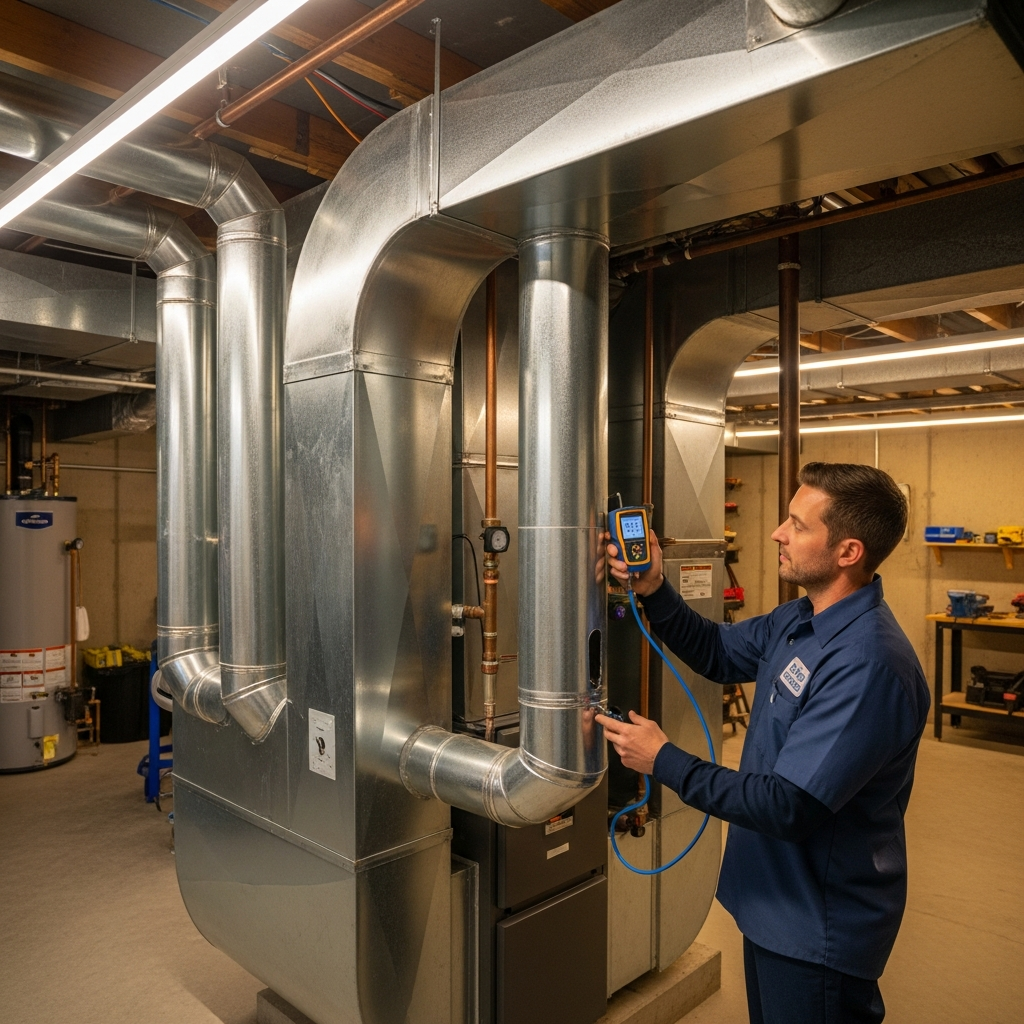
In Beverly Hills, the furnace often plays a quieter role than the cooling system, yet its ductwork has an outsized influence on comfort, noise, and the overall health of your home’s air. When homeowners consider the path to better winter warmth—and year-round airflow that supports cooling as well—the conversation naturally turns to the ducts that serve the furnace. The project is not just about swapping old lines for new; it is about aligning design, safety, and performance so the system breathes with ease. If you are beginning to map out your options, it can be helpful to review local expertise on duct replacement to understand how thoughtful planning turns technical details into everyday comfort.
Furnace-connected ducts carry heated air to rooms and return cooler air to be warmed again. When those pathways are sized correctly, sealed, and insulated, the result is a home that warms evenly with minimal sound or draft. Many Beverly Hills homes, especially those expanded over time, have ducts that reflect different eras of construction. You may see undersized returns, long runs with unnecessary bends, or materials that have simply reached the end of their useful life. Replacing these components becomes an opportunity to respect the architecture while elevating performance in quiet, noticeable ways.
The goal is straightforward: deliver the right amount of air to each room at a comfortable temperature, with static pressure that keeps the furnace operating in its ideal range. Achieving that requires a blend of thoughtful layout, careful sealing, and practical consideration for the spaces through which ducts must pass. It also means coordinating with gas appliances, combustion safety clearances, and the general realities of California homes that layer modern equipment onto classic designs.
Furnace Duct Design: Where Quiet and Comfort Begin
Every successful replacement starts with a design that gives the furnace an easy job. The supply plenum and main trunks should provide smooth, low-resistance pathways. Branches are sized to match the needs of individual rooms, and returns are placed strategically to ensure ample, balanced circulation. In many homes, a single central return is a legacy choice that limits comfort; adding well-placed returns can transform how the house feels on cooler mornings and evenings.
Noise control is a defining factor in furnace duct design. Sharp transitions, tight turns, or high static pressure can create whoosh or whistle that distracts from everyday quiet. Selecting the right materials for each section—rigid metal for straight trunks, well-supported insulated flex for gentle curves—and using smooth takeoffs and transitions mitigate turbulence. The result is a confident, quiet airflow that never calls attention to itself.
Local Architecture and Access Realities
Beverly Hills homes vary widely. Some offer expansive attics where ducts can be routed logically and neatly. Others rely on tight crawl spaces, partial basements, or concealed chases that require precision and finesse. The pathway from furnace to farthest room may include structural beams, historic finishes, or custom millwork that deserves careful protection. These details influence routing choices and the sequence of work, and they reward meticulous planning.
Hillside homes, in particular, can present long, elevation-changing runs. In these cases, attention to support spacing, insulation continuity, and return placement becomes even more important. The aim is to maintain pressure balance across levels, ensuring that upstairs, downstairs, and mid-level spaces receive consistent, measured airflow that keeps temperatures even.
Sealing, Insulation, and Static Pressure
Sealing and insulation are not optional afterthoughts; they are central to how a furnace duct system performs. Joints sealed with mastic, clean taping where appropriate, and airtight returns prevent heated air from escaping and unfiltered air from being pulled in. Insulation keeps air at its intended temperature during transit, which translates to rooms that feel right as soon as the system cycles on.
Static pressure—the measure of resistance the furnace must overcome to move air—deserves careful attention. A well-designed duct system keeps static within the manufacturer’s recommended range. This helps the blower motor operate efficiently, reduces noise, and supports the furnace’s longevity. Technicians can measure static pressure before and after replacement, using those readings to validate that the new layout is doing its job.
The Supply Plenum and Return Strategy
The supply plenum is the heart of the distribution system. Its shape and size influence how evenly air feeds into trunks and branches. A thoughtfully proportioned plenum with smooth takeoffs reduces turbulence, which in turn quiets the system. Returns complement the supply side by ensuring adequate air volume gets back to the furnace. In practice, that often means more return pathways than older homes possess. Bedroom returns, or at least clear transfer paths, can eliminate door-closed pressure imbalances that once caused rooms to feel stuffy or underheated.
Return grille placement affects acoustics and filtration access. Where possible, positioning returns away from echo-prone corners and selecting grilles that diffuse sound contribute to a calm soundscape. If you are upgrading filter cabinets, this is also the time to think about ease of maintenance. When filters are easy to reach, they get changed on schedule, and that supports performance during both the heating and cooling seasons.
Permits, Codes, and Combustion Safety
Furnace duct replacement intersects with safety and code considerations in meaningful ways. Proper clearances around gas appliances, correct sealing at penetrations, and adherence to energy code requirements are all part of a safe, durable installation. Permits and inspections create a documented baseline for the work. For homeowners, that translates to confidence that the system respects both the furnace’s needs and the home’s structure.
Combustion safety checks may be part of the process, particularly if return air pathways have changed. Ensuring that the furnace operates with the right air supply and that exhaust paths are unobstructed is non-negotiable. These checks are quick but vital, and they are most effective when built into the project plan from the start.
Installation Sequence and What to Expect
The work typically begins with a detailed assessment of the existing distribution system and measurements of static pressure and room-by-room airflow. Removal is handled carefully to contain dust and protect finishes. New plenums, trunks, and branches are fabricated and installed, with supports that maintain alignment and prevent sagging. Sealing is performed as connections are made, and insulation is applied with attention to continuity and jacket integrity.
Once the system is in place, technicians run the furnace through operating cycles while measuring pressure, airflow, and temperature rise. Register adjustments and balancing dampers are tuned to deliver even comfort. This is also when you will review filter locations, access points, and any new grilles or registers. A clean, orderly mechanical area and clearly labeled components make ongoing maintenance straightforward.
Comfort You Can Feel in Every Room
One of the most immediate differences homeowners notice after a furnace duct replacement is steadier warmth. Rooms that once lagged behind begin to match the rest of the home. Door-closed pressure issues, common in older layouts with limited returns, recede. The system cycles with confidence rather than rushing and stopping abruptly. In family spaces, that translates to evenings where the temperature stays consistent from kitchen to den, and in bedrooms, it means better sleep in a quieter, draft-free environment.
The benefits extend beyond heating season. Because the duct system serves cooling as well, you will enjoy improved performance year-round. Balanced returns and fewer leaks mean the blower moves air with less effort and less sound, making the home feel calmer in every season.
Working With a Beverly Hills Team
Local experience is a real asset when furnace ducts run through distinctive architecture and finishes. A team accustomed to Beverly Hills properties will plan protection, staging, and communication that respects your routines. They will also align the project with local permitting, inspection schedules, and the realities of access in hillside neighborhoods or homes with limited parking and tight approaches.
Before reaching out, many homeowners like to ground their expectations by reviewing trusted local information about duct replacement. Understanding how design, sealing, and testing come together makes conversations with contractors more productive and your decisions more confident.
Maintenance and Long-Term Peace of Mind
After the work is complete, ongoing care focuses on filter management, seasonal service, and periodic checks of accessible ducts. Balanced systems tend to remain stable, but a brief review during routine HVAC maintenance is wise, especially after changes in furniture layout or room use. With sealed, insulated ducts delivering balanced airflow, you should find your home warmer, quieter, and easier to keep clean during cooler months.
Furnace duct replacement is ultimately an investment in everyday life. It is about quiet comfort, clear air, and a system that does its work without calling attention to itself. When design leads the way and installation follows with care, the result is a home that feels more like itself—only better.
Frequently Asked Questions
Homeowners weighing a furnace duct project often share similar questions. These answers reflect what matters most in Beverly Hills homes.
Do I need additional returns when replacing furnace ducts?
Often, yes. Many older homes rely on a single central return that limits airflow and creates pressure imbalances when doors are closed. Adding returns or ensuring clear transfer paths allows the furnace to breathe and distribute heat evenly.
Will new ducts make my furnace quieter?
They can. Correct sizing, smooth transitions, and reduced static pressure all lower noise. The goal is calm, confident airflow rather than a rush that signals restriction. You will likely notice quieter operation during both heating and cooling seasons.
What role does the supply plenum play?
The plenum distributes air from the furnace to the main trunks. Its size and geometry shape turbulence and pressure. A well-proportioned plenum with smooth takeoffs supports even, quiet airflow to every branch.
How long does a typical replacement take?
Durations vary with accessibility and home complexity. Projects are planned to minimize disruption, with clear daily schedules and isolation of work areas. Your contractor will outline milestones, including testing and balancing at the end.
Can duct replacement improve indoor air quality in heating season?
Yes. Sealed returns reduce the chance of drawing dust from attics or crawl spaces, and sealed supplies prevent conditioned air from leaking. With clean filters and balanced airflow, the system delivers fresher air and steadier comfort.
What should I do after installation?
Follow filter replacement intervals, schedule routine HVAC service, and keep supply registers unobstructed. If your usage patterns change—like converting a room into a home office—ask your technician to reassess balancing during a service visit.
If you are ready to bring quiet confidence to your home’s winter warmth and year-round airflow, connect with a local team that leads with design and follows through with meticulous installation. Start the conversation today by exploring well-vetted guidance on duct replacement and scheduling a home visit at your convenience.