
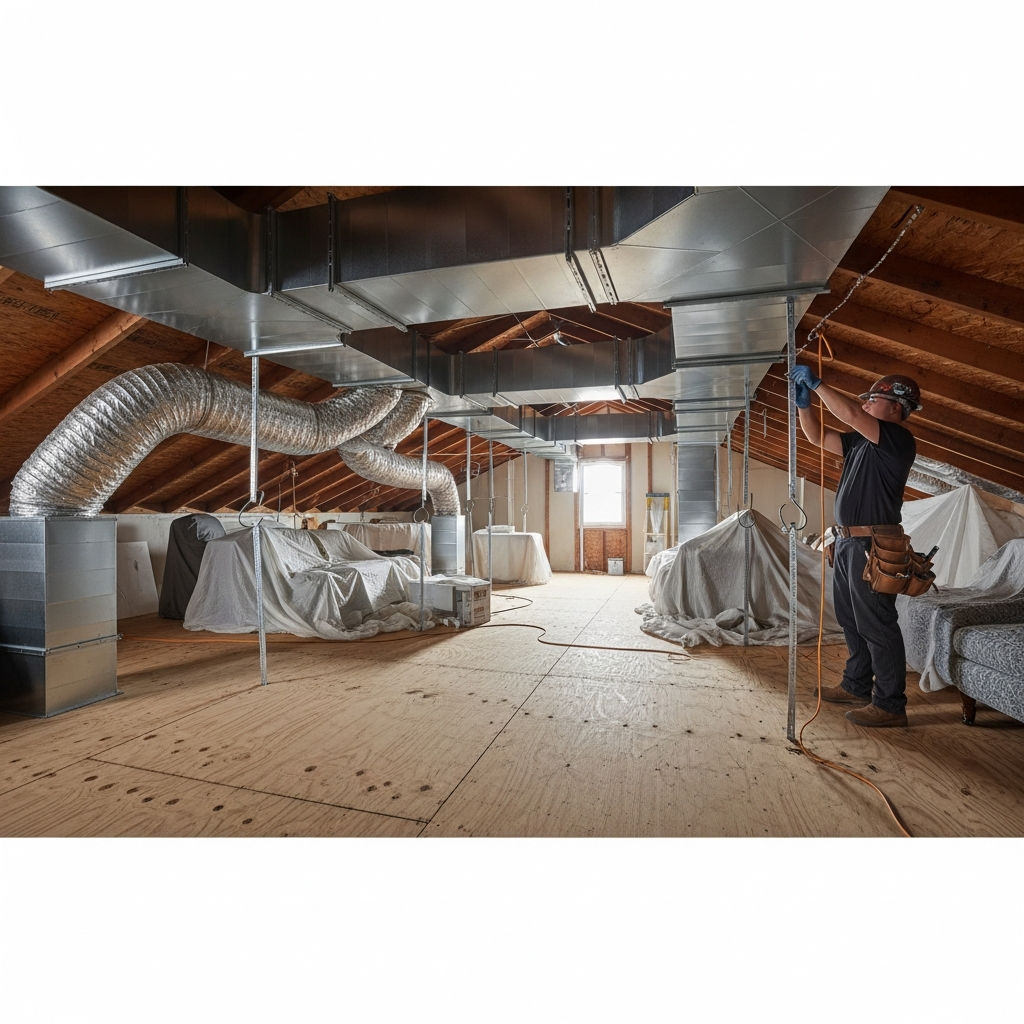
Residential duct replacement in Beverly Hills is about creating a home that feels right the moment you step inside. From ranch-style classics to hillside retreats tucked into the canyons, our homes have personality and practical needs that shape every decision behind the walls and above the ceilings. When families start exploring what it takes to refresh or reimagine their ductwork, they want straight talk, a local perspective, and a roadmap that respects their home’s unique character. If you are beginning that journey, one of the best ways to get oriented is to review trusted local guidance on duct replacement so you can see how design, materials, and the realities of our climate come together in a well-executed project.
While the word “replacement” sounds simple, the process is an opportunity to improve comfort, quiet operation, and air quality in ways a quick fix rarely can. The right approach aligns with the way your family lives—how you use bedrooms and home offices, which rooms soak up afternoon sun, where you gather on the weekends. These patterns inform the design, guiding air where it is needed and doing it without fuss or noise.
In Beverly Hills, residential projects run against a backdrop of architectural variety. Some homes have broad, accessible attics where straight, well-supported runs are possible. Others weave ducts through tight chases, crawl spaces, and carefully finished ceilings. The first step is always to listen to the home: measure pressure, map existing routes, note finishes and access points, and understand what you like about your current comfort and what you would change. That becomes the basis for a plan that elevates everyday living.
Design Comes First in Residential Work
For homeowners, the most meaningful improvements start with design. Sizing trunks and branches to match room-by-room airflow needs ensures that bedrooms, living areas, and corner spaces feel equally comfortable. Returns are just as important as supplies; the right balance enables quiet, efficient circulation. Simple adjustments like moving a supply to wash a window wall or adding a return near a home office can resolve long-standing hot spots or stuffy corners.
A design-driven approach also accounts for noise. Many of us work from home or keep irregular hours, and a whisper-quiet system is a priority. Smooth transitions, minimizing hard turns, and using the correct duct type in the right location—rigid where durability and low resistance matter, high-quality insulated flex where flexibility and gentle bends are required—create a calm acoustic backdrop. The goal is a home where the comfort is felt, not heard.
Local Architecture, Real-World Access
Older homes in Beverly Hills may have legacy ducts from earlier renovations or systems sized for equipment long since replaced. Hillside properties sometimes rely on crawl spaces or narrow service corridors where careful routing and staging are essential. In single-story homes with open attics, ducts can be laid out cleanly with supports that keep runs straight and insulation intact. In two-story homes without attic access to lower floors, a replacement may require strategic use of chases, closets, and soffits that blend into the architecture.
Because every residence is different, it is useful to think of your project as custom work guided by proven principles. Protection of finishes, dust management, and respectful daily cleanup are not extras in this neighborhood—they are expectations. A team accustomed to working in Beverly Hills will anticipate protection needs, coordinate with other trades when necessary, and keep you informed about daily progress so the process feels predictable.
Why Sealing and Insulation Change the Experience
Even beautifully laid out ducts cannot shine if joints leak or insulation is compromised. Properly sealed connections prevent conditioned air from escaping into attics or crawl spaces. This pays off in comfort you can feel at the registers and reduced strain on your equipment. In our warm summers, attic temperatures can be substantial, making the quality and integrity of exterior insulation especially important. Keeping air at its intended temperature until it reaches the room makes a world of difference.
Good sealing also protects indoor air quality. Leaky returns can pull dust and attic air into your system, redepositing it in living areas. With tight returns and clean filters, you are more likely to enjoy a home that looks and feels cleaner between regular maintenance. For families with pets or sensitivities, this is a practical, daily benefit.
Permits, Codes, and Documentation
Residential duct replacement interfaces with building and energy codes designed to promote safety and performance. Pulling permits and arranging inspections creates a documented record for your home and ensures an extra set of eyes on the work. Inspectors verify that routing is sensible, supports are adequate, and connections are sealed. A contractor accustomed to Beverly Hills processes will plan inspections at logical milestones and keep the project moving.
Documentation benefits you long after the final day of work. Layout sketches, photographs, and post-installation readings help future technicians understand the system quickly and service it efficiently. If you sell your home, that documentation becomes part of your story of care and quality improvements.
The Sequence: From Assessment to Balance
Most residential projects begin with a thorough assessment: measuring space conditions, mapping ducts, and discussing comfort goals. Once the design is set, old ducts are removed carefully, with an eye toward dust control and protection. New trunks, branches, and returns are installed methodically, with supports that keep lines straight and maintain insulation thickness. Sealing is done as work progresses so every connection is tight before insulation jackets are closed.
After the physical work is complete, testing begins. Technicians measure static pressure, confirm that airflows at registers align with the design intent, and fine-tune balancing dampers. This step turns a good installation into a system that feels tailored. It is also the time to review filters, access points, and the simple habits that keep performance steady season after season.
Comfort, Quiet, and Everyday Living
The best compliment an HVAC system can receive is being unnoticed. Rooms hold steady temperatures without drafts, conversations require no extra volume when the system runs, and a quiet hum replaces the rush or whistle that can accompany poorly sized or sealed ducts. Many Beverly Hills homeowners also notice that previously difficult rooms—sunny corners, converted garages, tucked-away studies—suddenly become some of the most comfortable spaces in the house. That is what design, sealing, and careful installation deliver together.
It is common to pair duct replacement with register and grille updates. In some homes, original grilles are part of the design language and can be retained. In others, newer styles offer quieter performance or a look that complements updated finishes. The choice serves both function and aesthetics, and the right solution is the one that suits your eye and your ear.
Working With a Local Team You Trust
At the heart of any residential project is trust. You are inviting a team into your home, often around family routines, pets, and treasured belongings. The right contractor listens carefully, explains the “why” behind design choices, and lays out a schedule that respects your time. Local experience adds practical insight—like how to stage materials to minimize foot traffic, when to sequence attic work to avoid peak heat, and how to coordinate with painters or finish carpenters if openings are needed.
Before conversations begin, many homeowners find it helpful to ground themselves in the basics. Reviewing local resources about duct replacement provides vocabulary and context, making it easier to ask focused questions and evaluate proposals. It is a small step that pays off during the design and planning phase.
Special Considerations: Condos, Additions, and Guest Suites
In multifamily settings or condos, coordination with building management, quiet hours, and shared infrastructure is essential. Duct routes may be constrained by fire-rated assemblies and common chases. In single-family homes with additions or guest suites, separate returns or even dedicated zones can make spaces feel equally comfortable without overworking the main living areas. The right choices emerge from how you use your home—guest rooms occupied only on holidays require different attention than a studio or office used daily.
Hillside properties often bring both incredible views and practical challenges. Access to equipment and duct paths can be narrow or steep. Lift plans, protection for landscaping, and careful material handling make all the difference. Inside, multi-level zones benefit from balanced returns and mindful placement of supplies. When rooms at different elevations are conditioned by a single system, small adjustments to duct routing can equalize comfort in ways that feel almost magical.
After the Work: Maintenance and Peace of Mind
Once new ducts are installed, ongoing care is mainly about filters and annual checkups. Clean filters keep airflow steady and protect your equipment. During routine service, technicians can verify static pressure and revisit balancing if room usage has changed. With sealed, insulated ducts, the system should require minimal attention, but an occasional look at accessible sections ensures supports remain straight and jackets intact.
Homeowners often notice cleaner surfaces and reduced dust a few weeks after replacement, particularly if leaky returns were part of the old system. If anyone in your household is sensitive to allergens, the improvement is both visible and felt. These are the everyday benefits that make the project feel worthwhile beyond the technical details.
Choosing Quality Over Quick Fixes
It is tempting to focus on visible components and overlook the less glamorous details of duct geometry, sealing, and support. Yet these are the very elements that shape your experience. A careful layout, proper materials for each section, and deliberate sealing create a system that simply works. For families, this translates to quieter nights, steadier sleep temperatures, and a home that welcomes you after a long day without a second thought.
Quality also shows up in documentation and transparency. Photos of critical stages, airflow readings, and clear instructions on filter maintenance give you ownership of the system. If you move in the future, those records become part of your home’s story and signal care to prospective buyers.
Frequently Asked Questions
These answers reflect common concerns among Beverly Hills homeowners planning residential duct work and the realities of living with a system designed for daily life.
How disruptive is residential duct replacement day to day?
Expect some daytime activity and brief periods when heating or cooling is paused. The right team isolates work areas, protects finishes, and tidies at day’s end so your home remains livable. Clear schedules and communication reduce surprises.
Will new ducts make certain rooms more comfortable?
Yes, particularly if those rooms were previously underserved or received turbulent airflow. A design that addresses room-by-room needs, with adequate returns and balanced supplies, brings uniform comfort to spaces that once felt like outliers.
Do I need to replace registers and grilles?
Not necessarily. Some can be retained for aesthetics, while others may be upgraded for quieter performance or better throw. The decision hinges on your goals for look and sound, and on how well existing components match the new design.
How important is testing and balancing after installation?
It is essential. Testing verifies that the system performs as designed, and balancing fine-tunes room-by-room airflow. Skipping this step risks leaving comfort on the table. The difference between “works” and “works beautifully” often lies here.
Can tighter ducts improve indoor air quality?
Yes. Sealed returns avoid pulling dust from attics or crawl spaces, and sealed supplies deliver conditioned air without leakage. Pair that with clean filters and you will likely notice less dust and a fresher feel in the home.
What should I prepare before the crew arrives?
Clear access to attics, mechanical areas, and rooms where registers will be updated helps the team move efficiently. Pets should be secured, and sensitive items protected or temporarily relocated. A few simple steps make for a smooth experience.
When you are ready to transform everyday comfort with a plan that fits your home and routines, connect with a local specialist who treats design as the foundation. Start the conversation with trusted insights into duct replacement and schedule a visit that respects your time and expectations.