
The Clean Slate: What Comes After Duct Cleaning
There is a particular kind of quiet that settles over a Beverly Hills, California home after a meticulous duct cleaning. Air moves with less effort, rooms smell pleasantly neutral, and surfaces seem to stay dust-free a little longer. That fresh baseline is worth protecting. As a local who has watched homes from the flats to the hills maintain that just-cleaned feeling, I have learned that what you do next determines how long the benefits last. Post-service routines do not have to be complicated; they simply need to be consistent, thoughtful, and tuned to your household. The right plan, paired with occasional air duct cleaning at informed intervals, can keep your interior environment remarkably steady.
Think of duct cleaning as resetting the canvas. Your filters, coils, blower, and registers now work from a state closer to their design intent. To maintain that harmony, the goal is to minimize new debris entering the system, capture what does, and keep airflow paths clear and predictable. The following insights reflect what has proven effective in Beverly Hills homes across architecture styles and household rhythms.
Filtration: The First Line of Defense
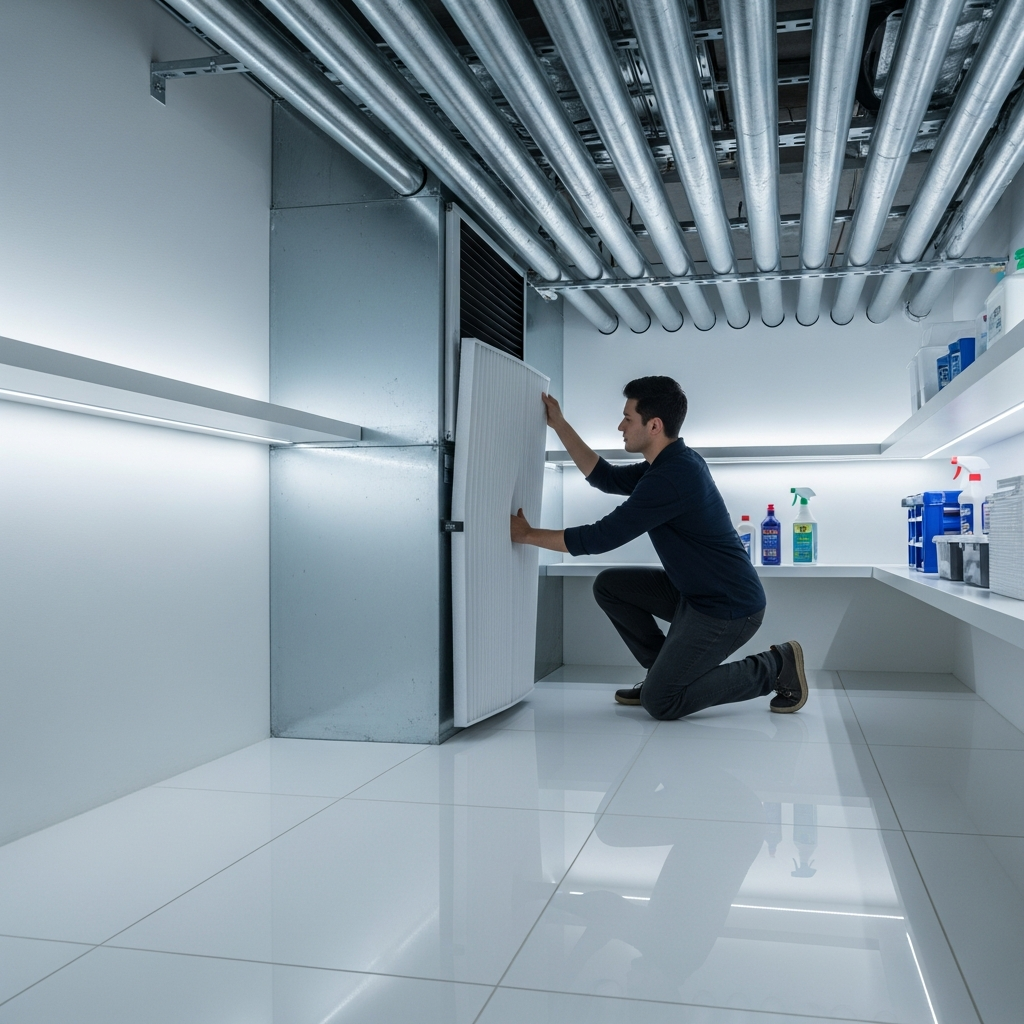
Once the ducts are clean, filters become the guardians of that investment. Choose filters that match your equipment’s capabilities and your lifestyle. Higher-efficiency media filters can capture smaller particles without creating excessive resistance when paired correctly with your system. After a cleaning, set a fresh schedule for filter changes based on your home’s realities—pets, open doors to terraces, and frequent entertaining may mean more frequent replacements than the manufacturer’s generic guideline suggests.
Check filters within a few weeks of cleaning to establish a baseline. If they already show significant loading, investigate return leakage or unusual dust sources. Catching these clues early keeps your system operating in the sweet spot where comfort and efficiency meet.
Mind the Returns and Grilles
Returns are the lungs of your home. Keep them clear of furniture, draperies, and decorative screens that can choke airflow. After cleaning, wipe registers and grilles gently every so often to remove the light film that accumulates from everyday living. This small habit prevents the build-up that, over months, can begin to restrict flow again and reintroduce dust into the system at the source.
In homes with concealed or custom grilles—a common feature in Beverly Hills interiors—schedule a quick visual check. Ensure hinges and fasteners are snug and that any acoustic linings remain intact. If a grille rattles or vibrates at startup, it may be a sign of renewed restriction or a loose component downstream.
Fan Schedules and Gentle Circulation
Post-cleaning, many homeowners adopt low-speed circulation schedules that keep air gliding through filters during the day without constant temperature shifts. This practice maintains freshness and helps rooms feel balanced, particularly in multilevel homes where stratification can occur. It also reduces the start-stop pattern that can release dust from duct surfaces when fans accelerate rapidly. Gentle circulation, paired with clean ducts, is one of the quiet pleasures of a well-tuned system.
On days when outdoor air quality dips—after windy conditions or during regional wildfire haze—consider extending low-speed circulation to maintain a steady pass through filters while keeping windows closed. This small adjustment preserves the neutral scent you noticed after cleaning and keeps micro-particles from lingering indoors.
Coils, Drains, and the Moisture Equation
Your cleaning likely included attention to the blower compartment and coil cabinet. Keep that momentum by ensuring condensate drains remain clear and pans dry properly. A quick seasonal check prevents the moisture-plus-dust cocktail that leads to grime and subtle odors. If your home includes spa areas or an indoor water feature, take a moment to verify that nearby returns are not drawing damp air excessively. Balanced humidity keeps ducts and coils cleaner for longer and helps finishes throughout the home feel their best.
Homeowners are often surprised by how much comfort improves when coils stay clean. The system achieves setpoints with less effort, which means less turbulence in the ducts and a quieter experience in living spaces. That calm is exactly what we are preserving with good post-cleaning habits.
Protecting Fine Interiors
Beverly Hills interiors showcase craftsmanship—plasterwork, stone, silk, and bespoke millwork. To prevent new dust from entering the system, adopt gentle practices: entry mats that capture grit before it travels inside, careful use of candles, and mindful housekeeping products that do not leave heavy residues. When less particulate is generated indoors, filters and ducts stay cleaner, and your housekeeping becomes easier. It is a virtuous cycle that keeps rooms photo-ready without constant fuss.
For homes with pets, regular grooming and vacuuming with high-filtration machines reduce the load that would otherwise migrate to returns. Many homeowners notice that once ducts are clean, the home seems to “ask” for less work—the result of reduced recirculation of dander and fibers.
Post-Renovation Vigilance
If you embark on even a modest renovation after your cleaning—a refreshed bath, a new built-in, or landscape masonry—assume dust will try to hitch a ride into the system. Protect returns during active phases and consider a targeted inspection when the work is complete. Catching construction residue early prevents a wide distribution that can undo the clarity you achieved. The sooner you address it, the less likely you are to notice that faint, chalky film returning to glass and lacquered surfaces.
Contractors accustomed to working in Beverly Hills understand these expectations and will coordinate protection and cleanup with your HVAC professional. Set the tone by asking for that collaboration at the outset.
Documentation and IAQ Feedback
Maintain a simple, useful record of your system’s state. Note filter changes, any unusual odors, and the dates of IAQ monitor readings if you use them. Over time, patterns emerge: you will see how gatherings, seasonal winds, and travel windows interact with your home’s comfort. These observations make it easier to schedule the next duct cleaning at the right moment, not just the next calendar square.
In larger homes with staff, share these notes so that everyone responds consistently. A house that feels calm is a house that runs on routine, and routines are easier when information is clear and visible.
When to Call for an Inspection
Even with the best habits, there will be moments when something feels off. Perhaps the theater room runs stuffy again or a guest suite takes longer to cool. Treat these as prompts for a quick inspection rather than problems to wait out. A skilled technician can identify whether dust has begun to accumulate in a specific branch, a damper shifted, or a return is partially obstructed. Addressing small issues quickly is the art of preserving that just-cleaned feeling month after month.
Wildfire season is another trigger. If the skies have been hazy, check your filters sooner than planned. If they show heavy loading, let that inform your next steps: adjust fan schedules, keep windows closed during peaks, and consider an earlier-than-planned checkup to keep your ducts in pristine condition.
Setting a Sustainable Rhythm
The best maintenance plans feel natural. If you entertain heavily in spring and travel in late summer, tune your routines to that rhythm. Replace filters before guests arrive. Schedule a brief system check before you lock up for a trip. When you return, your home will greet you with the same neutral, calm air you left behind. That is the quiet luxury of a well-kept Beverly Hills home.
Remember, duct cleaning is not a standalone event; it is a chapter in the story of your home’s comfort. The following chapter is yours to write with simple actions that keep the air moving smoothly and cleanly where you live, work, and rest.
FAQ
Q: How soon should I change filters after a duct cleaning? A: Start fresh with a new filter at the end of service, then check it within a few weeks to establish how quickly your home loads filters under normal routines.
Q: Can I run my fan continuously after cleaning? A: Many homeowners use low-speed circulation to maintain freshness. Ensure your system is configured to handle continuous or extended operation comfortably.
Q: What if I notice odors returning? A: Investigate quickly. Check filters, confirm drains are clear, and consider a focused inspection of returns and coil cabinets to catch any early accumulation or moisture issues.
Q: Do I need another cleaning after a renovation? A: If construction produced dust, a post-project inspection is wise. Targeted cleaning in affected zones protects your broader system from recirculating debris.
Q: How do I keep staff aligned on maintenance? A: Create a simple log for filter changes, IAQ readings, and notes. Consistency among everyone who cares for the home preserves the results you invested in.
Keep Your Home Feeling Newly Refreshed
When it is time to sustain that clear, neutral air and protect the investment you made in your system, coordinate with trusted local professionals for timely air duct cleaning and thoughtful follow-through. With a steady rhythm in place, your Beverly Hills home will reward you with quiet comfort every day.