
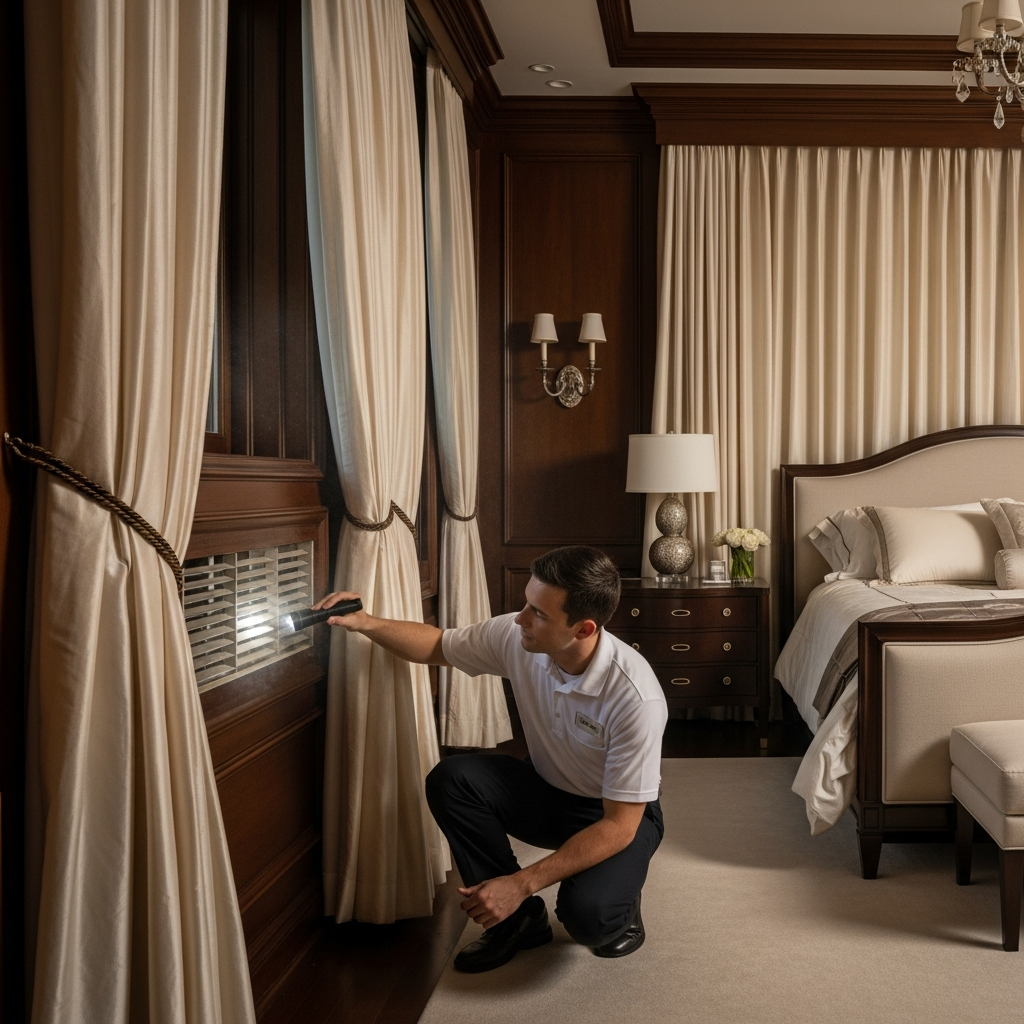
Seeing the Unseen in Beverly Hills Homes
From the flats to hillside perches, Beverly Hills, California properties share a common goal: effortless comfort. Achieving that goal depends on infrastructure we rarely see—the ductwork that threads behind stone, plaster, and millwork. After years of walking attics and mechanical rooms across our neighborhoods, I have noticed patterns in the issues that creep into ducts and the ways they express themselves inside our living spaces. Understanding these common issues makes it easier to solve them and to plan maintenance that keeps your home feeling like a sanctuary. Addressing them often begins with thorough air duct cleaning, followed by adjustments that prevent a quick return of the same problems.
Our climate encourages open doors and windows, terrace dinners, and poolside gatherings. The same breezes that make evenings comfortable can usher in fine dust and pollen. In homes with long runs and intricate layouts, that debris travels farther and settles in places we do not think to check. Over time, those hidden layers become the source of many everyday frustrations—stale smells, uneven temperatures, and a quiet film of dust that seems to return after every cleaning.
Dust Reservoirs and Lingering Odors
One of the first complaints homeowners share is persistent odor: a faint mustiness when the system starts or a stale note in bedrooms after a day with the windows closed. The culprit is often dust reservoirs in returns and supply trunks. Dust does not simply sit; it absorbs and re-emits household aromas. A thorough cleaning removes this source, and the difference is usually immediate—the home smells like nothing at all, which is the most luxurious scent of all.
Candles, fireplaces, and even certain cleaning products contribute fine particulates and compounds that stick to dust. When this material accumulates, the system becomes a conveyor of those scents. After cleaning, occupants often remark that yesterday’s cooking or last night’s perfume leaves no trace by morning.
Uneven Airflow and Hot-and-Cold Spots
Beverly Hills properties often span multiple levels with dramatic volumes and unique architectural lines. Ducts snake through tight spaces and around structural features. Over time, dust and debris reduce interior diameters or clog turning vanes and dampers, which increases static pressure and makes some rooms run warm while others run cool. Flex ducts can also sag or kink, exacerbating the problem. Cleaning is the first step to restore airflow; it should be followed by a careful check of balancing dampers and, sometimes, gentle rerouting or support for flex sections.
When airflow is restored, the system’s variable-speed components can do their job more gracefully, ramping less aggressively and maintaining setpoints with quieter confidence. The occupant-facing benefit is immediate: bedrooms feel more consistent, media rooms do not run stuffy during a long film, and home offices stay alert and fresh.
Return-Side Leaks and Attic Dust
Another frequent issue is return leakage, especially in older or retrofitted homes. When returns are not perfectly sealed, the system pulls in dusty attic or crawlspace air. Residents notice this as a fine, persistent dust on furniture or as filters that load up far faster than expected. A cleaning will remove the current load, but the long-term solution is sealing the returns and any joints that allow unconditioned air to sneak in.
In estates with multiple returns, even small leaks add up. A systematic check during or after cleaning, followed by sealing with appropriate materials, protects the fresh baseline you just established. The goal is to make the system draw only from intended in-room pathways, where air is already filtered and conditioned.
Moisture, Pans, and Coil Cabinets
Where dust meets moisture, grime follows. Condensate pans, coil cabinets, and nearby insulation can collect a mixture of particles and humidity that produces stubborn films and, occasionally, microbial growth. Regular inspection and cleaning of these areas, paired with clear drains and correct pitches, keep the system sanitary. Homeowners often underestimate the impact that a slightly dirty coil can have on comfort; cleaning it improves heat exchange and reduces runtimes, which in turn keeps ducts drier and less prone to odor issues.
In spa areas or homes with indoor water features, it is especially important to control humidity and ensure that adjacent ducts are dry and clean. Good airflow, clean surfaces, and well-functioning drains keep these luxurious spaces from creating problems elsewhere in the home.
Construction Residue and Renovation Dust
Our neighborhoods are constantly renewing themselves. Even when the work is next door, fine dust finds pathways into your home and, ultimately, your returns. If you have renovated recently—new kitchen, refreshed bath, or landscape overhaul—assume that dust has entered the system. Post-project duct cleaning resets the interior environment and prevents extended recirculation of the very particles you just paid to remove from your living spaces.
Contractors who understand this will coordinate with HVAC professionals to protect returns during active phases and to schedule cleaning once the messiest work is complete. The result is a home that feels truly finished, not just visually, but in the way it smells and breathes.
Pets, Fabrics, and Fine Interiors
We love our pets and our textiles in Beverly Hills—plush rugs, velvet sofas, layered draperies. These materials add warmth and character, and they also shed fibers and trap dander. Over time, these components become part of the dust story, especially when air passes over and through them daily. A thorough cleaning reduces the recirculation of fibers and lightens the load on filters, which in turn helps maintain the crisp look of fabrics and finishes.
Homeowners often tell me that the house stays tidier longer after cleaning. Dusting becomes less frequent, glass balustrades stay clearer, and mirrors seem to resist that quick film that once reappeared like clockwork. Those small wins add up to a lived-in elegance that defines the Beverly Hills standard.
Wildfire Haze and Residual Particulates
Seasonal wildfire events introduce ultra-fine particles that seep into even well-sealed homes through everyday comings and goings. Once inside, they can embed in dust layers and release their faint, smoky note when the system warms up. Removing those reservoirs through cleaning helps eliminate the lingering “day after” smell and returns the home to its expected neutrality. Pair that clean baseline with appropriate filters and gentle circulation schedules during poor outdoor air days to keep interiors serene.
Some residents also find it beneficial to check and replace filters more frequently following wildfire events. This practice aligns with the larger goal: keep the duct system clean so that filters can do their job effectively and with predictable intervals.
When Cleaning Reveals More
Occasionally, a cleaning reveals underlying issues—damaged internal insulation, loose connections, or a poorly sized branch serving a distant room. The silver lining is clarity. With the debris removed, airflow tests and inspections are more accurate, and solutions become easier to target. Whether it is adding support to a sagging flex line or sealing a seam, taking corrective action locks in the gains you feel immediately after cleaning.
Documentation helps here. Photos of problem spots and notes about air velocity guide future service. For homeowners managing multiple properties, this kind of clarity is invaluable in setting priorities and budgets.
Mid-Cycle Maintenance That Works
Between full cleanings, small habits keep issues from returning. Keep returns unobstructed by furniture or drapery hems. Replace filters on a schedule that matches your household’s reality—pets, entertaining, and outdoor exposure all shorten intervals. Consider low-speed fan circulation to maintain freshness without constant temperature swings. And when a faint odor or subtle imbalance returns, act early; a quick inspection may prevent the need for a full service ahead of schedule. When in doubt, consult trusted local teams for timely air duct cleaning guidance that fits your home.
FAQ
Q: Why does dust return so quickly after I clean my home? A: Hidden reservoirs in returns and ducts can reintroduce particles. Removing them reduces the cycle of settling dust you see on surfaces.
Q: Can duct cleaning fix rooms that are always warmer or cooler? A: Cleaning restores airway diameters and can help, especially when debris is restricting flow. Lasting results may also require balancing or minor duct adjustments.
Q: Will cleaning help with that faint musty smell? A: Often, yes. Eliminating dust that has absorbed household odors and checking moisture-prone areas like pans and coil cabinets usually resolves subtle smells.
Q: Do I need to clean after a renovation if I protected the vents? A: Protection helps, but fine dust is persistent. A post-project cleaning ensures your system does not recirculate particles left behind.
Q: How do I keep results lasting? A: Pair cleaning with sealed returns, appropriate filtration, and steady maintenance such as timely filter changes and clear return grilles.
Restore Your Home’s Quiet Confidence
When your property is ready for a reset—from eliminating stubborn odors to smoothing out airflow—choose experienced local professionals who respect finishes and operate with discretion. Schedule trusted air duct cleaning and enjoy the ease of a home that looks, smells, and feels the way Beverly Hills living should.