
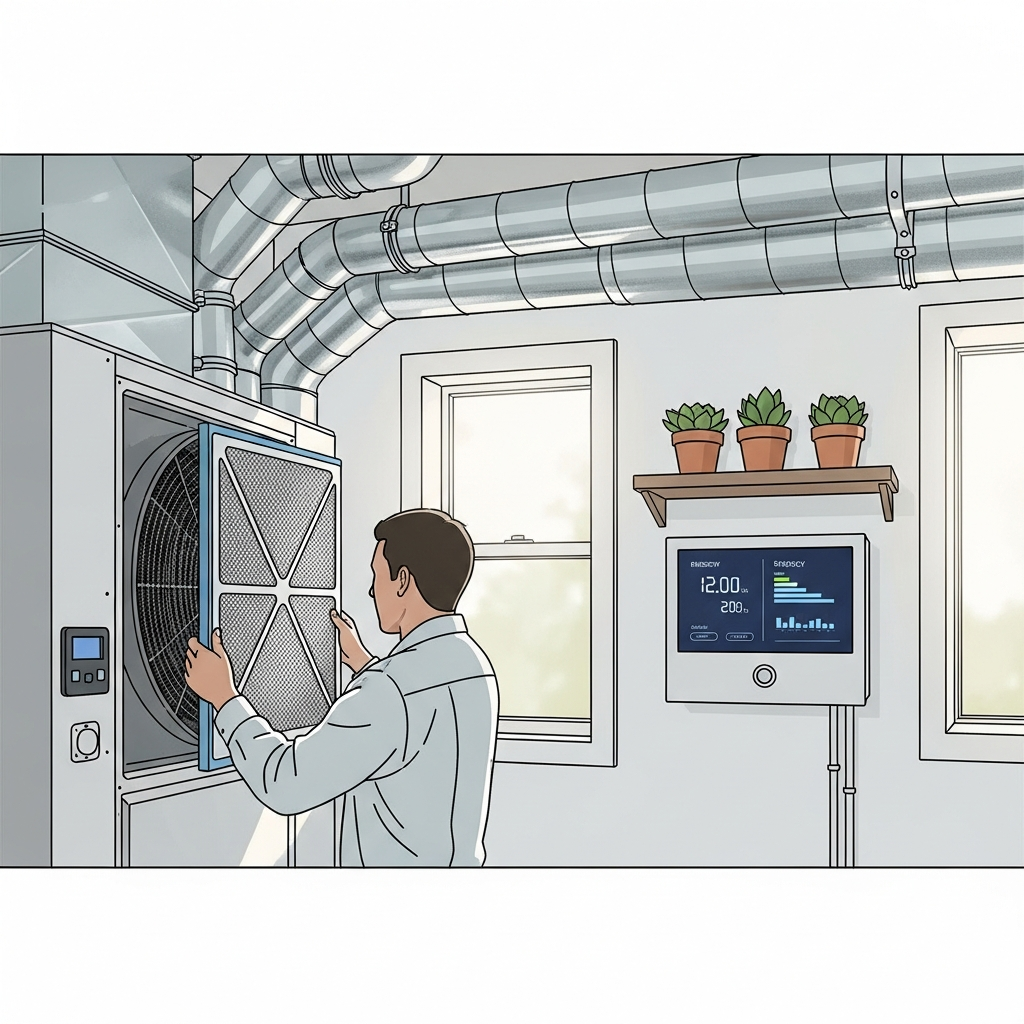
In Beverly Hills, sustainability is most meaningful when it is quiet, precise, and woven into daily life. The goal is not to sacrifice comfort, but to achieve it with less waste and less strain on the systems that support our city. Nowhere is that principle more tangible than in how we care for our cooling equipment. Thoughtful, regular air conditioning maintenance reduces energy use, preserves equipment, and lessens the environmental footprint of staying comfortable through our long, luminous summers.
When you step back, the environmental story of maintenance is a series of small decisions that compound: choosing filters that protect both lungs and airflow, keeping coils clean so heat moves easily, verifying charge to prevent wasted effort, and ensuring drains stay clear so moisture does not become a breeding ground. Each action nudges performance toward its design point. The aggregate effect is a home that uses less energy for the same comfort and a neighborhood that runs a little quieter and a little cooler during peak hours.
Energy Efficiency as Everyday Stewardship
Efficiency is often measured in ratings, but the truest measure is felt day to day. A system with clean coils and correct airflow reaches setpoint faster, modulates rather than sprints, and cycles off sooner. That behavior trims energy use without asking you to change your habits. Lighting, appliances, and plug loads matter, but cooling is typically the single largest summer draw. When maintenance trims even a modest percentage from that draw, the environmental impact is immediate and cumulative across the season.
Consider the late-afternoon period when demand surges and neighborhoods hum with condensers running flat-out. A tuned system rides through that hour without panic. It does not overcompensate, and it does not drag into the evening trying to recover from a heat-soaked house. Smoother operation means fewer peaks, which is good for both the grid and your equipment’s longevity.
Refrigerant Integrity and Climate Responsibility
Refrigerants are powerful tools that move heat; they are also potent when they escape into the atmosphere. Maintenance that prioritizes leak detection and correct charge makes a direct environmental contribution. It keeps refrigerant where it belongs and ensures the system does not waste energy compensating for a problem that should be fixed, not ignored. Technicians trained to diagnose refrigerant behavior under load bring accuracy to a task that cannot be reduced to guesswork.
In homes where line sets run long paths to reach discreet equipment locations, vigilance is essential. A small leak over a long period does damage slowly and silently. Maintenance interrupts that pattern, replacing slow loss with certainty and restoring the system’s best version of itself.
Airflow, Filters, and the Hidden Cost of Resistance
Filters catch particulates that affect health and comfort, but they also introduce resistance to airflow. The environmental goal is to choose filters and schedules that keep air clean while minimizing pressure the fan must overcome. If the filter is too restrictive or left in place too long, the system uses more energy to move less air. Maintenance aligns filter type and change frequency with your equipment, household, and neighborhood conditions—pollen loads, wildfire smoke, and dust that varies from the Flats to the hillside streets.
When airflow is right, the system’s duty cycle shortens and becomes more graceful. Rooms feel more even, coils dehumidify efficiently, and the whole machine runs cooler, which lengthens component life. Less strain on motors means fewer replacements, and fewer replacements mean less material and transport embedded in the life of your home.
Extending Lifespan to Reduce Waste
Manufacturing, transporting, and disposing of HVAC equipment all carry environmental weight. Extending the life of a well-installed system is one of the greenest actions a homeowner can take. Maintenance minimizes the stress that accelerates wear: electrical components are replaced before they fail under duress, bearings remain lubricated and balanced, and coils exchange heat without obstruction. Each year of service gained is a year of avoided manufacturing and disposal, which is a quiet but meaningful reduction in your home’s footprint.
Longevity is not about clinging to outdated technology; it is about giving quality equipment a full, efficient life. When the time comes to upgrade, you do so deliberately, with time to choose high-efficiency options that fit your architecture and comfort goals without scrambling under pressure.
Water Protection as Environmental Care
Water is precious, indoors as well as outdoors. A clogged condensate line is more than a nuisance—it can damage finishes that require resource-intensive restoration. Maintenance that keeps drains flowing and safeties responsive prevents waste in the form of repairs, replacements, and the energy used to remediate damage. In the balance of small acts, a clear drain is a significant environmental choice.
In Beverly Hills, where air handlers sometimes live above finished spaces or in tightly integrated cabinetry, attention to drainage is not optional. It is part of protecting the materials and craftsmanship already embedded in the home.
Noise, Heat Islands, and Neighborhood Well-Being
We do not often connect maintenance to noise and urban heat, but the links are real. Systems struggling with dirty coils or high static pressure run louder and longer, adding to ambient noise. They also dump more heat into the immediate surroundings as they labor, contributing to localized warmth. When equipment is tuned, it cycles cleanly and rests more often, trimming both noise and waste heat. The benefit is small at a single property and significant in aggregate, especially on dense blocks where several condensers sit in close proximity.
Thoughtful landscape choices that shade outdoor units without obstructing airflow add to this effect. Maintenance teams can coordinate with gardeners to keep clearances correct and foliage healthy, so condensers work in friendly microclimates rather than hot pockets of still air.
Smart Controls: Technology That Needs a Solid Baseline
Automation, remote monitoring, and learning thermostats are powerful tools for conservation, but only when the equipment they command is performing properly. Maintenance provides that baseline. When airflow, charge, and cleanliness are correct, smart schedules and setback strategies save energy without compromising comfort. The data these devices collect becomes more meaningful, guiding further refinements rather than compensating for mechanical shortcomings.
For homes that sit empty for stretches of time, this combination shines. You maintain safe temperatures and humidity without overcooling, and you return to a home that feels composed the moment you walk in the door.
Indoor Air Quality Without Excess Energy
Cleaner air should not come at the cost of excessive energy use. Maintenance balances filtration upgrades with the system’s capacity, ensuring you are not pushing a blower beyond its comfortable range. It also keeps coils and pans clean so that moisture management is efficient. The reward is air that feels crisp and fresh without the penalty of longer runtimes that would erase the gains.
When wildfire smoke drifts over Los Angeles County, a tuned system paired with the right filters keeps interiors calm. That calm is environmental, too: fewer portable purifiers running on high, fewer windows opened at the wrong time, and a peace of mind that reduces reactive choices that cost energy.
Documentation and Continuous Improvement
Sustainability thrives on feedback. Maintenance that records readings—temperature splits, static pressure, electrical health—creates a history you can act on. When you see trends, you intervene with precision rather than guesses. That approach avoids unnecessary replacements and directs resources to the improvements that matter most, whether that is sealing leaky ducts, relocating a sensor, or rethinking a filter schedule for wildfire season.
Owners and managers benefit from this clarity. It turns sustainability from a slogan into a plan, integrating comfort, performance, and environmental care in a way that stands up over time.
Community Impact Through Personal Choices
Every well-maintained system lightens the neighborhood’s load during the same hot hours. The impact is cumulative: fewer emergency calls, fewer units groaning at full speed, and a steadier draw on the grid. It is the environmental version of good manners—a shared effort that makes life better block by block. In a city where privacy is prized, this is a quiet contribution that still connects us.
It also aligns with the values expressed in our architecture. Homes here often hide their mechanics in service of design. Maintenance honors that by keeping equipment unobtrusive and efficient, so the home speaks with its intended voice while running with a lighter environmental touch.
Frequently Asked Questions
How does maintenance reduce my home’s carbon footprint?
By improving efficiency so the system uses less electricity to produce the same comfort, and by preventing refrigerant leaks that have a high global warming potential. Shorter runtimes and fewer emergency failures translate directly into lower energy consumption across the season.
Is upgrading filters environmentally friendly if they add resistance?
It can be, when matched to the equipment. The key is balance. A properly selected filter improves indoor air quality without pushing static pressure too high. Maintenance identifies that sweet spot and sets a change schedule that keeps air clean while protecting efficiency.
Do smart thermostats guarantee energy savings?
They help, but only when the mechanical system is healthy. Maintenance establishes the conditions in which smart controls can deliver—accurate sensors, smooth airflow, and clean coils. With that foundation, schedules and setbacks reduce energy in a way you can feel and measure.
Can maintenance defer equipment replacement in a sustainable way?
Yes. Extending the life of quality equipment reduces the environmental costs of manufacturing and disposal. Maintenance ensures those extra years are efficient years, not a slow decline. When replacement makes sense, you can plan it thoughtfully rather than react in an emergency.
Is there an eco-benefit to quieter operation?
Quieter systems are typically more efficient systems. Reduced noise indicates lower strain, better airflow, and cleaner heat exchange. On the neighborhood scale, less noise and waste heat during peak hours improve the shared environment in subtle but meaningful ways.
How often should I schedule maintenance to maximize environmental benefits?
At minimum, a spring tune-up and a late-summer check capture most of the gains. Homes with heavy use, complex zoning, or exposure to dust and smoke benefit from an additional midseason visit. Consistency matters more than any single appointment; the cumulative effect is where the environmental impact lives.
If you want comfort that aligns with your values—cool rooms, quiet operation, and a lighter footprint—start with a plan and keep it. Choose timing that matches how you live, track results, and adjust as seasons change. For guidance grounded in local experience and a service model built around results, schedule your next air conditioning maintenance today and enjoy a home that feels better while doing better.