
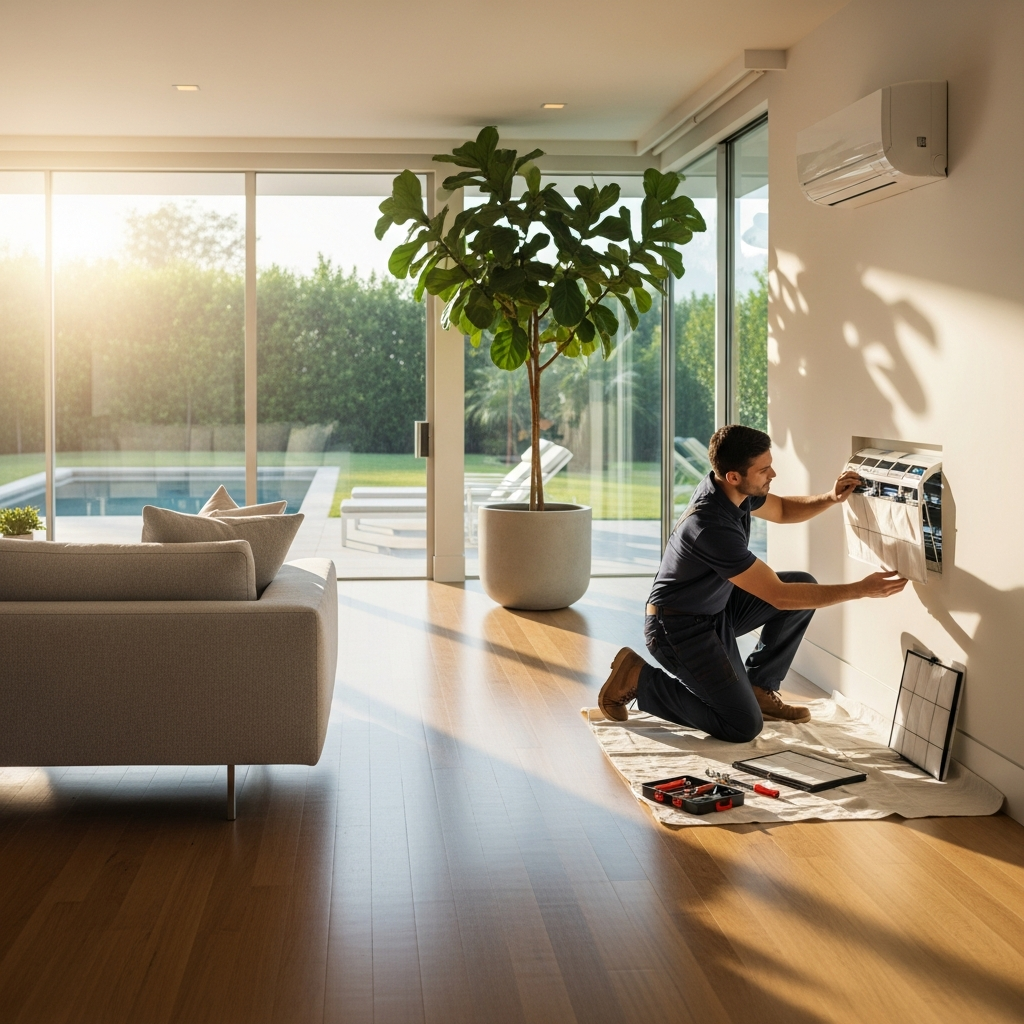
Step outside on a warm afternoon in Beverly Hills and you can feel the subtle layers of our microclimates shaping comfort from the Flats to the hillsides. In homes where design, privacy, and tranquility matter as much as temperature, reliability is not a luxury—it is the baseline. That is why scheduling regular air conditioning maintenance is one of the most impactful habits a homeowner or property manager can adopt. Beyond the basic promise of cool air, thoughtful upkeep protects interiors, preserves investments, and brings a sense of ease to daily living, especially during the hottest weeks when every system in town is being pushed to its limit.
As a local who has seen summers trend longer and heat waves arrive earlier, I can tell you that maintenance is not just a seasonal checkbox; it is a strategy for year-round comfort. Beverly Hills spans tree-lined neighborhoods with shaded streets, open sunlit terraces, and canyon-adjacent homes that trap warmth in the late afternoon. That variability creates unique load profiles for each property. When your system is tuned for your space, it does more than cool—you feel air that is balanced, refreshed, and quiet, harmonizing with the way your home is used during the day and evening.
Comfort That Adapts to the Beverly Hills Lifestyle
Many homes here are designed to entertain: open living rooms that spill into gardens, floor-to-ceiling glass that catches the late sun, and guest suites that sit unused until company arrives. Maintenance helps the system adapt to that rhythm. Calibrated thermostats, clean coils, and verified refrigerant levels allow for quick changes in setpoints when guests arrive or when a dinner party warms the house faster than usual. It is about reducing lag—fewer hot spots lingering in a corner office, fewer chilly pockets in a north-facing den, and more even temperatures that feel effortless rather than forced.
Good maintenance also supports quiet comfort. In homes where acoustics are part of the design experience, every decibel matters. A well-balanced blower, properly tensioned components, and spotless indoor coils reduce the strain that causes whine, rattle, and hum. That quiet can make the difference between background comfort and unwanted distraction, especially in rooms where people work from home, practice piano, or replicate a screening-room feel.
Better Air Quality and Healthier Indoor Living
Wildfire smoke from distant regions and Santa Ana winds do not stop at city limits. When particulates hang over the Westside, you learn quickly that filtration and duct cleanliness are not abstract concerns. Routine maintenance replaces or upgrades filters before the air looks hazy or smells off, and it checks that your return air pathways are free of hidden dust nests that can erode indoor air quality. The result is relief for allergy sufferers, a cleaner feel on surfaces, and fewer instances of waking up with dry throats or irritated eyes after a long, hot day.
Beyond filters, maintenance protects against microbial buildup on coils and in condensate pans, where moisture and warmth can create a breeding ground. A professional cleaning regimen keeps those areas pristine, lowering the chance that musty odors drift into rooms. That is particularly important in homes with delicate textiles, curated art, and wood finishes that can trap smells.
Energy Efficiency That Shows Up in Daily Living
Energy efficiency sometimes gets framed as a distant ideal, but in Beverly Hills it shows up in everyday moments: your system reaching setpoint faster when you get home from dinner on Canon Drive, or your upstairs bedroom remaining comfortable during a midday Zoom call without the thermostat creeping lower. Clean coils transfer heat more effectively, correct refrigerant charge prevents overwork, and verified airflow means the system is not trying to push through a bottleneck. When each of these elements is addressed during maintenance, you get more comfort from each kilowatt-hour used.
There is also resilience in efficiency. A well-tuned system rides through hot spells without panic, lowering the risk of sudden shutdowns when the outdoor unit is baking in late-afternoon sun. That steadiness is often the difference between a home that feels composed and one that follows the heat with a lag you can sense in every hallway.
Protecting Property and Finishes
Any property manager here will tell you that water is as much a risk as heat. Condensate drains that are partially clogged can overflow at the most inconvenient time, damaging ceilings, walls, custom cabinetry, and hardwood floors. Preventive maintenance ensures drain lines are flushed, traps are cleared, and safeties are tested so that pan sensors shut systems down before water becomes a costly intrusion. In hillside homes with air handlers placed in attics or tight mechanical rooms, those checks are not optional—they are essential.
Similarly, exterior equipment deserves an eye for aesthetics as well as performance. When setbacks are tight and visibility matters, keeping condensers clean and properly secured preserves the look of patios and pathways. Maintenance that includes gentle coil cleaning, vegetation clearance, and vibration checks helps your outdoor spaces remain as considered as your interiors.
Longevity and Reliability Through Peak Season
Heat waves do not announce themselves politely. They crest over a weekend, arrive during a holiday, and stretch into a week where everyone’s system is running hard. Routine service creates a buffer against those moments. Replacing a weakening capacitor, tightening a suspect electrical connection, or catching a fan motor that is beginning to wobble turns a potential emergency into a non-event. The true benefit shows up on the hottest Tuesday in September, when your home remains stable and your plans remain intact.
This reliability also supports travel. Many Beverly Hills households spend time away in late summer. A maintained system, paired with smart controls, can hold the home in a safe temperature band while you are out of town, protecting finishes and wine storage and making sure you do not return to a stuffy, stressed interior.
Smart Controls and a Smarter Routine
Maintenance harmonizes with the technology most homes already use. Smart thermostats are only as good as the equipment they command. When airflow and charge are correct, setbacks and schedules make sense; when they are off, the thermostat is just negotiating with a system that can’t keep its promises. A tuned system means your app’s comfort graph looks steady rather than jagged, and your automation sequences—like pre-cooling a primary suite before bedtime—feel seamless instead of approximate.
Midway through the year, when coastal haze gives way to dry heat and evening breezes, it is an ideal time to book a mid-season check, especially if the system has been working harder than usual. That is also a perfect window to revisit your routine and, if needed, schedule professional air conditioning maintenance before late-summer peaks demand extra capacity.
What Professional Maintenance Really Covers
Homeowners sometimes imagine maintenance as a quick filter swap, but the real work is deeper and more disciplined. A comprehensive visit looks at static pressure and airflow in a way that connects symptoms to causes, ensuring ducts are not undermining performance. It verifies the electrical health of contactors and capacitors to prevent nuisance failures. It inspects the coil surfaces where heat exchange actually happens, because even a thin film of dust reduces effectiveness in ways you feel as longer runtimes and less satisfying cooling.
Technicians will also check refrigerant levels—not to “top off,” but to confirm charge is correct, because both overcharge and undercharge strain the compressor. They assess blower cleanliness and balance, observe startup behavior, and confirm that sensors read accurately so that the thermostat’s commands match reality. The goal is straightforward: restore the system to its intended baseline, or identify upgrades that bring it closer to that baseline in older homes with legacy ductwork.
Beverly Hills Homes Demand a Tailored Approach
From mid-century jewel boxes in Trousdale to classic estates in the Flats, no two properties present the same challenges. Some rely on discreet mini-split systems to serve hard-to-duct wings; others use variable-speed central systems that whisper along at low capacity most of the day. Maintenance plans should reflect those differences. For instance, a home with high-glass exposure and delicate draperies may need coil cleaning scheduled just before the fiercest sun season, while a canyon-adjacent property contending with dust might benefit from filter changes more frequently than a standard calendar suggests.
It is also common here to see multiple systems—one for the primary living spaces, another for bedrooms, and a third for guest areas rarely used. A thoughtful technician maps usage patterns to maintenance timing, so you are not over-servicing equipment that sits idle, and you are not under-servicing the unit that carries eighty percent of the cooling load.
Environmental Benefits That Align With Good Stewardship
Maintenance is part of responsible homeownership in a city that values both comfort and conservation. Reducing energy use during peak afternoons lowers stress on the grid and subtly reduces ambient noise from outdoor units running flat-out. Leak checks safeguard refrigerant, and better airflow means shorter cycles for the same cooling effect. These gains may feel incremental in the moment, but they compound across a season, leaving your home more comfortable with less effort.
There is also a waste-reduction story here. Extending the life of a well-installed system defers replacement, which means fewer large components entering the waste stream. When the time does come to upgrade, you do it on your timeline, with space to plan for design, permitting, and equipment selection—rather than scrambling during an outage.
Documentation, Confidence, and Resale Value
Well-documented maintenance is reassuring for owners and attractive to buyers. A binder or digital record of professional visits, measured readings, and corrective actions tells a story about how the home has been cared for. In real estate conversations where attention to detail is a differentiator, that story matters. It helps future owners understand the system’s health and reduces the anxiety that can come with inheriting complex mechanicals.
For homeowners who spend part of the year elsewhere, maintenance reports provide simple peace of mind. You know the system’s baselines, and you have a point of contact who understands your property. That relationship shortens response time when you do need help and makes proactive planning easier.
Planning Your Maintenance Calendar
In Beverly Hills, a spring visit sets you up for the first warm days, while a late-summer check ensures the system finishes strong and transitions into fall cleanly. Aligning maintenance with your home’s patterns—such as major events, renovations, or landscape work that kicks up dust—keeps the system ahead of demand. If your property hosts frequent gatherings, follow major events with a filter check; if you are renovating, plan a thorough coil and duct inspection when the work wraps to remove construction dust from the air stream.
If your system has been underperforming, do not wait for a hot day to expose the gap. Maintenance is most effective when it is proactive; the benefit is measured not only in avoided breakdowns, but in those quiet evenings when the house simply holds the perfect temperature without fanfare.
Frequently Asked Questions
How often should an AC in Beverly Hills be maintained?
For most homes, twice yearly is a practical rhythm: a spring tune before the first sustained warm spell, and a late-summer or early-fall visit to tidy up after heavy use. Homes in dust-prone areas or with high usage may benefit from a third check focused on filtration and condensate health. The goal is not to meet a number on a calendar but to match care to the way your home and equipment are actually used.
Will maintenance help with rooms that are always warmer or cooler?
Yes, because uneven comfort is often a symptom of airflow restriction, duct imbalance, or sensor placement. During a maintenance visit, a technician can measure static pressure, verify register performance, and recommend adjustments or modest improvements—like adding a return or correcting damper positions—that restore balance without a wholesale redesign.
Can maintenance reduce allergens and dust in my home?
Regular filter changes, coil cleaning, and condensate pan sanitation can notably reduce airborne irritants and musty odors. For households sensitive to pollen or wildfire smoke, upgrading to higher-efficiency filtration and ensuring airtight returns helps prevent unfiltered air from bypassing the system and recirculating through living spaces.
Does a newer system still need maintenance?
Absolutely. New equipment benefits from maintenance because early care preserves efficiency and verifies that installation settings remain correct after the first season. Catching minor issues—like a slightly loose wire or a filter choice that is too restrictive—prevents small inefficiencies from becoming baked into the system’s habits.
What are signs maintenance is overdue?
Longer cooling cycles, noticeable noise during startup, inconsistent temperatures between floors, faint odors at first run, or water where it should not be near an air handler all point to systems needing attention. If you have nudged the thermostat lower more often lately, that is your comfort telling you something is off.
Is there a best time of day for service?
Morning visits are ideal during hot spells, when equipment is cooler and technicians can take stable readings before midday heat introduces variables. That said, reliable providers can adapt to your schedule; consistency matters more than the clock, as long as the system receives full, unhurried attention.
Will maintenance help my smart thermostat perform better?
Yes. Smart controls depend on accurate system response. When airflow, charge, and sensors are verified, your programmed schedules and automations work predictably. You will see steadier temperature curves and fewer swings that make you question whether the thermostat is learning the right lessons.
Can maintenance prevent water damage?
Preventive checks on condensate lines, float switches, and drain pans dramatically lower the risk of overflow. In homes with equipment above finished spaces, those safeguards are your last line of defense against stains, swelling wood, or compromised ceilings. Maintenance keeps those defenses ready.
If you are ready to enjoy steadier comfort, quieter operation, and a home that simply feels better every day, now is the moment to schedule professional care. Reach out to plan your next visit and align it with your calendar, and consider setting reminders so your system never falls behind. For trusted, local service that understands how Beverly Hills homes live and breathe, schedule your next air conditioning maintenance today and relax into a cooler, calmer season ahead.