
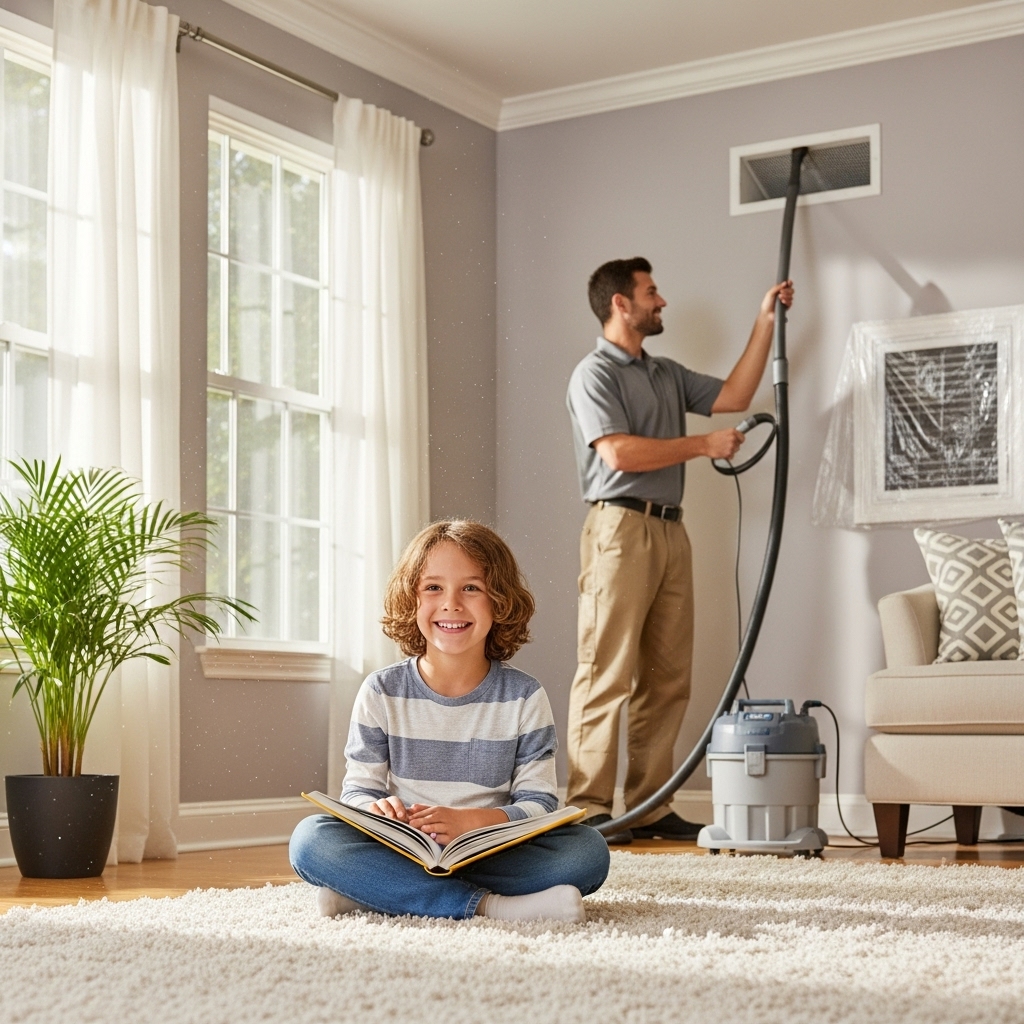
How Air Duct Cleaning Supports Allergy Relief in Beverly Hills Homes
Allergies do not pause just because you are indoors. In a place like Beverly Hills, where garden-rich streets and canyon breezes are part of the charm, pollen and fine dust are constant companions. Even with closed windows and premium filters, particles enter the home, settle on surfaces, and find their way into return grilles. Over time, trace amounts accumulate along the interior of supply and return ducts, creating a reservoir that can re-release into the air when your system cycles. Professional air duct cleaning addresses this hidden layer, supporting a calmer indoor environment for those who react to dust, dander, and seasonal pollen.
To be clear, duct cleaning is not a medical treatment and cannot eliminate allergies at their source. But in a home where the HVAC system is the circulatory pathway for air, reducing the particulate load inside that pathway can make a noticeable difference. Many homeowners report fewer dust puffs when the system starts, less film on furniture, and, in some cases, milder morning sniffles. In concert with good filtration and sensible housekeeping, cleaning helps the system support your health goals by removing settled debris that traditional surface cleaning cannot reach.
Where Allergens Hide Inside a Duct System
Most of what triggers allergies indoors is microscopic: pollen grains that rode in on clothing, pet dander that floats easily, and fine soil particles that drift through open doors. Returns are the first stop. Here, a filter captures the majority of particles, but not all. Some bypass at the edges if the cabinet is not perfectly sealed, and some fine material simply passes through. Downstream, surfaces like the return plenum, trunk lines, and branch ducts collect what the air leaves behind as it slows at turns or encounters minor roughness in the duct walls. Supply ducts, especially the first few feet after the air handler, can accumulate enough dust to become a source of redistribution over time.
Without periodic cleaning, this layer thickens gradually. It may not be visible at every register, yet it can affect what you smell and how comfortable you feel. Because allergens are lightweight, small disturbances—an air cycle starting, a door closing, a change in system pressure—can lift particles back into the airstream. That is why the first seconds after the fan engages often carry a faint, dusty puff. Removing the layer reduces the volume of particles available to be lifted and recirculated.
The Cleaning Process and Why It Matters for Allergy Sufferers
A targeted cleaning sequence is designed to remove settled debris while protecting duct materials and preventing cross-contamination. Technicians isolate the system, apply negative pressure with HEPA-filtered equipment, and use contact agitation—brushes or air whips matched to the duct material—to dislodge buildup. Because air is continuously drawn toward the collection unit, dislodged particles are captured rather than drifting into living spaces. Registers are sealed during work and cleaned before reinstallation, and the air handler cabinet receives careful attention where accessible, since this is where much of the airflow begins and ends.
For allergy-prone households, containment and filtration are as important as the cleaning itself. Protective coverings, sealed vents, and dedicated work zones keep particles confined. It is a measured, methodical process that prioritizes your comfort during the appointment and the calmness of your home afterwards. The aim is not simply to make ducts look better at a snapshot moment, but to reduce the reservoir that feeds future redistribution.
Common Beverly Hills Scenarios—and How Cleaning Helps
Consider a canyon-adjacent home where breezes are welcome and windows open frequently. That connection to the outdoors is part of what makes the property enjoyable, yet it also invites in pollen and fine dust that settle near returns. Over months, a film collects in the return plenum, and small amounts spread into supply trunks. Cleaning that focuses on returns and early supply sections often yields the most noticeable relief: puffs at startup diminish, and the home’s scent returns to a neutral baseline.
In homes with pets, dander contributes a persistent, feathery layer. It clings to filter frames and the edges of registers. During cleaning, technicians pay extra attention to these areas, using soft-brush tools where duct materials require gentle handling. Pet households often find that a properly timed cleaning, paired with regular vacuuming and consistent filter changes, dials back the constant dusting that can make allergies feel relentless.
Moisture, Odor, and Sensitivities
Moisture is not an allergen, but it changes how dust behaves. In spaces with occasional humidity spikes—near bathrooms or where a past leak occurred—debris can adhere more strongly to duct surfaces, creating patches that trap more particles. Proper cleaning breaks up these patches and removes the underlying layer, reducing the chance that musty odors accompany system cycles. While odor is complex and can have several sources, many homeowners notice a quieter, cleaner scent after a thorough service, which can make life kinder for those with sensitivities to smells.
Some residents are especially reactive to fragrances or irritants. For them, the process itself should be as low-scent and non-intrusive as possible. Reputable providers avoid unnecessary deodorizers or treatments by default, relying instead on source removal. Where sanitizing is appropriate—say, after water intrusion—any products used are selected for their suitability and discussed openly before application. The guiding principle is to leave the system cleaner, not perfumed.
Pairing Cleaning with Filtration and Ventilation
Cleaning removes what has settled; filtration reduces what settles next. Choosing a filter with the right balance of capture efficiency and airflow is central. Too restrictive and the system strains; too porous and particles sail through. Many Beverly Hills homes also employ dedicated ventilation strategies. Keeping those systems in tune—making sure outdoor air paths are clear and intake filters are maintained—complements the reduction achieved by cleaning. Together, they create a home environment with fewer airborne irritants and a more consistent freshness.
For households with high sensitivity, consider aligning your cleaning with seasonal shifts. A post-spring pollen cleaning or a late-fall reset before windows close for the cooler months can synchronize with your symptom patterns. Your provider can help you chart a cadence that makes sense for your family and your floor plan.
What to Expect During and After Service
On the day of service, technicians protect floors and finishes, seal registers, and set the system under negative pressure. They proceed in a sequence that draws debris toward collection, starting at the air handler cabinet and moving outward. Tools are matched to duct materials to avoid damage, and returns are emphasized because they tend to harbor the most accumulation. Communication during the visit keeps you comfortable, and pets are kept away from work zones to minimize stress.
Afterward, many homeowners notice subtler dust levels on surfaces and fewer puffs at startup. Registers look clean and crisp, and the air carries a neutral smell rather than a stale one. Documentation summarizing the work and any observations—such as filter cabinet bypass gaps or minor duct leaks—helps you make choices about follow-up maintenance that will preserve the results.
How Often to Clean When Allergies Are a Concern
There is no single answer, but allergy-prone households often benefit from a slightly tighter interval than homes without sensitivities. A restorative cleaning after a remodel or a long period without service sets a fresh baseline. From there, you can adopt a maintenance schedule tailored to your lifestyle, pets, and local conditions. Filters should be checked and replaced regularly, and returns inspected visually for early signs of buildup. Adjust the cadence if you notice dust rings forming sooner or if symptom patterns suggest increased indoor triggers.
If you travel often or spend more time outdoors during certain months, you might choose to align cleaning with those transitions so the system feels fresh when you are most at home. The beauty of a local, inspection-based plan is that it bends to your life rather than the other way around.
The Role of Technique and Training
For allergy-focused cleaning, technique matters as much as timing. The use of HEPA-filtered negative air equipment, careful sealing of vents, and contact agitation tailored to duct materials all affect the outcome. Trained technicians recognize how to control airflow and protect finishes while ensuring that dislodged material is captured, not redistributed. They also pay attention to the air handler cabinet, blower compartment, and registers, which are common sources of odor and dust release.
Experienced teams will also explain where they found accumulation and why certain areas collected more than others. That knowledge informs your maintenance decisions, including how often to change filters and which rooms to watch for early signs of return-side buildup. It turns the appointment into a mini-education that helps you keep the results longer.
Middle-of-the-Home Considerations
Homes with multiple levels or sprawling wings develop microclimates. A shaded lower level might feel cooler and damper, while upper floors near a sunlit terrace run warmer and promote faster air movement. These differences affect where dust and allergens settle and how quickly they return. During an evaluation, a local expert considers these variations and may adjust the cleaning sequence accordingly, devoting extra attention to specific branches or returns. Aligning this work with well-timed air duct cleaning creates a balanced, whole-home result rather than a generalized one-size-fits-all pass.
Post-Cleaning Habits that Prolong Relief
Sensible habits reinforce the benefits. Vacuum with a quality machine and a fresh bag or cleaned canister so you are not reintroducing fine dust. Launder bedding and drapes routinely, since textiles act as reservoirs that release particles with movement. Wipe return grilles gently to prevent the early formation of dust rings. If you enjoy open windows, consider doing so during periods of lower pollen counts and run fans to keep air moving without overtaxing the system. None of this replaces cleaning; it simply helps the system and the home work together to keep irritants at bay.
Also, communicate with your service provider about any changes in the household—new pets, a family member moving in, or alterations to how rooms are used. These changes influence airflow patterns and particle loads and can prompt modest adjustments to your maintenance plan.
Frequently Asked Questions
Can duct cleaning alone solve my allergy symptoms?
No. Allergies are complex and driven by many factors. Duct cleaning supports a cleaner indoor environment by removing reservoirs of dust and dander inside the system. It pairs best with good filtration, housekeeping, and attention to ventilation. Many people experience noticeable comfort improvements after a thorough service, but results vary by individual and season.
Will cleaning stir up allergens and make things worse?
When performed properly with sealed registers, negative pressure, and HEPA filtration, cleaning captures dislodged particles rather than releasing them into rooms. The process includes containment and careful handling to prevent cross-contamination. Choosing an experienced provider is essential to ensuring the work supports, rather than disrupts, an allergy-sensitive household.
How do I know if my ducts are contributing to symptoms?
Clues include visible dust at registers, a faint puff at startup, musty odors, and faster dust accumulation on surfaces despite regular cleaning. An inspection can reveal patterns such as heavy return-side deposits or filter bypass that indicate redistribution is occurring. With that information, you can decide on the timing and scope of cleaning.
Are chemical treatments necessary for allergy relief?
Not necessarily. Source removal—physically extracting settled debris—is the primary tool. In cases of water intrusion or specific concerns, targeted treatments may be appropriate, but they should be chosen carefully and discussed in advance. Many households achieve meaningful improvement through thorough cleaning alone, combined with filtration and simple habits.
How often should allergy-prone homes schedule service?
Intervals are personal, but many sensitive households benefit from a slightly tighter schedule than typical homes. An initial restorative cleaning sets a clean baseline; afterward, a maintenance cadence tailored to pets, occupancy, and local conditions keeps results steady. Your provider can recommend an interval after observing your system and discussing your goals.
Ready to Make Your Indoor Air Feel Calmer?
If allergies are nudging you to reset your home’s air pathways, partner with a local team that combines careful technique with respect for your space. An inspection-led plan, thoughtful containment, and clear communication can turn a service appointment into everyday comfort. When you are ready to take the next step, schedule expert air duct cleaning and enjoy the lighter, fresher feeling that comes from breathing easier at home.