
How Often Should Beverly Hills Homeowners Schedule Air Duct Cleaning?
Ask five homeowners how frequently they schedule a duct cleaning and you will hear five different answers, each shaped by the home’s design, the household’s lifestyle, and the local environment. In Beverly Hills, where properties range from hillside villas to serene flats, the ideal interval is less a fixed date on the calendar and more a reflection of how your home breathes. Rather than aiming for a generic schedule, the smartest approach is to consider the factors that influence how quickly dust and debris accumulate, then choose a rhythm that keeps indoor air fresh without over-servicing the system. As you think this through, it helps to understand the signs that it is time, and how professional air duct cleaning supports a healthier, calmer living environment.
Every HVAC system moves a huge volume of air in the course of a year. Even with diligent filter changes, tiny particles bypass or settle on interior surfaces. Over time, that layer thickens, especially at returns where air first enters the system. The goal of periodic cleaning is to interrupt that accumulation before it becomes a source of redistribution, odors, or inefficiency. A well-timed service feels almost invisible: dust levels are easier to manage, the scent when the system cycles is clean and neutral, and registers look crisp without a film of lint or debris.
The Baseline Interval—and Why It Varies
Many households do well with a multi-year interval as a baseline for maintenance cleaning, but this is only a starting point. The real determinant is how your home is used and how it is built. A smaller single-story residence with one air handler and limited duct length may stay clean longer. A large estate with multiple systems and busy entertaining spaces may require more frequent attention. If you have recently purchased a home, it is wise to schedule an inspection and a first cleaning so you begin with a known baseline. From there, your provider can recommend a cadence based on observation rather than guesswork.
There is a difference between routine maintenance and a restorative service after years of accumulation or a major remodel. The former is shorter and aimed at preserving cleanliness; the latter is more involved and resets the system to a fresher state. Once that reset is complete, the maintenance interval can often lengthen, provided filters are changed regularly and the home’s dust load is moderate.
Local Conditions that Affect Frequency
Our climate offers warm, dry stretches, seasonal winds, and occasional nearby construction that lift fine dust into the air. In Beverly Hills, canyons can funnel breezes that carry particles indoors, especially if windows are opened frequently during pleasant evenings. Landscaping projects, even on neighboring properties, can temporarily raise the dust load entering returns. If your home sits near a busy thoroughfare, ultra-fine particles can be higher, prompting a modestly tighter cleaning schedule. Paying attention to your block’s activity helps you anticipate when the system may benefit from a little extra care.
Wildfire seasons elsewhere in the region can also influence indoor air. Even when smoke is distant, sensitive households may perceive lingering scents in the HVAC system. In such cases, a well-timed cleaning after the season passes can help remove residues within returns and trunk lines, supporting a return to the home’s usual crisp indoor feel.
Occupancy, Lifestyle, and Pets
The number of people living in a home—and how the space is used—plays a large role. Frequent gatherings bring additional lint, skin cells, and outdoor dust into the air. A home office used daily means the system cycles more consistently, pulling air through returns for longer stretches. Households with infants or older adults often prioritize a cleaner baseline, leading to slightly more frequent maintenance. Meanwhile, furry companions are lovable contributors to a system’s workload. Pet dander and hair collect quickly at returns and registers, especially during shedding seasons. If you share the home with pets, expect your ideal schedule to be a touch more frequent than the baseline.
Even cleaning habits matter. Regular dusting and vacuuming with a high-quality machine can reduce what enters the returns. On the other hand, scented candles and cooking can leave faint residues that act like tacky surfaces within the duct, capturing airborne particles more readily. These nuances are not about right or wrong—they simply help you and your provider choose a timetable that matches your household’s rhythms.
After Renovations or Repairs
Remodeling introduces a unique kind of dust: ultra-fine gypsum and wood particles that travel far and settle deeply. Even with diligent containment during construction, some of this dust finds its way into returns. If you have completed a kitchen update, new floors, or anything involving drywall work, plan a duct cleaning once the work wraps up and the home has been thoroughly surface-cleaned. This is a restorative service that resets the system and clears the construction residue that might otherwise recirculate for months.
For large, phased renovations, consider scheduling a cleaning after major milestones rather than waiting until the absolute end. Your provider can advise whether a mid-project service makes sense based on the location of returns and whether construction dust has been controlled effectively.
Signs It Is Time
There are quiet signals homeowners notice when the system is ready for attention. A faint puff of dust when a cycle begins, a slight musty note at certain registers, or a visible film around the edges of vents are all clues. Rooms closest to returns often reveal it first, especially if the return filter cabinet has gaps that allow unfiltered air to bypass the media. Another signal is a faster-than-expected buildup of dust on surfaces between routine cleanings. If you are dusting more often with little satisfaction, the system may be redistributing what has collected within ducts.
Allergies and sensitivities can also act as a barometer. If a family member seems more reactive during certain seasons even while indoors, a well-timed cleaning coordinated with filter changes can help calm the indoor environment. While cleaning is not medical care, it is a practical part of caring for the home’s “lungs” in concert with smart filtration.
What a Professional Looks For
When you ask a local technician how often you should schedule service, the conversation starts with an inspection. They will consider system count, duct material, access, and visible accumulation at accessible points. They will ask about pets, lifestyle, recent projects, and any sensitivities in the household. Based on these details, they will suggest a maintenance interval and distinguish it from a restorative service if needed initially. The aim is to design a rhythm that keeps air quality stable without unnecessary disruption or downtime.
In the middle of this conversation, homeowners often ask whether other components should be addressed at the same time. Registers and grilles are typically cleaned as part of the process, and the blower compartment receives attention where accessible. If the filter cabinet allows bypass, a minor sealing adjustment may be recommended to improve results between cleanings. Coordinating these steps around periodic air duct cleaning helps the system stay fresher longer.
Filters, Fresh Air, and Maintenance Rhythm
Filter changes are your first, best tool for controlling accumulation. Select a filter that suits your system’s design and your indoor air goals, then replace it on schedule. Overly restrictive filters can reduce airflow; under-performing ones may allow more particles to settle within ducts. Many Beverly Hills homes also have fresh air or energy recovery components. While these are not part of the duct cleaning itself, maintaining them ensures balanced ventilation and complements the cleanliness you are aiming for inside the ductwork.
Think of your calendar in seasons rather than strict dates. After windy periods or a stretch of entertaining, glance at returns and note whether dust rings are building faster. If you have completed deep cleaning of the home for spring or fall, consider whether the ducts deserve attention as part of that cadence. Making timing decisions around how your home has actually been lived in is the most grounded approach.
Single-Family Homes, Condos, and Estates
Different property types invite different schedules. In condos with sealed corridors and well-controlled common areas, accumulation may be slower, but shared mechanical spaces might drive scheduling windows or inspection requirements. Single-family homes see more variation in dust loads due to open windows and direct outdoor access. Estates with multiple systems benefit from a staggered schedule so the household remains fully functional while each system receives care in turn. A local provider familiar with these nuances will outline a plan that respects your property’s specific needs.
Parking access, elevator reservations, and homeowner association guidelines can also influence appointment timing. In multi-unit buildings, coordinating with management for protective coverings in hallways keeps the service respectful and smooth, and it delineates clear windows for work that align with building policies.
What to Expect During Service
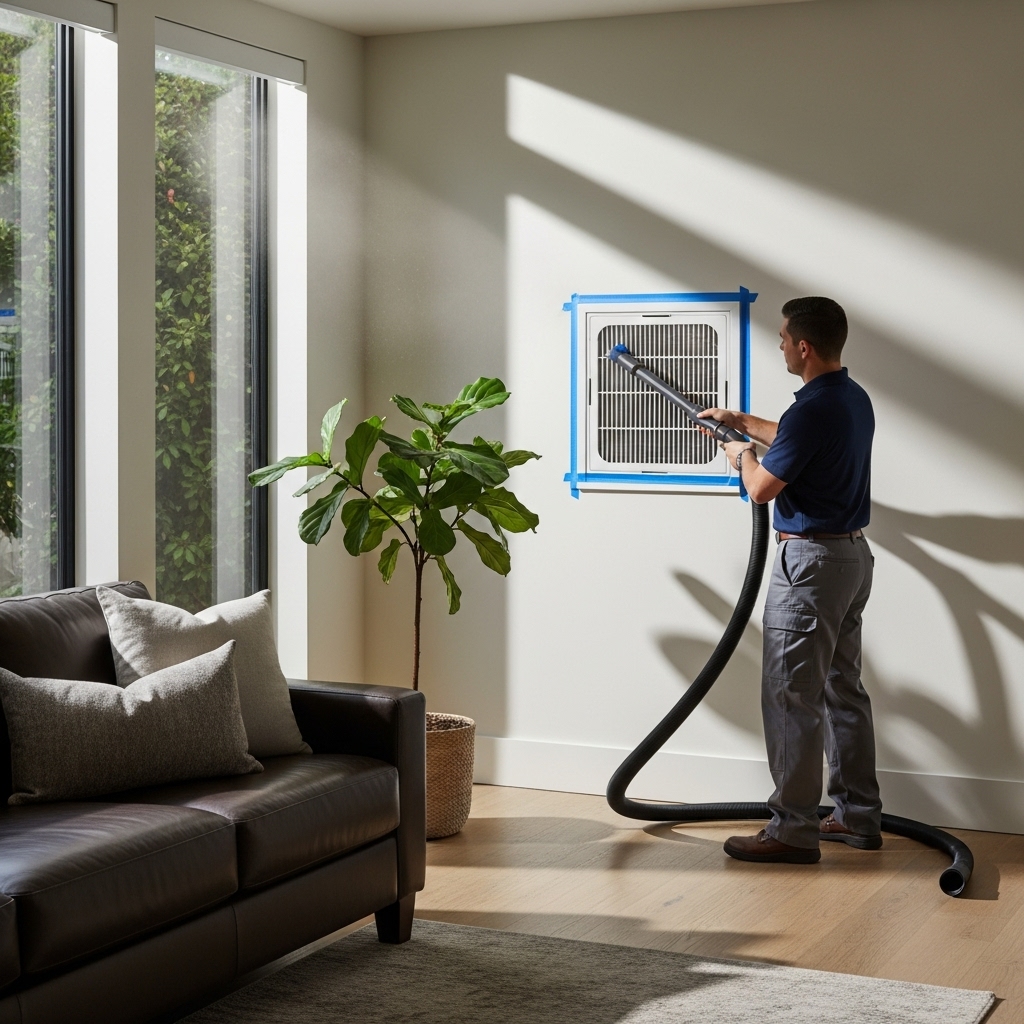
On the day of a maintenance cleaning, containment is established, registers are sealed, and negative pressure is applied to the duct system. Contact agitation dislodges accumulated debris, which is removed through HEPA filtration. Returns and trunks receive particular attention, and the air handler cabinet is addressed where accessible. Grilles and registers are cleaned and reinstalled. Throughout, technicians protect floors and finishes and maintain communication so you understand progress and any observations. The process is methodical and designed to be as unobtrusive as possible.
Afterward, expect a quieter dust pattern in the home and a cleaner look at the vents. Documentation summarizing what was performed and any recommendations for filter cabinet sealing, duct repair, or scheduling cadence helps you plan the next steps. Many homeowners mark their calendars for a mid-interval check of returns to decide whether to move the next cleaning forward or leave it as scheduled.
Choosing an Interval You Can Live With
The best schedule is the one you will actually follow. If your household is busy, pick an interval that fits naturally around your travel and events. If you are especially sensitive to dust or allergens, lean toward a slightly tighter cadence and invest in consistent filtration. Once your system has been reset after a restorative cleaning, you may find that a longer interval keeps conditions stable, especially if the home is well-sealed and daily activity is moderate. Let results guide your decisions more than arbitrary rules.
Frequently Asked Questions
Is there a universal rule for how often to clean air ducts?
No. While general ranges are often cited, the right interval depends on system count, home size, occupants, pets, lifestyle, and local conditions. An inspection-based recommendation is more meaningful than a one-size-fits-all rule. Start with a baseline and adjust based on what you observe in your own home.
Do allergies change the recommended schedule?
Yes, sensitivities often justify a tighter cadence. Coordinating cleaning with filter changes and seasonal shifts—especially after windy periods or pollen peaks—can make the indoor environment feel calmer for those who are reactive. Discuss household health considerations with your provider so the plan reflects your needs.
Should I schedule cleaning right after a remodel?
Post-remodel cleaning is wise, particularly when drywall work, sanding, or flooring replacement has occurred. That service resets conditions by removing construction dust that ordinary housekeeping cannot reach within the ducts. Once completed, you can move to a maintenance interval appropriate for your household.
Can better filters replace the need for cleaning?
Filters are essential, but they cannot remove what has already settled inside ducts or in the air handler cabinet. The most effective strategy is a combination: smart filtration to reduce new accumulation and periodic cleaning to reset the system. Your provider can help you choose filters that balance air quality with system performance.
What if I rarely use my HVAC system?
Infrequent use slows accumulation, but it does not prevent it entirely. Dust can settle during idle periods and lift when the system cycles. Even homes that rely on mild coastal breezes or radiant heating benefit from occasional inspection and cleaning to maintain a fresh baseline inside the ductwork.
Ready to Set a Sensible Schedule?
If you would like a personalized maintenance rhythm based on your home’s design and how you live day to day, connect with a local team that understands Beverly Hills properties. A short inspection and a practical conversation can lead to a plan you will actually keep—and results you will feel every time the system cycles on. When you are ready, reach out for expert air duct cleaning and enjoy a cleaner, calmer indoor environment year-round.