
Beverly Hills homes are built for beauty and comfort, but even the most thoughtfully designed properties can run into cooling challenges. Between microclimates that swing from canyon shade to afternoon sun and architectural details that complicate airflow, certain air conditioning issues appear again and again. Understanding these patterns helps you prevent interruptions and recognize when a professional eye can save the day. As someone who spends time in homes from Trousdale to the flats, I have seen the same handful of concerns return in familiar ways—and I have seen how a tuned system restores that signature Beverly Hills calm.
Before diving into specifics, remember that equipment rarely fails without clues. The house talks—through sounds, temperatures, and even subtle changes in how rooms feel. Listening early prevents discomfort later. It also protects finishes and furnishings that thrive in stable conditions. When you learn to read the room, you respond before a minor irregularity becomes a summer headache.
Hot and cold spots that refuse to balance
One of the most common complaints is uneven temperatures, especially in homes with large windows or multi-level layouts. A sunlit family room can feel toasty while a shaded hallway feels chilly. The reasons vary: duct design that favors some spaces over others, insufficient returns, or equipment that is too powerful and short cycles before air fully mixes. Zoning, proper balancing, and variable-speed components often resolve the issue. Sometimes the answer is as simple as correcting a supply register’s direction; sometimes it is a strategic rethink of how the system moves air through the home.
Short cycling and systems that never seem to settle
Short cycling—rapid on-and-off operation—wastes energy, increases wear, and leaves rooms feeling unsettled. In Beverly Hills, this can happen when a system is oversized for the home, a thermostat is placed in direct sun, or airflow is restricted by clogged filters. The fix may involve recalibrating controls, relocating a thermostat, or verifying airflow through ductwork. The goal is a longer, gentler run that evens out temperature and humidity without calling attention to itself.
Humidity that lingers after cooking or showers
Even in a generally dry climate, interiors can hold moisture. Kitchens and bathrooms are the usual suspects, but shaded rooms with limited airflow can feel subtly clammy after cool mornings. If humidity never seems to resolve, your system may be cycling too quickly to dehumidify, or you may need better ventilation strategies. Variable-speed operation and dedicated dehumidification modes help the system remove moisture during mild-temperature, high-humidity periods that arrive with marine layers.
Unwanted noise indoors or out
Quiet defines comfort in Beverly Hills neighborhoods. A rumble from an air handler closet or a buzz from the outdoor unit can interrupt an evening as surely as a loud television. Noise can signal vibration issues, loose panels, or airflow turbulence at grilles and diffusers. Outdoors, poor placement or hard surfaces can reflect sound toward patios and bedroom windows. Isolation pads, proper clearances, soft landscaping, and balanced fan speeds return silence to its rightful place.
Weak airflow and rooms that never refresh
Low airflow is a frequent culprit behind rooms that warm up quickly or feel stale. Clogged filters, crushed ducts in attics, closed registers, or improperly sized ductwork are common causes. Because so many Beverly Hills homes mix new renovations with older sections, airflow can vary from wing to wing. A thorough inspection maps the path of air, verifying that each room receives the volume it needs. When corrected, rooms feel lighter and cool down more quickly.
Thermostat confusion and inconsistent control
Homes with multiple thermostats can spiral into finger-pointing as zones fight each other. If the system is not configured for coordinated staging, one area may overcool while another warms up. Meanwhile, a thermostat placed near a window or radiant surface can misread the room, driving needless swings. Consolidating control under a smart platform and relocating poorly placed sensors helps the system act as one, restoring harmony across zones.
Drain line clogs and mysterious water
Condensate must leave the coil cleanly. When drain lines clog with algae or debris, water can back up and trigger safety switches—or worse, appear where it should not. Attics and closet air handlers are especially sensitive. Routine flushing, proper trap configuration, and simple float switches prevent overflow. If you notice intermittent shutdowns on humid days, inspect drainage first; it is a small issue that can mimic bigger problems.
Outdoor unit stress in tight spaces
Lots in Beverly Hills are creative, with terraces, walls, and plantings defining the site. Outdoor units tucked into narrow spots may struggle for airflow, especially if leaves gather or screens are too tight. When heat cannot dissipate, efficiency drops and components run hot. Adequate clearance and thoughtful screening solve the problem, preserving both performance and aesthetics. A few inches of space can translate into years of extra life for equipment.
Duct leakage that steals comfort and efficiency
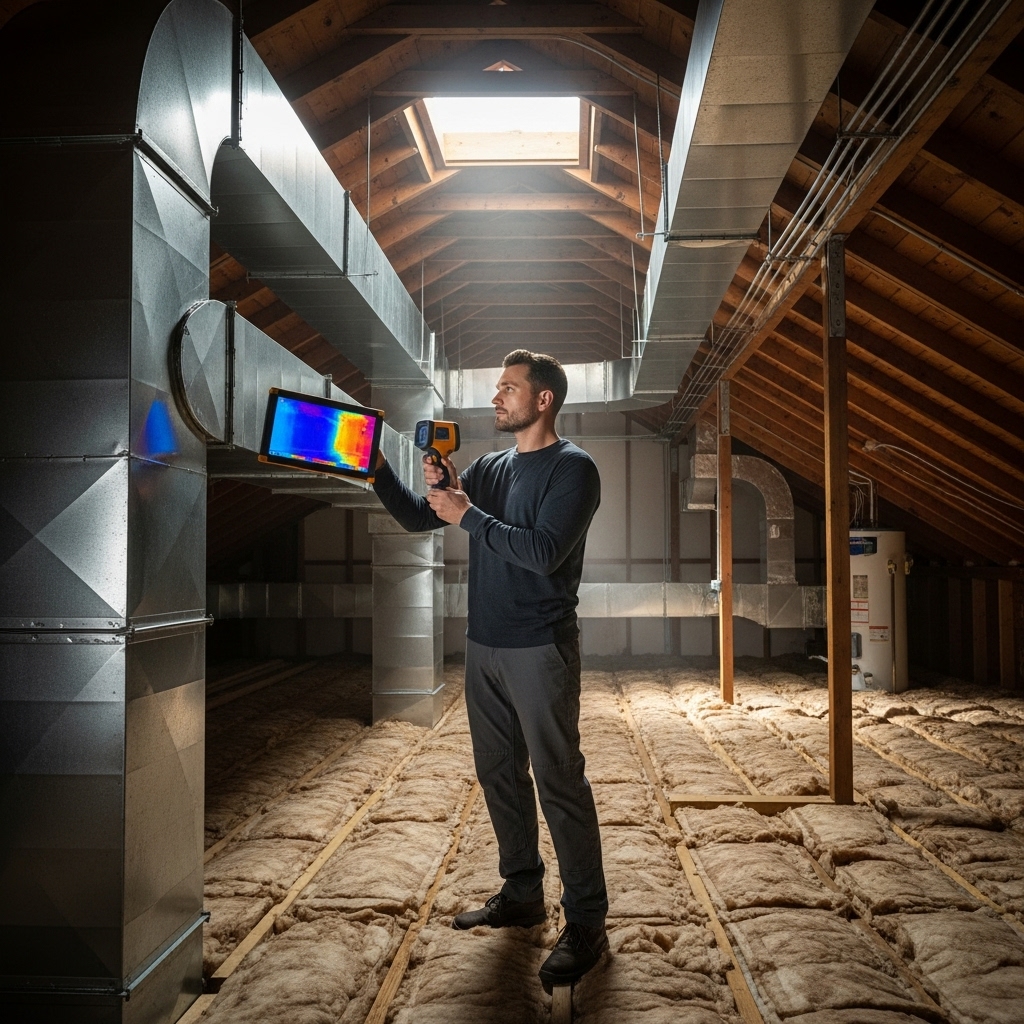
Older ducts, or those disturbed during renovations, can leak conditioned air into attics or crawl spaces. The symptoms are subtle: higher runtimes, dust, and rooms that never quite match the setpoint. Sealing and insulating ductwork restores delivery, lowers strain on the system, and steadies temperatures throughout the home. It is one of those invisible fixes you feel immediately.
Filter neglect and the slow drift into mediocrity
Filters do their quiet work until they do not. Clogged filters restrict airflow, reduce cooling capacity, and let particulates bypass into ducts. In homes with pets or high activity, monthly checks catch problems early. Selecting the right filter matters too; high resistance models can choke smaller systems. The sweet spot is effective filtration without strangling air movement.
Control systems that promise too much
Smart controls are powerful, but complexity can backfire. Overly aggressive setbacks or conflicting schedules can cause the system to chase itself. The cure is simplification: clear scenes for morning, day, and evening; reasonable temperature bands; and coordination between zones. When controls are intuitive, the home responds smoothly and you stop thinking about it.
None of these issues exist in isolation. A home’s architecture, orientation, and daily use all shape performance. The path to resolution starts with a clear picture of what is happening and why. Once you see the system as a whole—equipment, ducts, controls, and the way rooms are lived in—solutions come into focus.
At the center of long-term reliability is a foundation of well-matched air conditioning. Equipment chosen for the real load of your home, balanced by ductwork that respects each room, and guided by sensible controls will maintain comfort through hot afternoons and foggy mornings alike. When these parts align, the house settles into a quiet, steady rhythm.
Frequently Asked Questions
Here are answers to common questions homeowners ask when symptoms appear or when planning preventive care.
Why is my upstairs always warmer than downstairs?
Warm air rises and collects on upper floors, especially in homes with high ceilings or west-facing glass. Zoning, balanced returns, and variable-speed operation help distribute cooling more evenly. Proper attic insulation and shading also reduce the load that makes upper levels run hot.
What causes short cycling?
Oversized equipment, misread thermostat signals, restricted airflow, or refrigerant issues can all trigger rapid cycling. A professional evaluation checks load sizing, sensor placement, and airflow to identify the root cause and restore longer, steadier runs.
How can I tell if my ducts are leaking?
Signs include dust in unusual places, rooms that lag behind the thermostat, and higher-than-expected runtimes. A duct leakage test quantifies losses and pinpoints locations for sealing. Once sealed, delivery and comfort improve noticeably.
Is it normal for water to appear near my indoor unit?
No. Condensate should drain away quietly. Water often indicates a clogged line or an improperly configured trap. Address it promptly to prevent damage and avoid shutdowns caused by safety switches doing their job.
Do smart thermostats fix uneven temperatures?
They help coordinate zones and schedules, but they cannot overcome poor airflow or duct design. Think of controls as the conductor; they still need a well-tuned orchestra of ducts and equipment to perform.
If your home is showing any of these signs, a focused assessment can restore the calm, quiet ease you expect. Start a conversation about refined air conditioning solutions tailored to your layout and daily routine, and enjoy a summer defined not by troubleshooting but by effortless, reliable comfort.