
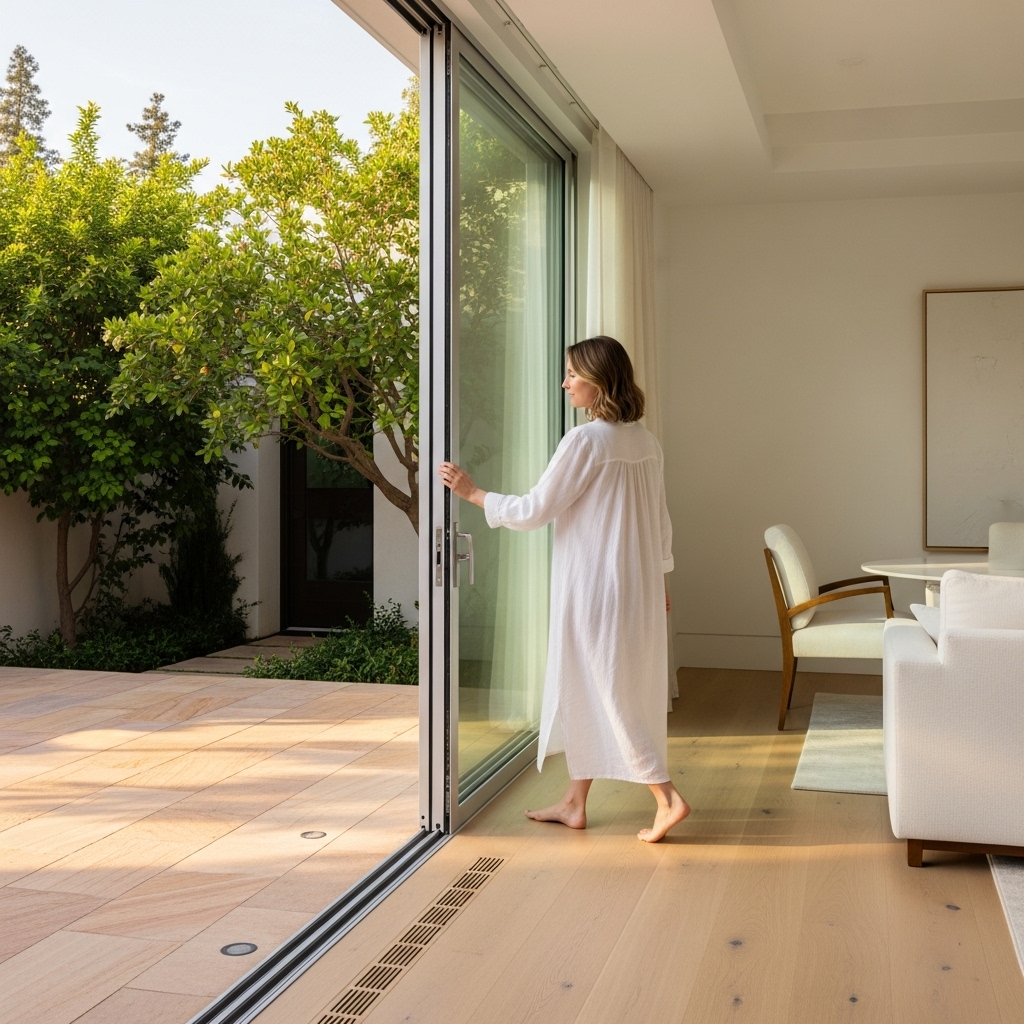
In Beverly Hills, comfort is inseparable from lifestyle. Morning walks under jacaranda shade, midday errands along sunlit streets, and dinners that drift onto terraces all depend on air that feels just right when you step back inside. In a place where architecture ranges from classic Spanish Revival to glassy moderns perched over canyon views, the importance of dependable air conditioning reaches beyond the obvious relief of a hot day. It touches health, productivity, design, and even the rhythm of hospitality that defines so many homes here.
Over the years, I have walked through residences tucked high in the hills and flats south of Wilshire, noticing how the same sunshine can behave differently from block to block. A shaded courtyard can hold morning cool, while a wide great room facing west captures long golden rays that linger well into the evening. Air conditioning, when it is thoughtfully matched to the property, becomes the invisible hand that levels these extremes and protects the calm you feel when you close the door.
From occasional heat to everyday expectation
For decades, many homeowners thought of cooling as an episodic need, something to switch on during a few peak weeks. That assumption no longer holds. Milder winters, longer warm seasons, and the urban heat island effect make consistent cooling a daily reality much of the year. The importance of a reliable system is not that you will need it at every hour, but that it responds gracefully whenever you do—midafternoon while prepping dinner, in a home office after a morning Zoom stack, or at midnight when a bedroom still carries heat from the day.
Health, clarity, and the way air actually feels
Air quality has become a central conversation, and for good reason. From pollen-heavy springs to periods of regional wildfire smoke, we have seen how the atmosphere can shift without much warning. A properly designed system—filtering, dehumidifying, and circulating—turns indoor air into a steady ally. It is not simply about removing particulates; it is about maintaining a sensation of freshness that supports focus, rest, and recovery. If you have ever woken up groggy in a stuffy room, you know the power of air that is properly conditioned.
Architecture and aesthetics preserved
In a city that treasures architectural heritage and design innovation, the importance of systems that integrate elegantly cannot be overstated. Older homes often accommodate ductwork with sensitivity to plaster details and arches, while minimalist builds demand equipment that disappears into the line of the room. The right approach protects finishes and sightlines and makes comfort feel like part of the architecture, not an afterthought pinned on later. This is where collaboration between homeowners, designers, and experienced technicians pays dividends for decades.
Energy responsibility without sacrificing ease
There is a persistent myth that comfort and responsibility are at odds. In practice, modern variable-speed systems prove the opposite. By modulating output to match the real-time load of a home, they cut waste, smooth temperature swings, and reduce wear. When coupled with zoning, you direct cooling to the rooms where life is happening right now and let quieter areas hold at a moderate setpoint. The result is steadier comfort with less energy spent to chase extremes you do not want.
Humidity, preservation, and the quiet work of stability
Even without tropical moisture, pockets of humidity appear indoors—after warm showers, in active kitchens, and during evenings when the marine layer creeps inland. Over time, unstable moisture affects woodwork, art, and fabrics. Air conditioning addresses this in the background, maintaining stability that preserves the tactile experience of the home: doors that close cleanly, cabinetry that keeps its alignment, and textiles that remain crisp. The importance here is as much about quiet preservation as immediate comfort.
Productivity and learning at home
Homes today are more than private retreats; they are offices, studios, classrooms, and gyms. Clear air and even temperatures improve focus and stamina. Whether a teenager is studying on a sunny afternoon, a parent is hosting back-to-back calls, or someone is rehearsing in a music room, the quality of the environment shapes performance. The right system removes distractions, letting people lean into their work without the undertow of heat or stuffiness.
Quiet comfort that honors neighborhood calm
Sound is part of comfort, especially at night. Beverly Hills neighborhoods value tranquility that lets you hear the breeze move through palms or the gentle clink of glass at an outdoor table. Contemporary systems achieve impressive quiet both inside and outside when installed with attention to placement and vibration isolation. The importance of that hush becomes clear the first night you fall asleep without a single mechanical intrusion.
Smart controls that put you in sync with your day
Technology is most useful when it recedes from view. Intuitive controls learn your preferences, anticipate your arrival, and adjust zones before you notice a change. Scenes for morning, day, and evening can set temperatures automatically, while remote access makes it simple to ready the house if you are returning early or hosting guests. The best controls foster a set-and-forget confidence, freeing you to notice the home, not the thermostat.
A dependable backbone of modern air conditioning is what enables these smart layers to shine. When the equipment, duct design, and controls work as one, the experience is cohesive: quick to respond, gentle in operation, and tuned precisely to your layout and lifestyle.
Resilience during heat waves and poor air days
Heat events test both buildings and routines. Interiors soak up warmth and release it slowly, turning bedtime into a restless stretch if you cannot pull temperatures down. Likewise, smoky or dusty days ask a lot of filtration and circulation. A system sized to your home’s realities brings spaces back to baseline efficiently, so mornings feel renewed even during challenging stretches.
Guest-ready environments and special-use spaces
Pool houses, detached studios, and guest suites are common here, each with its own rhythm. Independent zones let these areas breathe on their schedule without forcing the rest of the home to follow suit. Guests enjoy autonomy, artists enjoy a crisp studio when inspiration hits, and you maintain control without extra noise or energy use.
Maintenance that protects comfort
We tend to think of maintenance as a checklist, but its real importance is the prevention of disruptions. Clean filters, clear drains, and tuned refrigerant levels keep performance steady. A small adjustment in spring can mean the difference between a flawless July evening and a rushed repair call. The best systems are backed by predictable care that stays ahead of the calendar.
Aligning comfort with values
Many homeowners want their comfort to align with environmental goals. High-efficiency equipment, conscientious refrigerants, and smart operation make that alignment real. Pair shading strategies with indoor efficiency for a layered approach that feels effortless. Your home breathes easier, and so do you, knowing each day of comfort runs leaner than the last generation of systems allowed.
A lifestyle supported, not interrupted
At their core, homes in Beverly Hills are designed to host. Family dinners expand with friends. Quiet nights turn into spontaneous movie screenings. The importance of air conditioning is that it supports these moments without calling attention to itself. People stay longer, conversations flow, and rooms extend their welcome because the environment is right.
Frequently Asked Questions
Homeowners ask similar questions when deciding how to upgrade or replace equipment. Clear answers help you choose with confidence.
Is air conditioning still necessary in older, well-shaded homes?
Yes. Shade helps, but interiors still accumulate heat from cooking, electronics, and people. A right-sized system ensures evenings and bedrooms feel crisp, even when outdoor temperatures seem mild. It also stabilizes humidity, preserving finishes over time.
Can modern systems integrate with architectural features?
Absolutely. With careful planning, vents, returns, and equipment can blend into classic and contemporary designs. In spaces where ducts are impractical, compact indoor units provide targeted comfort with minimal visual impact.
Do smart thermostats really make a difference?
They do when paired with well-designed systems. Learning schedules, remote access, and zoning coordination reduce energy drift and align comfort with daily routines. The result is a home that anticipates need instead of chasing it.
What about indoor air quality during wildfire season?
High-grade filtration, sealed ducts, and controlled ventilation create a protective envelope. Many homeowners notice fewer symptoms and better sleep even on days when outdoor air feels heavy with particulates.
How long does a typical system last?
Lifespan depends on usage, maintenance, and installation quality. With regular care, many systems provide reliable service for well over a decade. The key is proactive attention so minor wear never becomes a major interruption.
If you are ready to align your home with the calm, clarity, and control that define Beverly Hills living, start with a conversation about air conditioning tailored to your rooms, routines, and design. A thoughtful plan will let your home exhale—cooler, quieter, and fully prepared for the days and nights you want to enjoy.