
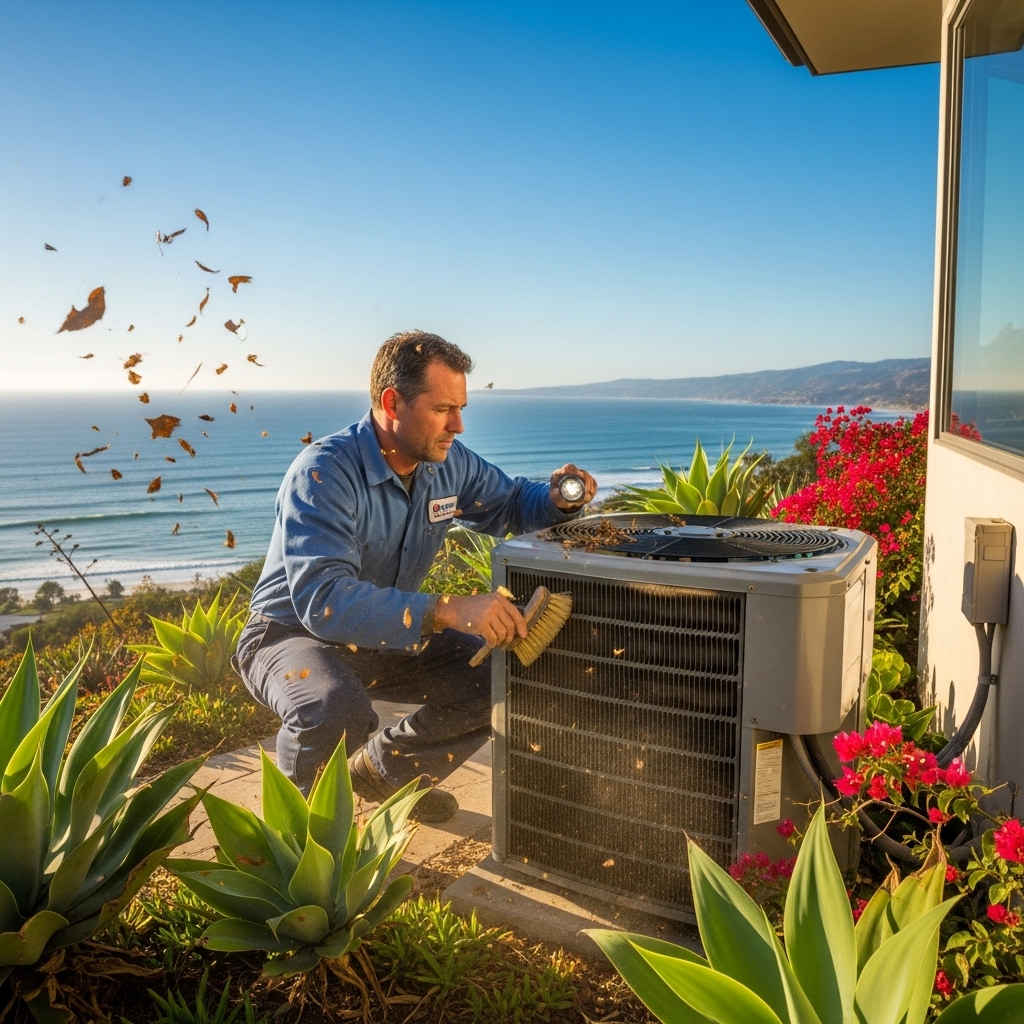
Living and working in Beverly Hills, you quickly learn that air conditioning is not a luxury reserved for peak summer heat; it is a daily partner in comfort, wellness, and peace of mind. Our coastal microclimates can lull you into thinking the ocean keeps everything perfectly mild, yet anyone who has weathered a Santa Ana wind event or a sticky August morning knows how fast conditions shift. Practical air conditioning maintenance, personalized for Beverly Hills’s blend of sea air, canyon dust, and hillside sun exposure, is what keeps homes stable and comfortable year-round. From Point Dume to Beverly Hills Canyon and along Carbon Beach, the right approach begins with a simple truth: regular air maintenance is the foundation for efficiency, reliability, and clean indoor air in our unique environment.
When I step into a Beverly Hills home, I look beyond the thermostat and condenser. I look for signs of salt exposure, wind-driven debris, and indoor habits that shape how a system breathes—pets, windows usually left open, fireplaces used on chilly evenings, and even the layout of the kitchen relative to return air. Practical maintenance starts with the way you live. If your home is steps from the sand, corrosion risk climbs. If you are nestled in the canyon, dust and pollen surge at certain times of year. If you split time between Beverly Hills and somewhere else, your system may sit dormant for weeks, and that has its own maintenance rhythm. Tailoring a schedule and checklist to these realities keeps minor issues from growing into disruptive breakdowns.
The Beverly Hills climate advantage—and challenge
Beverly Hills enjoys dramatic swings between marine-layer mornings and sun-soaked afternoons. The ocean keeps temperatures milder than the valleys, but that same sea air introduces salt, which is corrosive to outdoor equipment. Meanwhile, canyon winds push fine dust into louvers and coils, and wildfire seasons can load filters with ash in a matter of days. Practical maintenance acknowledges this duality. It is not just about when summer starts; it is about how our microclimates behave. That means being proactive before a heat wave, reactive after a wind event, and consistent during quieter months.
Homes perched on bluffs often face direct salt spray; homes a few streets inland encounter less salt but more windborne grit sweeping down from the canyons. Condensers near landscaping may be shaded—which is good for efficiency—but also vulnerable to leaves and seed pods building up. A practical plan accounts for these micro-conditions so your equipment runs cool without straining.
A practical routine that fits Beverly Hills homes
The heart of practical maintenance lies in regular observation. You do not need specialized tools to notice a filter getting dark or a drain line looking damp. What matters is steady attention. Check filters monthly during heavy use and after any smoky or windy episode. Observe the outdoor unit every few weeks: is there a new rust spot, unusual noise at startup, or vegetation creeping within a couple of feet? Indoors, does the supply air feel cool and steady, and is the return grille free of lint and pet hair? These quick observations build intuition, and they guide whether to adjust your routine or call in a technician for a deeper tune-up.
When a professional performs a tune-up, the practical checklist includes cleaning and straightening condenser fins, checking refrigerant pressures against manufacturer specs, verifying temperature splits, securing electrical connections, inspecting capacitors and contactors, flushing or vacuuming the condensate line, and verifying thermostat calibration. In Beverly Hills, we also pay special attention to coil cleanliness and early signs of salt-related pitting. A small touch of anti-corrosion protection in the right place can make a meaningful difference over time.
Filters that keep pace with marine layer and dust
Filters are the first line of protection for your coils and your lungs. Beverly Hills’s coastal humidity and micro-particulates mean a filter that appears clean can still be loaded with fine salts and dust that restrict airflow. The practical approach is to check monthly during the summer and during any period of smoky skies or high winds, holding the filter against light to see how much passes through. If you have pets, run ceiling fans often, or keep windows open to draw in the ocean breeze, consider a more frequent change schedule. The goal is steady airflow, not just a calendar reminder.
For homeowners with allergy concerns or frequent wildfire smoke exposure, higher MERV-rated filters can capture more particulates—but they also restrict airflow if your duct design is marginal. A good local technician will balance filtration goals with system capacity. In older Beverly Hills homes with charming but compact returns, stepping up filter efficiency might require a modest modification to the return plenum to maintain healthy static pressure. Practical maintenance is about finding that sweet spot where air is both clean and freely moving.
Outdoor units in a salt-kissed setting
Salt air is a quiet villain. It does not announce itself with dramatic failures; it settles invisibly, inviting corrosion. For homes with ocean-facing exposure, gentle rinsing of the outdoor coil with fresh water can help. Aim for a careful, low-pressure rinse—never aggressive spraying that bends fins or drives water into the electrical section. Keep landscaping trimmed back at least two to three feet for unobstructed airflow. If your condenser sits under a deck or close to a wall, check that the unit can discharge hot air without recirculating it.
During Santa Ana conditions, fine dust can lodge between fins and slowly restrict heat exchange. After a windy spell, step outside and listen to the system. If you hear a new rattle or detect a surge in fan pitch, it could signal debris contacting the fan blades or a load increase on the motor from a dirty coil. Quick attention can head off bigger issues—this is practical maintenance in action, the kind that prevents a small cleanup from turning into a major repair.
Drains, coils, and indoor comfort
Beverly Hills’s mornings can bring mist and coolness, yet summer afternoons pull moisture from the indoor air as the coil dehumidifies. That moisture has to go somewhere, which is why condensate drains matter. When drains clog, pans overflow and your system can shut down or cause damage. Flushing the line with a manufacturer-approved method and ensuring a proper trap can save a headache. If you notice a musty odor at startup or see water where it does not belong, act quickly. A clog discovered early is easy to fix; a clog that lingers can encourage microbial growth and disrupt comfort.
Evaporator coils deserve regular inspections too, especially in homes with open windows and pets. Fine hair and dust can bypass filters, adhering to coil fins and forming a mat that insulates the coil from the air it needs to condition. Professional coil cleaning, performed with the right chemistry and technique, restores efficiency. Again, in Beverly Hills, the gentle approach wins—protecting both equipment and indoor finishes.
Thermostats, zones, and everyday comfort
Practical maintenance is not just mechanical; it is behavioral. If your home has multiple zones, establish temperature setpoints that match your habits. Avoid aggressive setbacks that force long recovery times in late afternoon heat. A smart thermostat can learn your patterns, but it still benefits from seasonal touches—slightly earlier cooling on days with projected high heat or smoke so the home is sealed and conditioned before conditions worsen. Consistency is key. In Beverly Hills’s evening cool, set a moderate temperature that prevents humidity from creeping back in while avoiding unnecessary runtime.
For part-time residents, remote access to your system helps you prepare the home before you arrive. Monitor indoor temperature and humidity and schedule gentle pre-cooling rather than abrupt blasts. This care eases the workload on compressors and extends system life, the very essence of practical maintenance.
Air quality and Beverly Hills’s realities
Wildfire smoke, pollen bursts, and salt-laden breezes are part of local life. During smoky periods, keep doors and windows closed, run the system in recirculation, and check your filter more often. If you own air cleaners, coordinate their operation with the central system so airflow patterns complement each other. Practical maintenance also means checking that supply registers and returns are not blocked by furniture or rugs; on the coast, we love open, airy rooms, but a misplaced sofa can starve a room of cooling and make the system work harder than it needs to.
Sometimes, indoor comfort issues trace to ducts. In older or remodeled homes, ducts may have been extended or reduced without a full redesign, creating hot rooms on sunny sides or cold spots near shaded patios. A practical tune-up includes a quick static pressure check and a walk-through to confirm air distribution. Small balancing adjustments, sealing of obvious leaks, and attention to insulation can transform the feel of the home without major overhauls.
Recognizing early warning signs
Mechanical systems rarely fail without whispers. You might hear a soft click that was not there before, smell a faint electrical odor on startup, or notice the outdoor unit running longer to achieve the same temperature. Beverly Hills’s quiet nights make it easier to catch these changes. If you can, note the conditions: time of day, outdoor temperature, whether windows were open earlier, or if you used the oven for a long stretch. These details help a technician pinpoint the cause and make practical recommendations that fit your routines.
Another sign appears on the utility bill: a subtle uptick in energy use even when weather has been similar. In a coastal home, that can indicate a dirty coil, declining capacitor, or airflow restriction. You do not need to diagnose it yourself; your role is to notice and act promptly so the fix is simple and effective.
Why professional support is part of practicality
While much of maintenance is observational, some tasks require instruments and expertise. A targeted professional visit each year—timed before peak heat—is smart insurance. It validates refrigerant levels, confirms electrical integrity, tests safety devices, and catches salt or dust wear early. For many Beverly Hills homes, a mid-season check after the windiest period of the year adds further protection. There is a balance: do what you can consistently, and bring in a seasoned eye when the calendar or weather calls for it.
Some homeowners ask whether a new system removes the need for maintenance. The answer is no. New equipment still breathes the same salty, dusty air and still depends on clean coils, healthy drains, and steady airflow. If anything, newer high-efficiency systems can be more sensitive to neglect because they run tighter tolerances. Practicality means embracing a rhythm of care from day one.
Somewhere in the middle of your annual cycle, it helps to set aside time for a deeper review, especially after wind events or extended guests that raised indoor activity. This is a perfect moment to schedule professional air maintenance, ensuring filters, coils, drains, and electrical components receive focused attention before late-summer demand builds again.
Making maintenance second nature
The best routines are the ones that fit easily into life. Tie a filter check to a familiar date, like the start of each month or the day you water a particular garden bed. Walk past the condenser when you take out the recycling, giving it a quick glance for leaves or rust. Glance at supply registers when you vacuum. These tiny habits, repeated, make breakdowns rare and comfort steady. In Beverly Hills, where days move at the gentle tempo of the tides, this approach feels natural: small, mindful steps that preserve a calm, cool home.
Frequently Asked Questions
How often should I replace my AC filter in a Beverly Hills home?
Check monthly and replace as needed, especially during summer, smoky periods, or after wind events. Beachfront homes, homes with pets, and homes where windows stay open often require more frequent changes. The goal is to keep airflow strong and indoor air clean, rather than to follow a rigid calendar interval.
What does salt air actually do to my air conditioner?
Salt promotes corrosion, especially on outdoor coils, fasteners, and metal housings. Over time, this can lead to reduced heat transfer, leaks, and noise. Gentle fresh-water rinses, adequate clearance, and timely professional inspections help minimize the impact and extend equipment life.
Are there signs my system is struggling even if it still cools?
Longer run times, new vibrations or hums, musty odors at startup, and uneven temperatures are all early indicators. If you see a jump in energy use without a corresponding heat wave, that is another clue. Addressing these signs early keeps fixes simple and affordable in terms of time and disruption.
Should I leave windows open to let in ocean air while the AC runs?
It is best to choose one or the other. Open windows invite moisture and particulates that can strain the system. If you enjoy the breeze in the morning, consider closing windows and starting the AC earlier in the day before the heat builds. This keeps the home comfortable without forcing the system into long recoveries.
What is the safest way to clean my outdoor condenser?
Turn off power at the service disconnect, remove surface debris by hand, and use a gentle, low-pressure fresh-water rinse from the inside out if possible. Avoid bending fins or saturating electrical components. For deeper cleaning, or if corrosion is present, schedule a professional service to protect the coil and finishes.
How do wildfire smoke events change my maintenance plan?
During smoke events, keep doors and windows closed and run the system in recirculation. Check filters more frequently and consider a proactive replacement once skies clear. Inspect the outdoor unit for ash buildup as well, and have a technician evaluate coil cleanliness if performance seems diminished.
Can smart thermostats reduce maintenance needs?
They help with scheduling and awareness—some can alert you to longer run times or filter change intervals—but they do not replace physical maintenance. Clean filters, clear drains, and coil care remain essential. A smart thermostat is most effective when combined with a practical, hands-on routine.
Is a mid-season tune-up worth it in Beverly Hills?
Yes, especially after periods of high winds or smoke. A mid-season check can restore peak efficiency, address salt and dust effects, and catch wear before late-summer heat puts maximum demand on the system. This extra attention often translates to quieter operation and steadier comfort.
If you are ready to make comfort effortless, now is the time to schedule thoughtful, locally informed care for your system. Book your professional air maintenance and enjoy a Beverly Hills home that stays cool, quiet, and clean no matter what the forecast brings.