
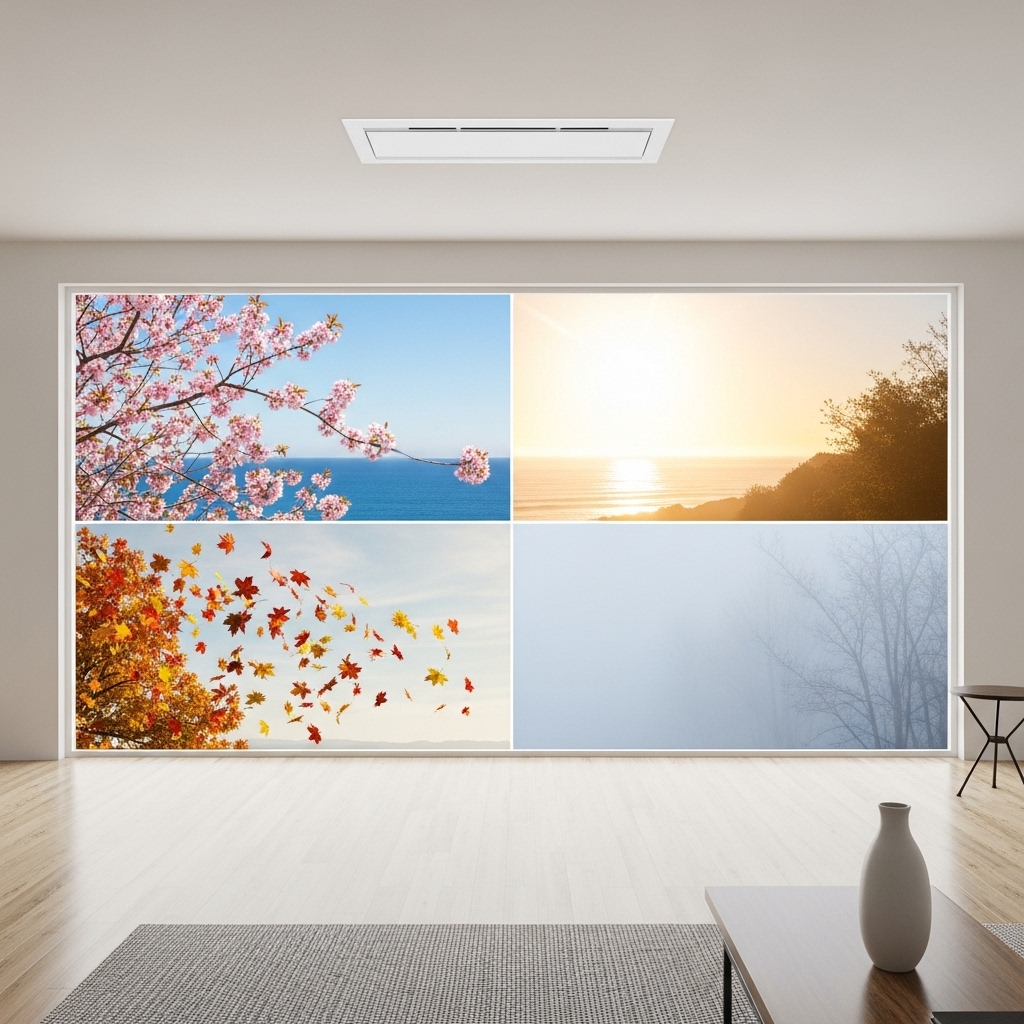
Reading the Seasons the Beverly Hills Way
In Beverly Hills, seasons are subtle but powerful. We move from cool, misty mornings to bright, dry afternoons; from the hush of June marine layers to the buzz of late-summer heat; and into the crisp, wind-driven days of fall when the Santa Anas gather speed over the canyons. Your ducts ride along with all of it, channeling comfort from equipment to rooms. Thinking about duct replacement through a seasonal lens turns a single project into a strategy: you fine-tune timing, choose materials that fit the environment, and prepare for the hardest days before they arrive. Beverly Hills’s calendar is your friend if you know how to read it.
Every neighborhood has its microclimate. Point Dume gets ocean breezes that are generous and salty. Beverly Hills Canyon warms fast and cools slow, with nights that can surprise you. Broad Beach brings glare and humidity in equal measure. Let the patterns of your specific street—where the afternoon sun falls, when the fog lifts—guide decisions about layout, insulation, and even register placement. A seasonal perspective acknowledges that what feels good in March isn’t exactly what your home needs in September.
Spring: The Planning Season
Spring is Beverly Hills’s sweet spot for planning. Temperatures are moderate, trades are available, and the home’s heating and cooling demands are low enough that you can think without the pressure of an active heat wave or a cold snap. Use this time to evaluate how your current ducts behave: Which rooms lag behind? Where does noise show up? Does the system struggle in the late afternoon as sun pushes through west-facing windows? This reflection leads to a design that addresses root causes rather than symptoms.
Spring is also ideal for coordination. If you’re considering attic insulation improvements or upgrading to a smart thermostat, bundle them with duct replacement. A combined plan minimizes disruption and ensures each improvement supports the others. Permits and inspections often move more quickly in spring as well, smoothing the path from concept to completion.
Summer: Prepare for Heat and Humidity
By early summer, canyon homes hold heat, and coastal cottages see humidity settle in at night. If replacement is on the schedule, early summer is still workable, but preparation is key. Map duct routes to avoid hot roof decks and tight bends that add friction. Choose insulation values that protect cool air as it traverses warm attics. Pay special attention to return sizing; summer exposes shallow returns mercilessly, and you’ll hear it as rush and whine when the system ramps up in the afternoon.
For homes with expansive glass, consider diffuser styles that throw air across the panes without drafts. Pre-cooling during the late morning can reduce the peak load later, and ducts designed for smooth, quiet delivery keep the house feeling serene even when the sun is intent on doing the opposite. If you start late, set realistic expectations: the home will remain livable during work with good staging, but finishing before the deepest heat brings obvious benefits.
Fall: The Season of Winds and Smoke
Fall is the time when Beverly Hills’s duct systems earn their keep. Santa Ana winds move dust into every gap, and wildfire smoke can arrive with little warning. If you replaced ducts earlier in the year, fall is when you notice the difference—tight seals keep unfiltered air from slipping in, and returns designed for easy filter access support frequent changes when the air outside is compromised. If you are planning replacement in fall, build in a filtration strategy: deeper media where possible, and a return path that breathes without noise even with higher resistance filters.
A practical fall tip is to walk the home on a windy day and listen. Doors that move slightly or whistling at a hallway suggest pressure imbalances. The fix may be as simple as a transfer grille or a subtle return adjustment, and addressing it before the windiest weeks keeps the interior calm. Fall replacements also benefit from cooler attics, making work more comfortable and efficient for crews.
Winter: Quiet, Steady Comfort
Winter in Beverly Hills brings cool nights and damp mornings. It’s a season that rewards steady, gentle heating and well-insulated ducts that retain warmth as air moves through chilly attics. If replacement lands in winter, make sure boots at the ceiling plane are insulated and sealed; this eliminates cold rings around grilles and the faint drafts that can bother sensitive sleepers. Winter is also a good time to evaluate return location in relation to bedrooms, ensuring quiet operation during the longest heating cycles.
Heaters run differently than air conditioners, and replacement is your chance to tune for both. The same ducts that quietly supply cool air across a room in July should deliver warmth without stratification in January. Diffusers that can be adjusted seasonally help, and balancing performed during commissioning ensures the system behaves in both modes.
Designing With Seasons in Mind
Seasonal thinking affects layout inside rooms as well. West-facing living areas need a stronger afternoon presence; bedrooms benefit from gentler, more diffuse airflow for sleep. In spring and fall, when windows are often open, returns placed away from doors reduce drafts. In summer, supplies that throw across glass limit radiant heat’s impact without creating cold spots. A replacement designed with these patterns in mind feels smarter every day of the year.
Materials take on seasonal meaning too. Near the coast, corrosion-resistant fittings and hangers keep hardware looking new longer. In canyons, where dust is a frequent guest, sealed connections and accessible filtration help interiors recover quickly after windy days. Insulation values that make sense on paper become felt benefits when fog cools a roof deck and your ducts keep supply air stable end to end.
Scheduling and Living Through the Work
There’s a graceful way to live through a duct project. Aim for days when you can have windows open if needed, or plan tasks around quieter household hours. Good crews stage work to minimize disruption, keeping access tidy and daily life steady. If replacement runs during a hot spell, temporary fans and light pre-cooling keep rooms manageable. In the chill of winter, space heaters by day and careful sequencing limit discomfort. The right plan acknowledges your routines and keeps the home feeling like a home, not a jobsite.
Permitting and inspections weave into the schedule as well. Filing ahead and confirming requirements for attic pathways, clearances, and seismic details avoids delays. Beverly Hills inspectors appreciate order; a clean, well-labeled system with obvious access earns quick approvals, and that preparation starts in the planning season.
Mid-Project Decisions With Seasonal Payoff
Many of the smartest choices surface midstream. You might shift a return from a bright hallway to a shaded niche after noticing how afternoon light heats the wall. A diffuser change can tame a draft over a sofa that appears only when the evening breeze kicks up. These are decisions you can only make with your home’s seasons in mind. When you’re halfway through, pause to ask how the house feels morning versus afternoon, summer versus winter. If comprehensive duct replacement is underway, this is your chance to refine details that will pay dividends year-round.
Even in the best plans, surprises arise—an unexpected beam, a narrow joist bay, a route that looks elegant on paper but pinches in reality. Staying open to small reroutes and component swaps keeps the project aligned with the seasonal intent: quiet in winter nights, vigor on summer afternoons, resilience during windy falls.
Preparing for Future Technology
Seasonal performance improves further when ducts are ready for what’s next. Heat pumps pair beautifully with tight, right-sized duct systems, offering efficient heating and cooling across seasons. If you anticipate a future upgrade, replace ducts with generous returns, smooth transitions, and space for deeper filters. Zoning is another upgrade that benefits from forward thinking: a sun-washed great room and a shaded bedroom wing rarely agree on temperature, and ducts designed to accommodate dampers and sensors make seasonal adjustments effortless.
Smart controls add a final layer. Remote sensors placed in seasonally sensitive rooms—an ocean-side bedroom that cools quickly at night, a south-facing office that warms in the afternoon—help the system respond to reality, not just a hallway thermostat. Ducts that deliver quietly and evenly give those controls something valuable to work with.
The Human Side of Seasonal Comfort
We live seasonally too. Morning coffee on a cool patio, summer dinners with the slider half open, movie nights when fog wraps the house and you want warmth without noise—duct design should support those rituals. Replacement is your chance to craft that support intentionally. A gentle bedroom supply means better sleep. A silent return near a reading corner means you hear pages turning instead of airflow. Seen this way, seasonal advice is less about charts and more about the texture of daily life in Beverly Hills.
Families with variable schedules benefit from systems that shift gracefully. If some rooms are empty until weekends, zoning or balancing can reduce conditioning there during the week, then ramp quietly when guests arrive. Seasonal flexibility is built into the ductwork as much as the thermostat program.
Frequently Asked Questions
Q: Which season is best for duct replacement in Beverly Hills? A: Spring and fall are ideal due to mild temperatures and easier scheduling, but a well-planned project can succeed in any season with the right staging and coordination.
Q: How do seasons affect duct materials and design? A: Summer heat and winter damp challenge insulation and boots; fall winds and smoke test sealing and filtration. Materials and layouts chosen with these stressors in mind perform better year-round.
Q: Will new ducts help during wildfire smoke events? A: Yes. Sealed ducts and accessible, effective filtration reduce infiltration from attics and crawlspaces, keeping indoor air clearer when outdoor conditions are poor.
Q: Can I live in the house during replacement? A: Absolutely. Most work occurs in attics and crawlspaces. With thoughtful scheduling and good communication, daily routines continue with minimal disruption in any season.
Q: Do I need to change grilles and diffusers too? A: Not always, but seasonal comfort often improves with diffuser styles that match room use—gentle patterns in bedrooms, stronger throws for sunny living areas.
Q: How can I prepare for future heat pump upgrades? A: Replace ducts with generous returns, smooth transitions, and room for deeper filters. These features support efficient, quiet operation across seasons.
Set Your Home Up for Every Season
Beverly Hills’s seasons may be subtle, but your comfort shouldn’t be. Plan and execute upgrades with the calendar in mind, and your home will feel steady in June fog, July heat, October winds, and January chill alike. When you are ready to map a plan that turns seasons into strengths, begin with a conversation focused on duct replacement that respects Beverly Hills’s microclimates and your daily rituals.