
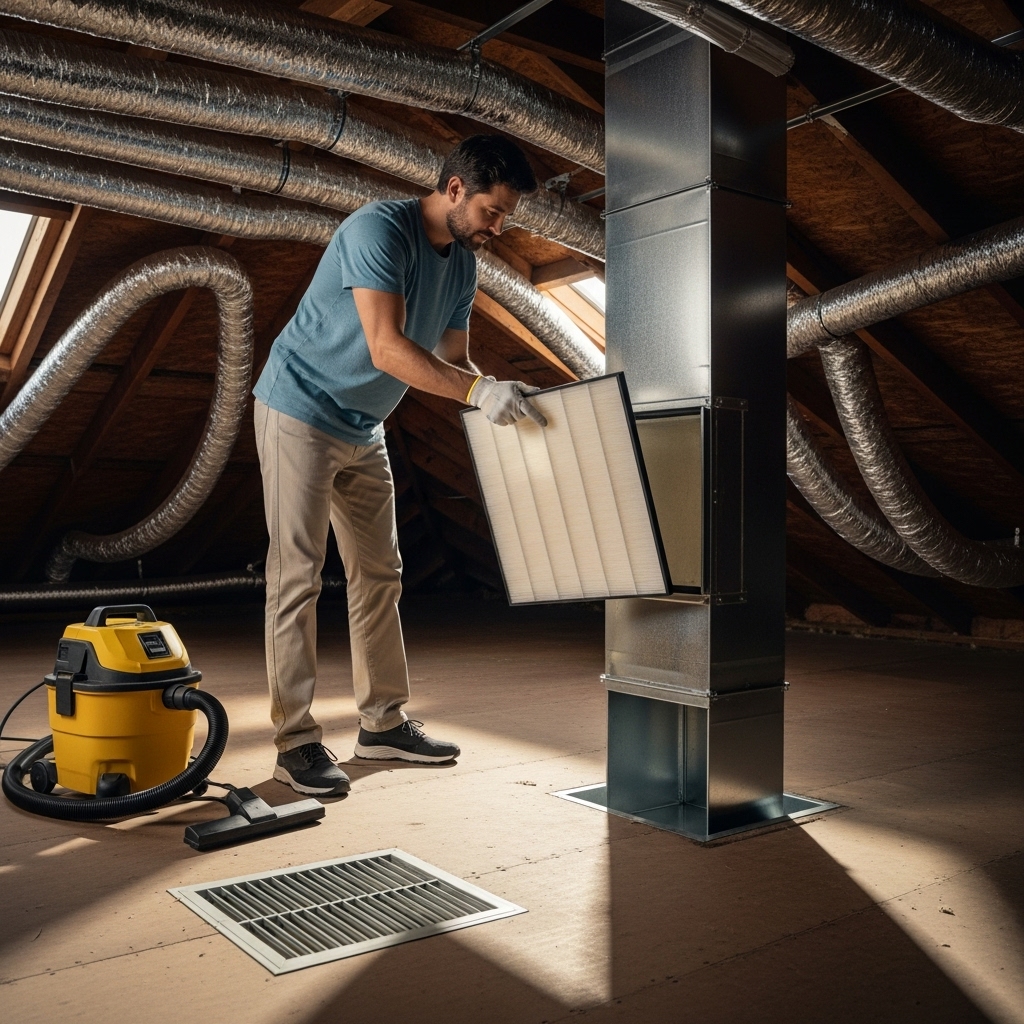
In Beverly Hills, where mornings can begin with a pearly marine layer and afternoons swing toward sun-warmed breezes, home comfort depends on an HVAC system that adapts gracefully. Yet many homeowners overlook the quiet infrastructure that makes comfort possible: the ductwork that threads through attics, crawlspaces, and walls. Good maintenance for those ducts is not just about tidiness. It’s a practical rhythm that responds to Beverly Hills’s coastal air, canyon winds, and seasonal smoke, keeping your home breathing easily day after day. Establishing a maintenance mindset helps you anticipate needs rather than react to problems. In this guide, we’ll look at how Beverly Hills’s environment shapes duct care, what you can do between professional visits, and why periodic professional air duct cleaning anchors a smart maintenance plan.
Understanding Beverly Hills’s maintenance landscape
Beverly Hills’s beauty is dynamic. Some days a sea breeze pushes cool, salty air across the coastline; on others, canyon winds pour down from the hills carrying dry air and bits of vegetation. These shifts change what enters your home each time doors open or windows tilt out. Salt aerosol can settle on metal and attract moisture; pollen and fine organics hitch rides on the wind; and during fire season, soot can permeate even a well-sealed home. Over time, these inputs build a layered residue along the inner walls of ducts and around registers and returns. Maintenance is about listening to that reality and creating a routine that acknowledges what your home experiences throughout the year.
The layout of many Beverly Hills homes adds another dimension. Long runs to reach rooms with ocean views, split-level designs with hidden chases, and combinations of rigid and flexible ducts are common. When runs are longer, small inefficiencies multiply. Any dust film, kink in flex duct, or minor leak becomes more consequential because the system has farther to push air. A clean, tight duct system helps air arrive where it’s needed without the blower working overtime, reducing noise and improving comfort.
Maintenance goals: protect health, comfort, and equipment
Before diving into specific tasks, it helps to define goals. First, protect indoor air quality so your home feels as good as it looks. Second, keep airflow balanced so rooms maintain stable temperatures. Third, safeguard equipment by reducing strain that leads to premature wear. These goals align naturally with a maintenance plan that includes attention to filters, registers and returns, duct integrity, and periodic professional cleaning that resets the system.
When ducts are clean, filters capture fresh contaminants efficiently instead of acting as the primary dust trap for old residue. Registers stay free of the fuzzy buildup that can break free and become airborne. Blowers turn more slowly for the same results, and the evaporator coil remains clean longer. All of these are simple outcomes that add up to a home that runs quieter and feels fresher.
Setting a Beverly Hills-smart maintenance schedule
Beverly Hills homes thrive on a schedule that mirrors local rhythms. After long stretches of marine layer, inspect registers and returns for clingy dust that may indicate moisture-assisted buildup in ducts. Following Santa Ana wind events, check for increased dust patterns around vents and consider moving up a cleaning. If your household includes pets, young children, or elderly family members—groups more sensitive to indoor air changes—tighten the schedule further. Aligning duct maintenance with seasonal HVAC service is efficient: pair a thorough cleaning every few years with annual or semi-annual system checkups, and add ad hoc cleaning after remodeling or smoke exposure.
Vacation properties and second homes have special needs. If a home sits closed for stretches, dust settles undisturbed and can absorb odors. Before peak-use periods—summer gatherings, holiday stays—an inspection and cleaning can restore a fresh baseline so guests arrive to clean, neutral air.
What homeowners can do between cleanings
Even small habits make a measurable difference. Keep furniture and rugs clear of supply registers so air moves freely; resistance at the grille encourages dust to drop out upstream. Vacuum around returns where lint loves to settle, because that fluffy halo is both a cosmetic issue and a clue that the system is drawing in debris. Monitor humidity with a basic sensor; in coastal zones, even a few percentage points more moisture can make dust behave stickier, increasing the value of scheduled cleaning. When the kitchen is busy or showers run long, use exhaust fans generously to offload moisture and cooking byproducts before they enter the return path. Finally, replace filters on time, selecting models suited to your system’s capacity so you don’t unintentionally choke airflow.
Homeowners can also keep an eye on attic and crawlspace access doors. If they don’t seal tightly, conditioned air can leak, pulling in dusty air from unconditioned spaces. That air then circulates through your home, depositing fine particles on surfaces and inside ducts. Addressing small air leaks complements cleaning by reducing how quickly ducts accumulate debris.
Why professional cleaning is the keystone
Professional duct cleaning is the reset that makes all other maintenance more effective. Over time, even with good habits, a thin film inevitably builds inside ducts. In Beverly Hills, that film often includes a mix of sea salt residue, fine organics from canyon vegetation, and microscopic soot from regional smoke events. Removing it requires controlled negative pressure, agitation tailored to duct type, and high-efficiency filtration so debris doesn’t re-enter living spaces. The result isn’t just visually cleaner registers; it’s smoother airflow, fewer odors at startup, and a noticeable improvement in how evenly rooms condition.
Some homeowners ask whether cleaning could harm their ducts. With the right method and tools, the answer is no. Good providers assess material—rigid metal, lined ductboard, or flex—and select techniques that protect the structure while effectively dislodging buildup. They also clean returns, boots, and grilles, many of which collect surprising amounts of debris. In Beverly Hills’s salty air, attention to metal surfaces and fasteners matters because clean metal resists corrosion better than grime-coated metal.
Coordination with HVAC service
Think of duct cleaning as one piece in a well-choreographed maintenance routine. Pair it with coil cleaning when needed, refrigerant checks, and thermostat calibration so the entire system works in harmony. After a thorough duct cleaning, many homeowners feel compelled to update or right-size their filters. This is a smart move. A filter that was appropriate for dusty ducts may be overly restrictive once the system is clean. Balancing filtration level and airflow prevents your blower from fighting unnecessary resistance, especially in homes with long runs toward ocean-facing rooms.
For zoned systems common in larger Beverly Hills residences, a clean slate helps dampers operate smoothly and thermostats read accurately. Dust on sensors can skew readings, leading to inefficient cycling. Cleaning the duct pathways reduces that interference and helps zoning deliver the room-by-room comfort it was designed to provide.
Responding to wildfire smoke and construction dust
Southern California’s wildfire seasons can send smoke into Beverly Hills even when flames are far away. The particles in smoke are incredibly fine and easily enter returns. They also carry persistent odors that cling to dust. After a smoke event, duct cleaning is one of the most effective steps to restore indoor air quality. Similarly, after remodeling—opening a wall for a new window, refinishing floors, or reworking a kitchen—construction dust finds its way into ducts despite containment measures. Cleaning afterward prevents that dust from becoming a long-term occupant of your air system.
It isn’t only dramatic events that matter. Santa Ana winds can transport considerable dust and pollen in a short period. If you notice unusual grit on windowsills or odors that weren’t present before a wind event, that’s a signal to advance your maintenance timeline. Being responsive keeps small issues from becoming chronic irritations.
Middle-of-the-year tune-ups and the role of cleaning
Mid-year is an ideal time to take stock. After spring blooms and before the peak summer cooling load, consider whether your home would benefit from a reset. If you’ve been adjusting thermostats more often or hearing the system run longer than usual, airflow may be compromised by buildup. A well-executed round of air duct cleaning can restore quiet operation and responsive comfort ahead of the hotter months, when performance matters most. For many families, mid-year is also when guests visit; nothing says “welcome” like crisp, clean indoor air.
Signs your maintenance plan needs attention
Pay attention to patterns. Do you see a gray halo forming around supply registers? That often indicates dust is dropping out of airflow right at the grille. Does the air smell musty after the system starts, but clear after a few minutes? Debris inside ducts is a common culprit. Are rooms with long runs slower to condition than they used to be? Pressure drop from a film of buildup may be to blame. These clues point toward cleaning and, in some cases, sealing small leaks or rebalancing dampers to fine-tune distribution.
Households with pets, busy kitchens, or home gyms may notice faster accumulation on filters. That’s normal, but it also means ducts see more particulate traffic. Doubling down on filter changes is helpful, but don’t let that lull you into delaying cleaning indefinitely. Filters capture what passes through them; they don’t remove what’s already clinging to duct walls upstream.
Working with Beverly Hills-savvy professionals
When interviewing providers, ask how they protect coastal finishes and whether they’ve managed homes with both ocean exposure and canyon dust. The best teams move deliberately, set up containment thoughtfully, and communicate clearly about what they find. They’ll help you integrate cleaning with your HVAC plan rather than treating it as an isolated task. In Beverly Hills, where homes often feature custom details and artful materials, that respect and coordination matter just as much as the technical work.
FAQ
How often should I schedule duct cleaning in Beverly Hills?
Most homes benefit every few years, but coastal conditions, open-window habits, pets, and smoke events often justify more frequent attention. After remodeling or noticeable smoke exposure, move cleaning to the top of your list regardless of the calendar.
Will maintenance reduce energy use?
Yes. Clean ducts lower resistance, letting the blower move air with less effort. Over time, that translates to shorter run times and reduced strain on equipment, which often shows up as energy savings and fewer service calls.
Can I maintain ducts myself?
You can support the system by keeping registers clear, vacuuming around returns, managing humidity, and changing filters on schedule. Professional tools are still needed to remove the film that adheres deeper inside ductwork.
Is duct cleaning safe for flexible ducting?
With the right gentle agitation and controlled suction, yes. Experienced providers select methods that clean effectively without stressing the duct material or joints.
What should I do after a wildfire smoke event?
Replace filters immediately, ventilate with clean outdoor air when conditions allow, and schedule duct cleaning to remove soot and odor-laden dust from the system. This combination restores indoor air more completely than surface cleaning alone.
Beverly Hills homes deserve care that matches their setting—thoughtful, thorough, and tuned to the coast. If your system has been running longer than usual, if startup odors linger, or if you simply want the peace of mind that your home is breathing as easily as possible, consider professional air duct cleaning as the keystone of your maintenance plan. The difference is immediate, and the comfort lasts.